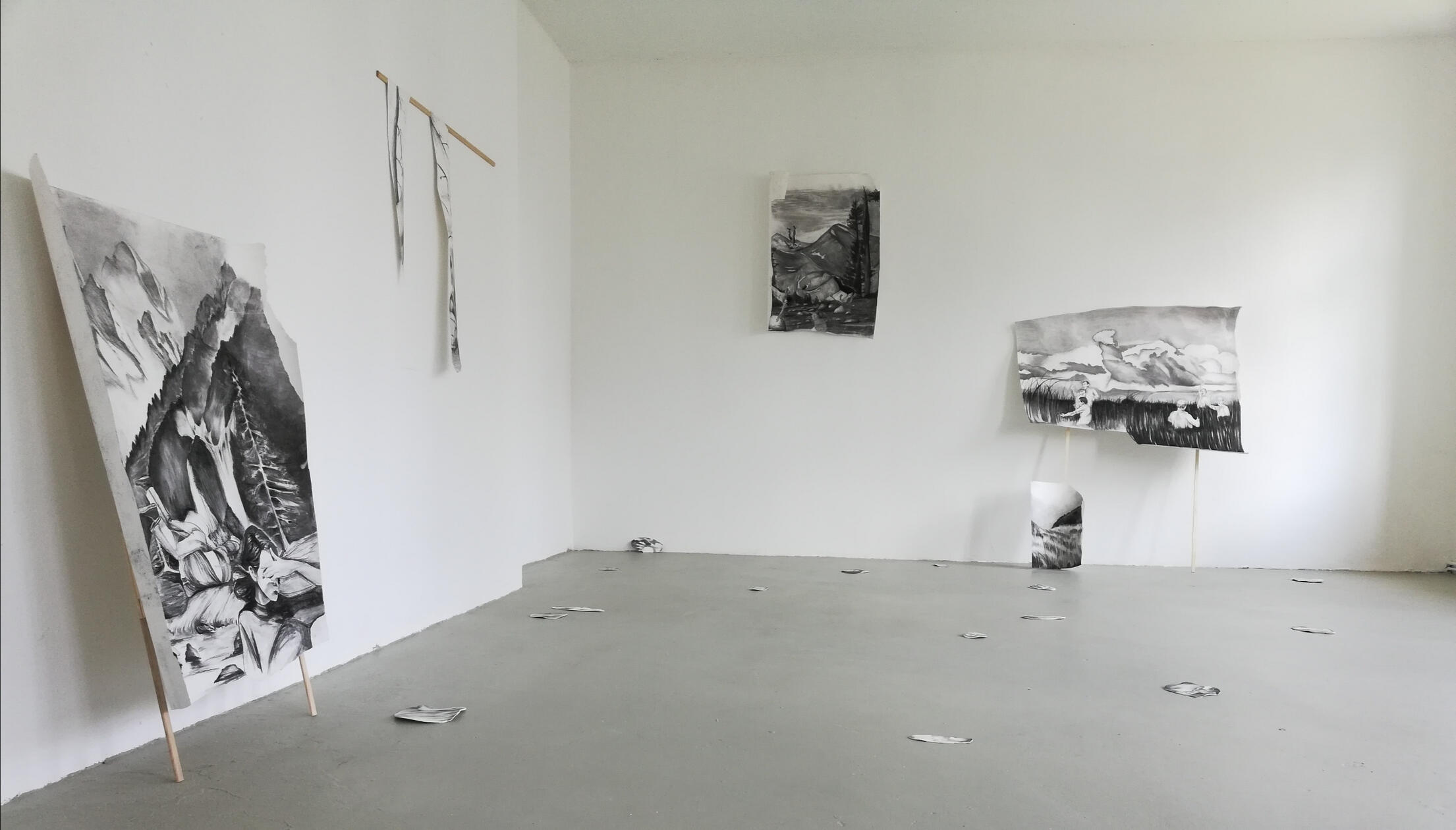
Grosse RegionaleKunst(Zeug)Haus Rapperswil23.11.2025-01.02.2026
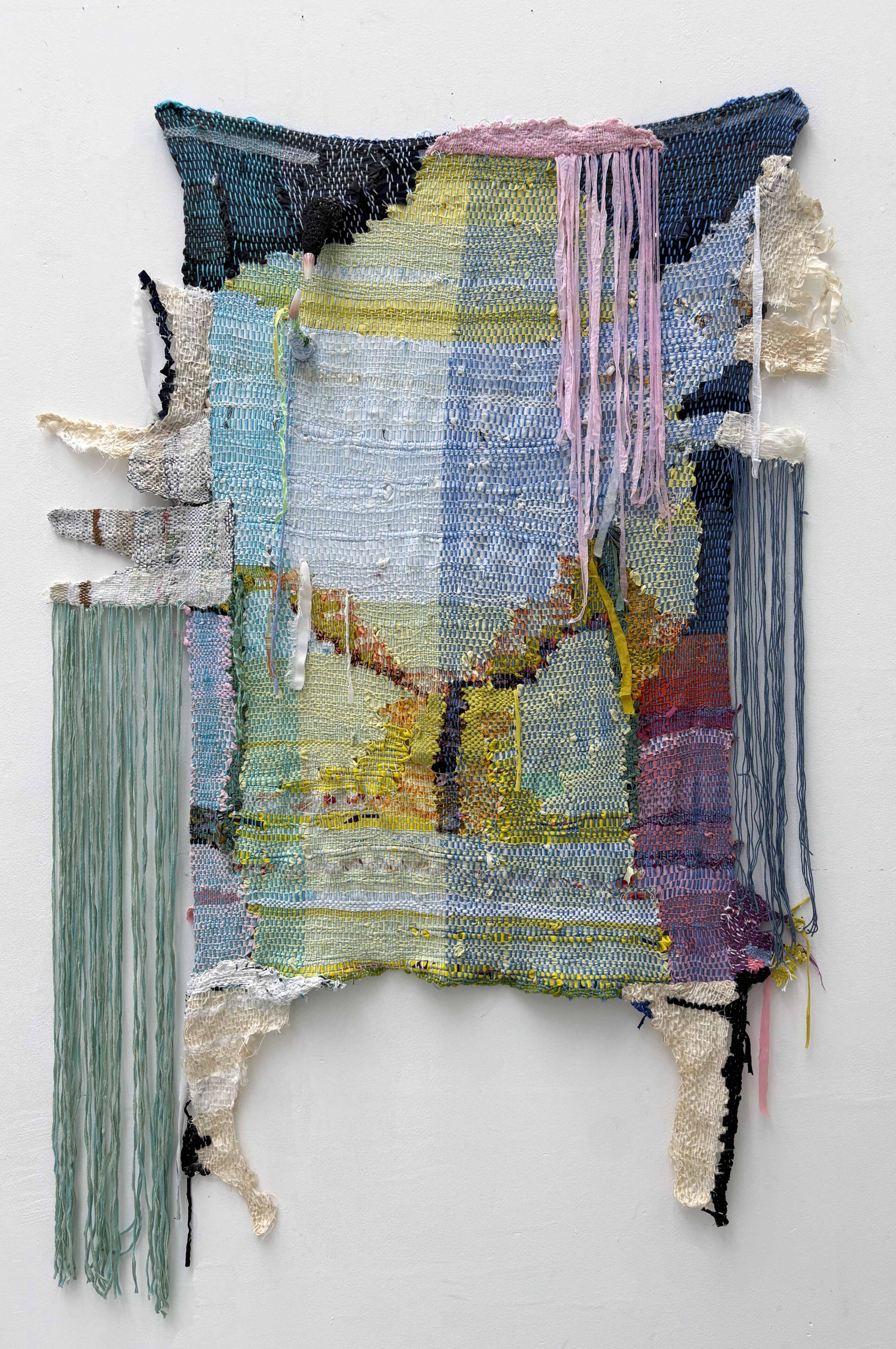
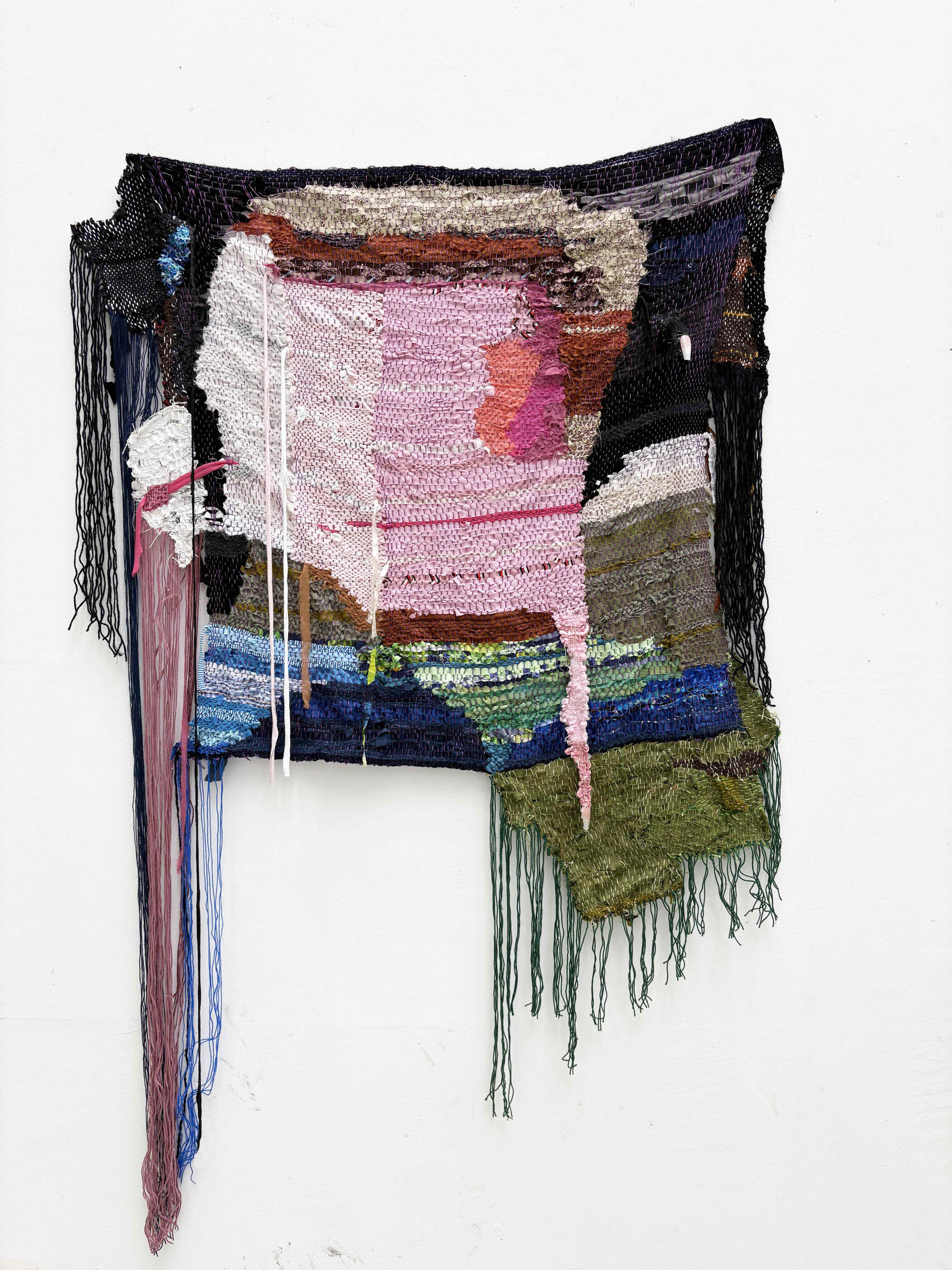
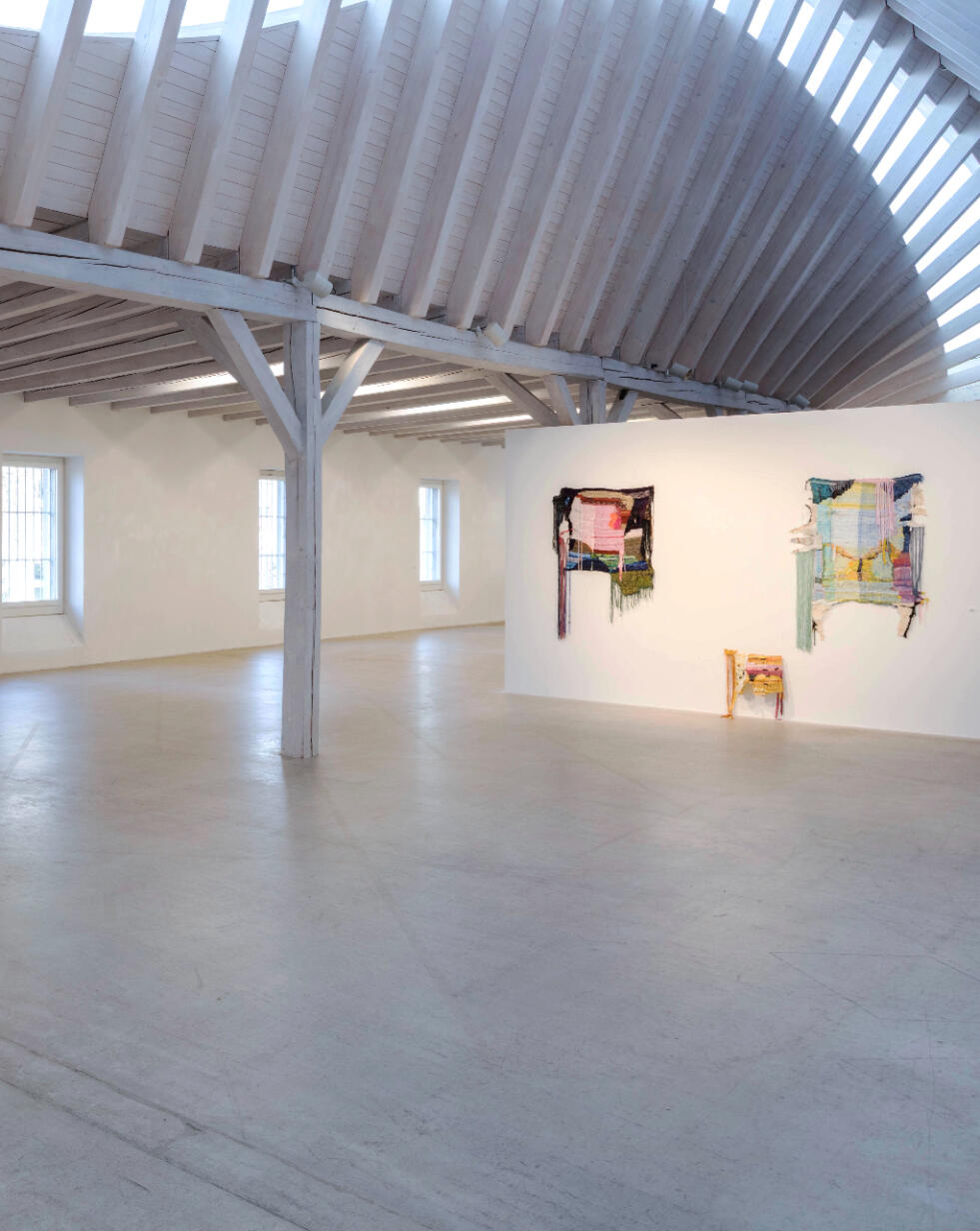
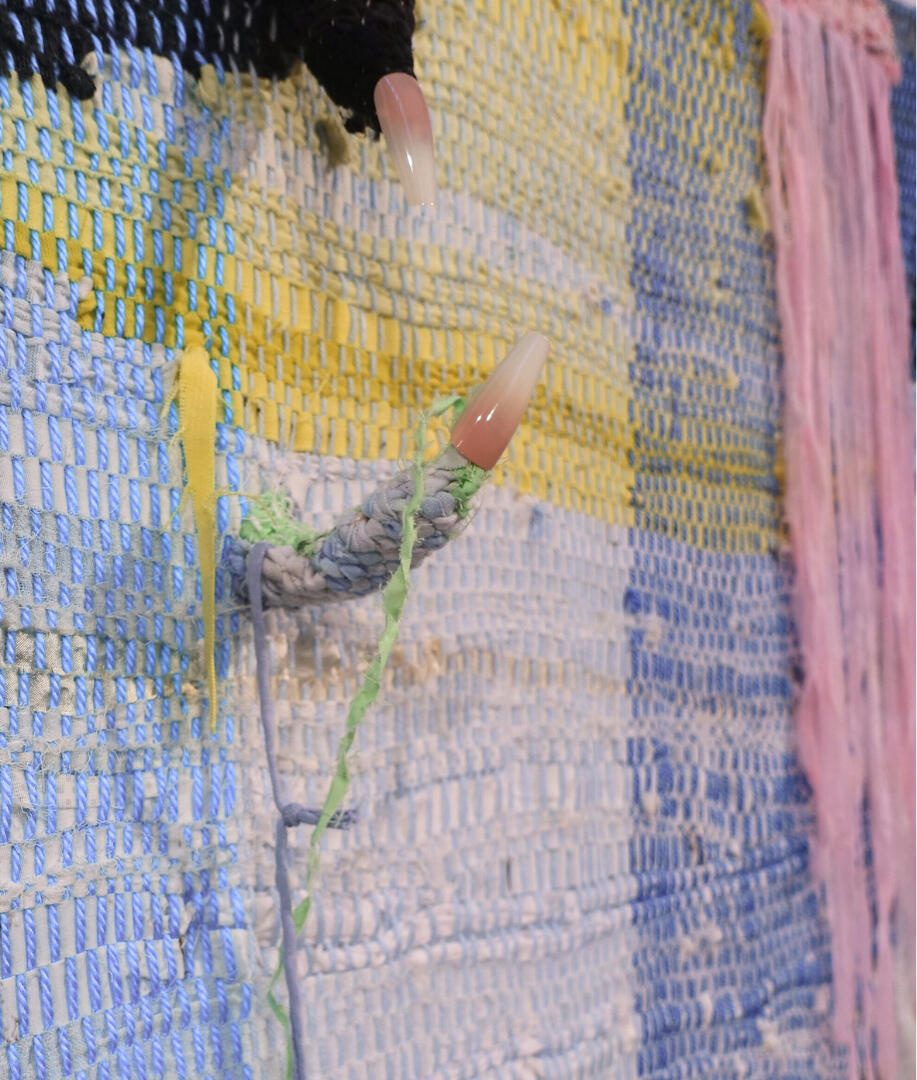
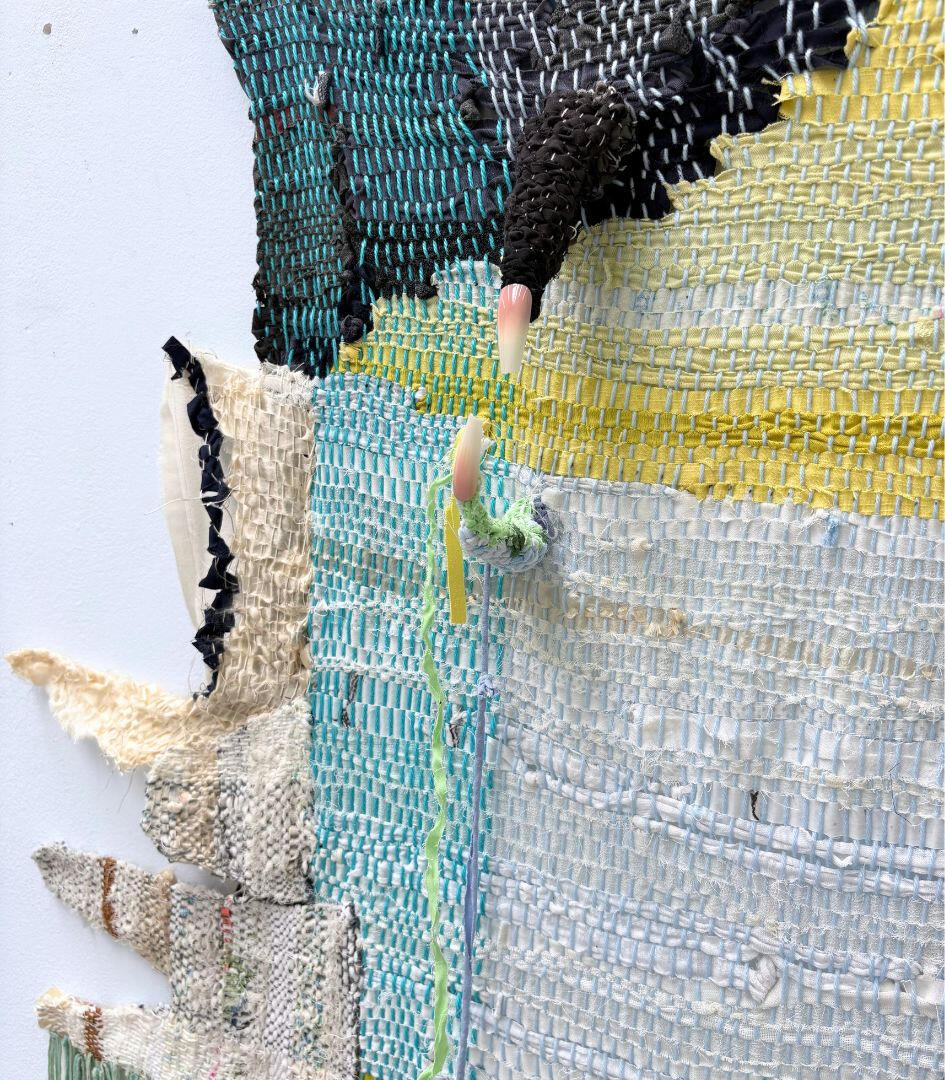
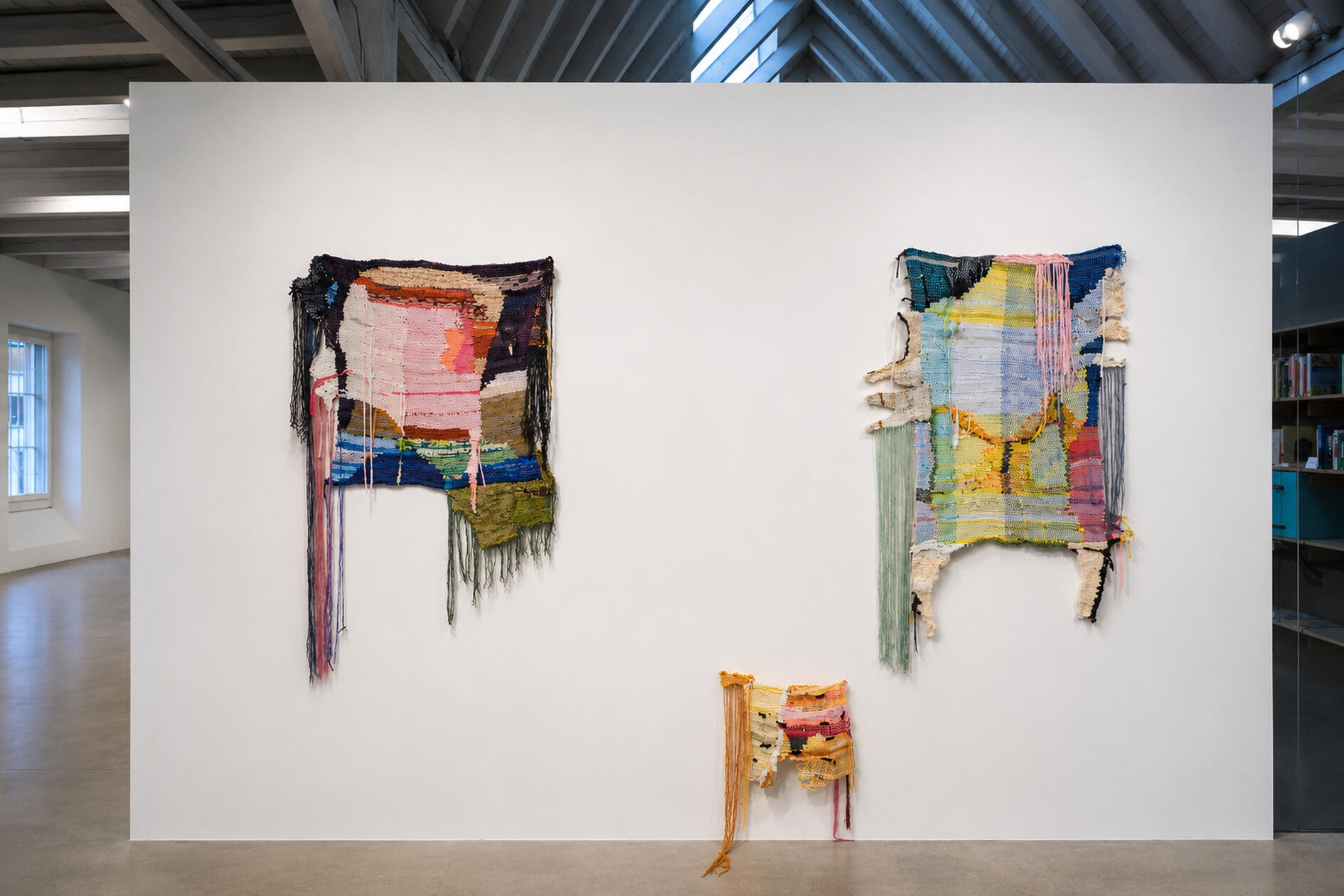
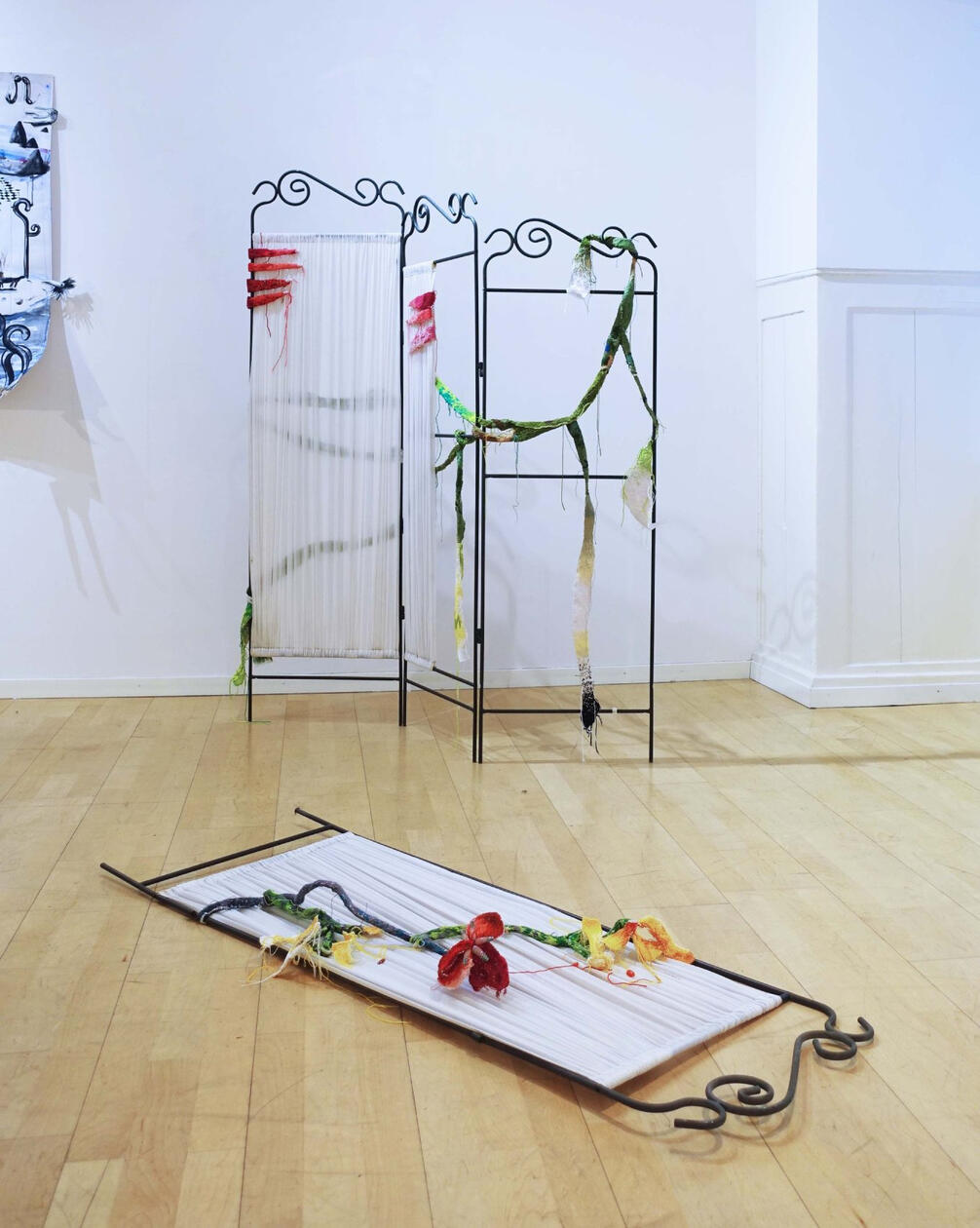
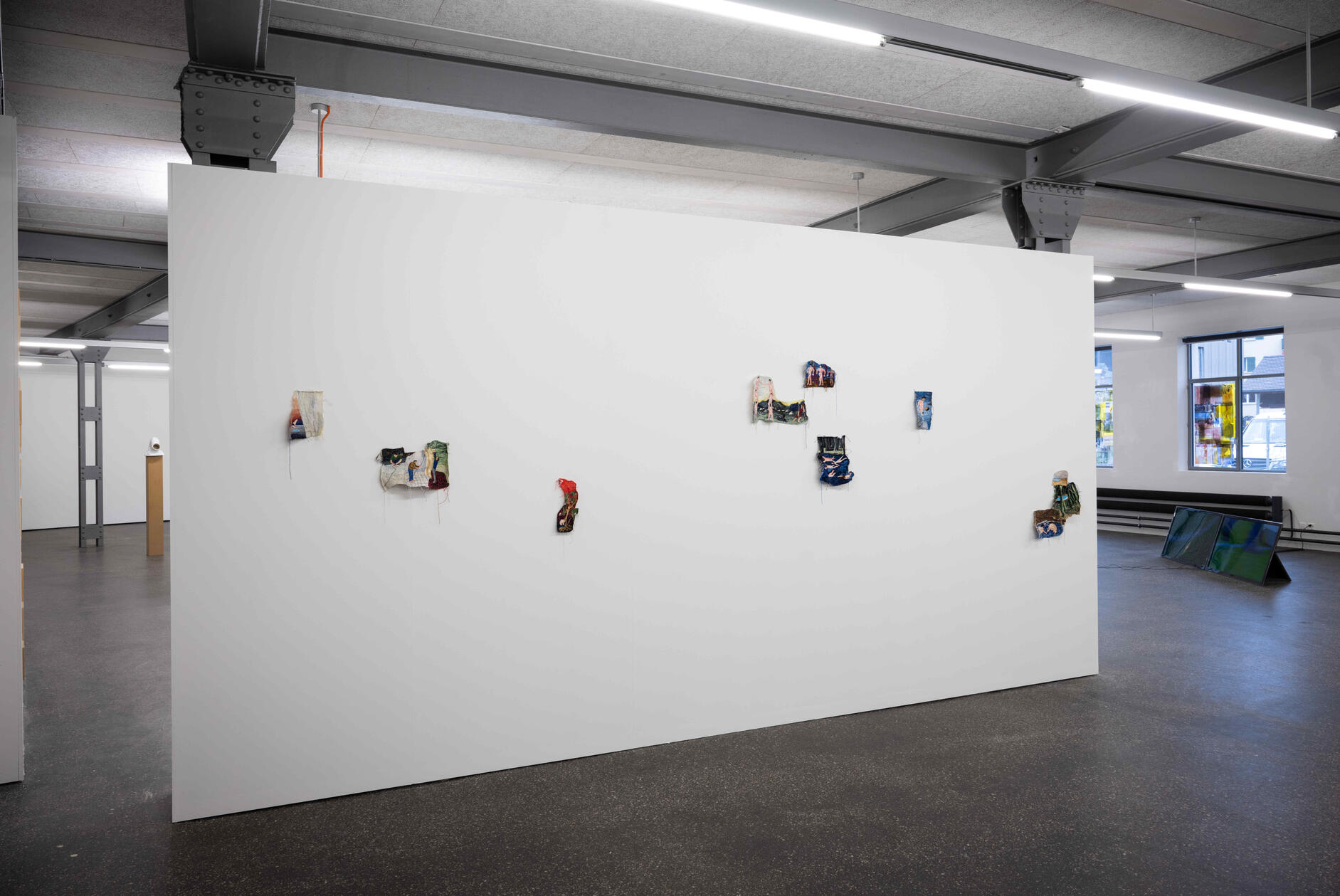
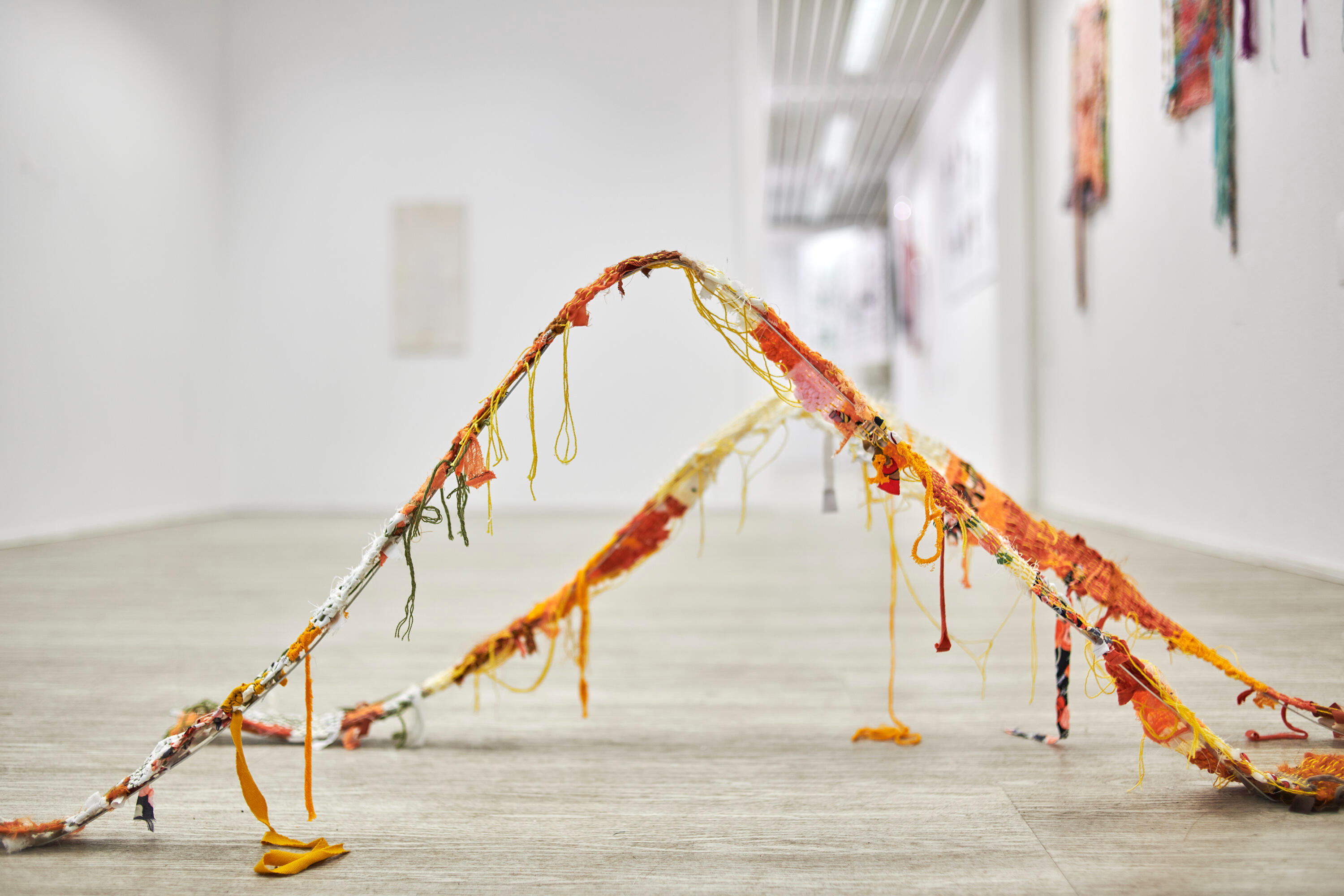
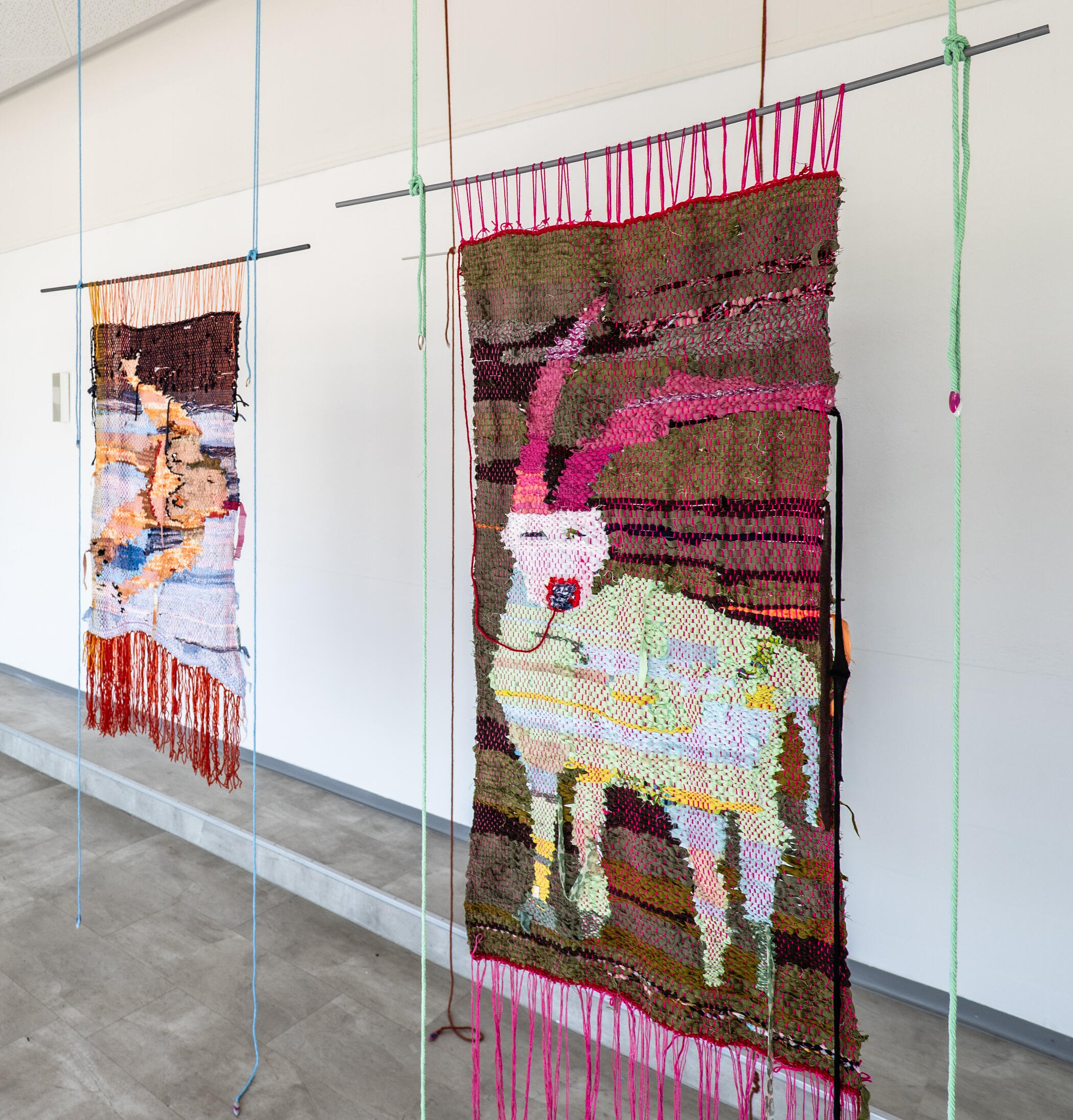
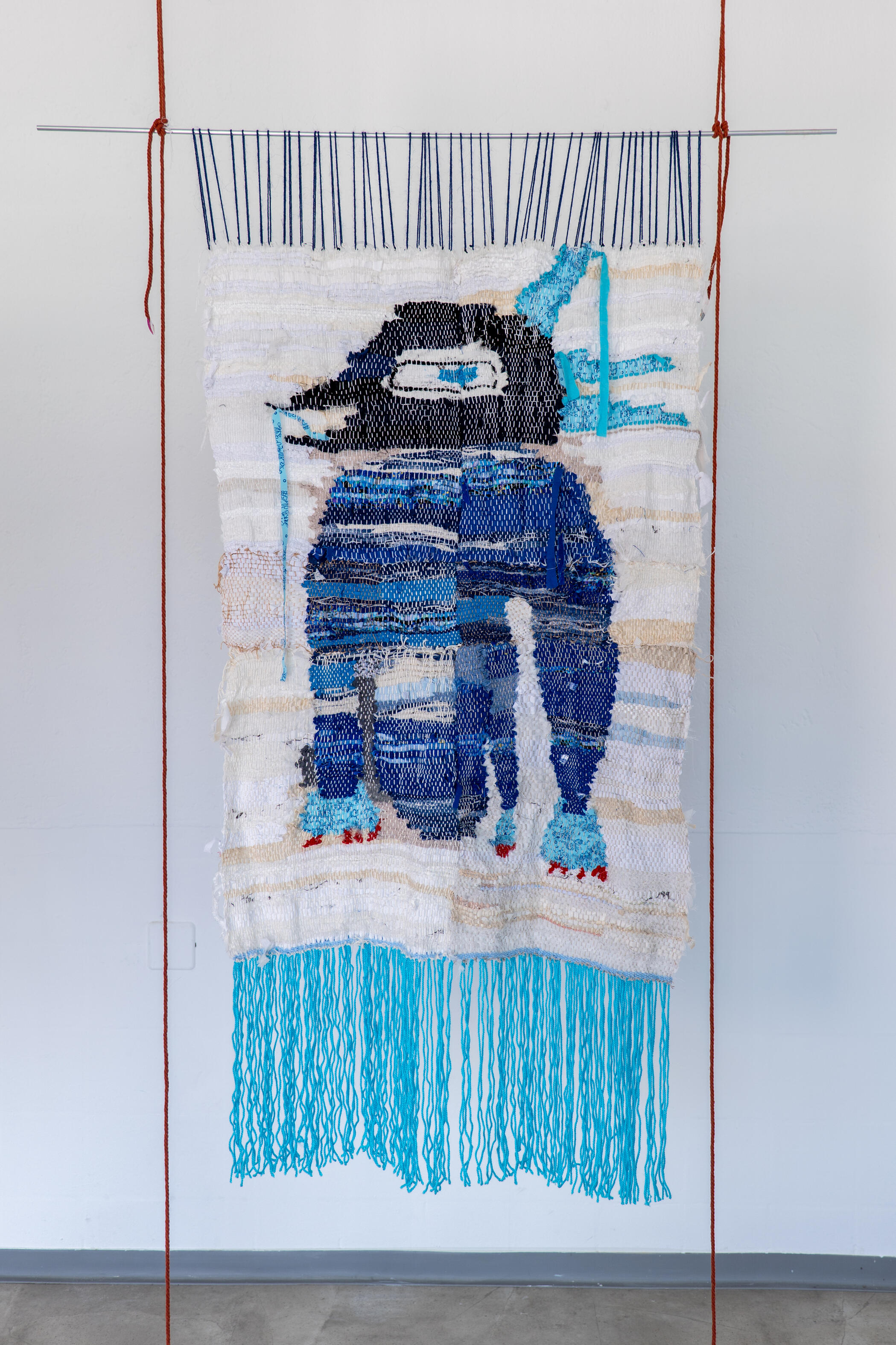
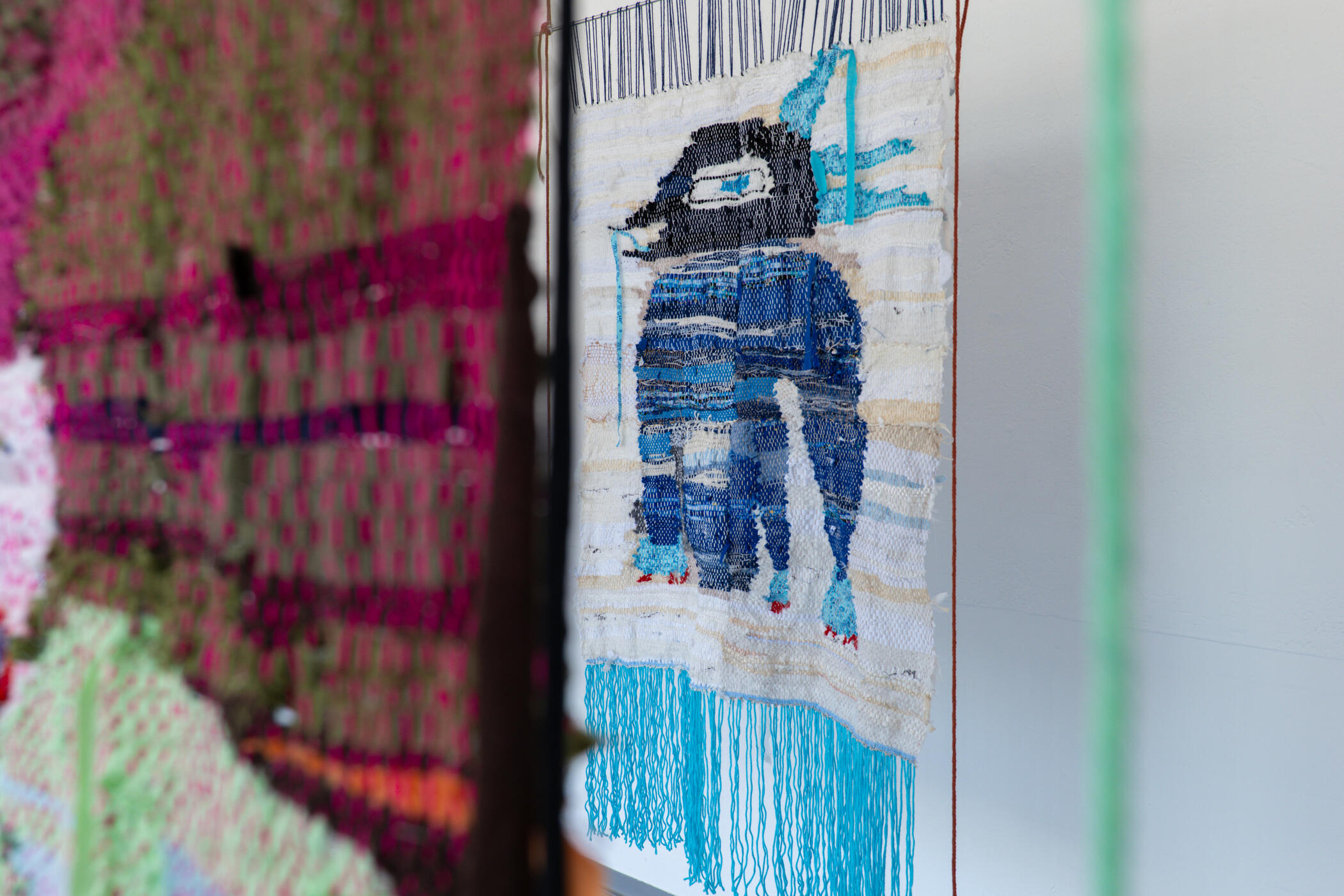
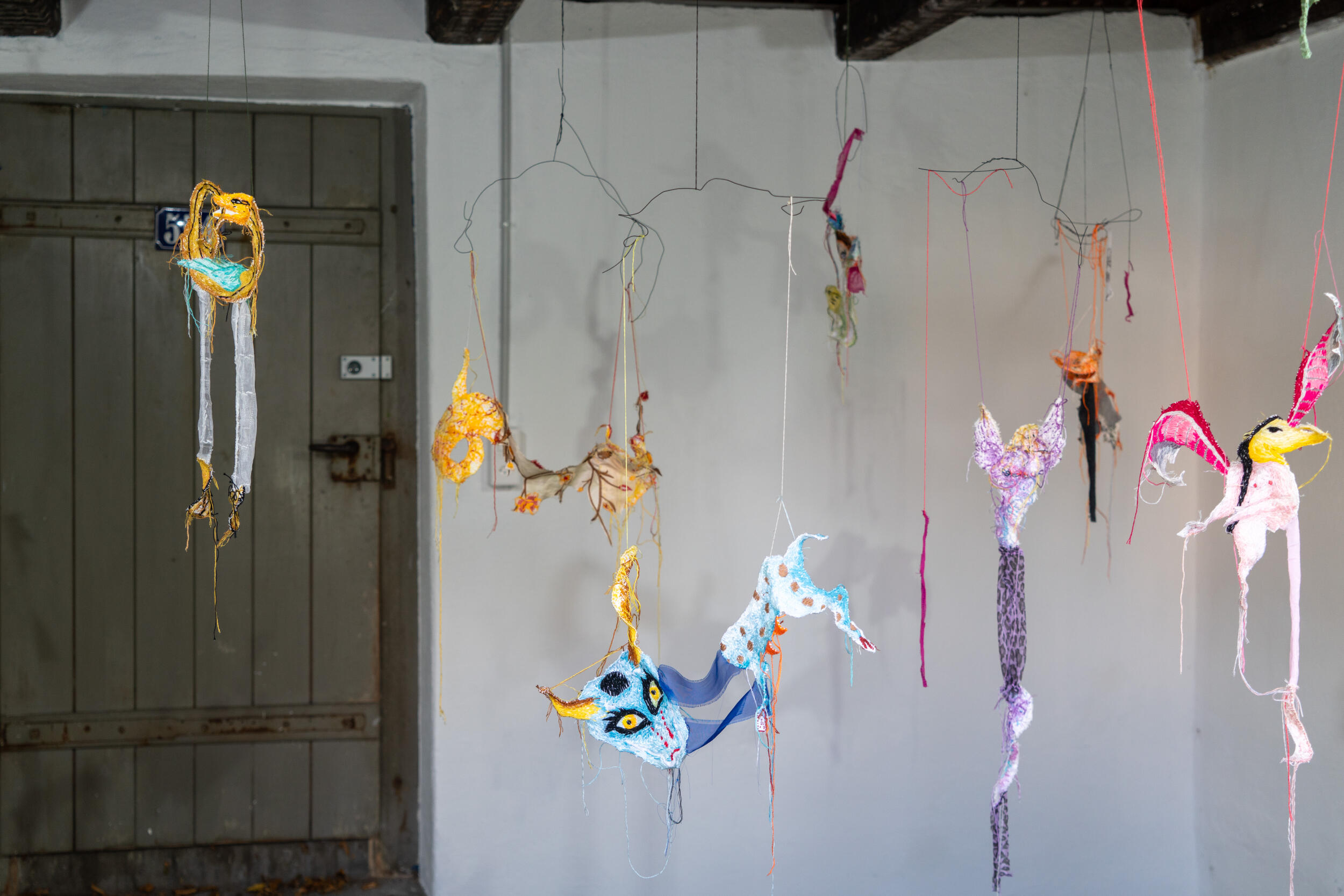
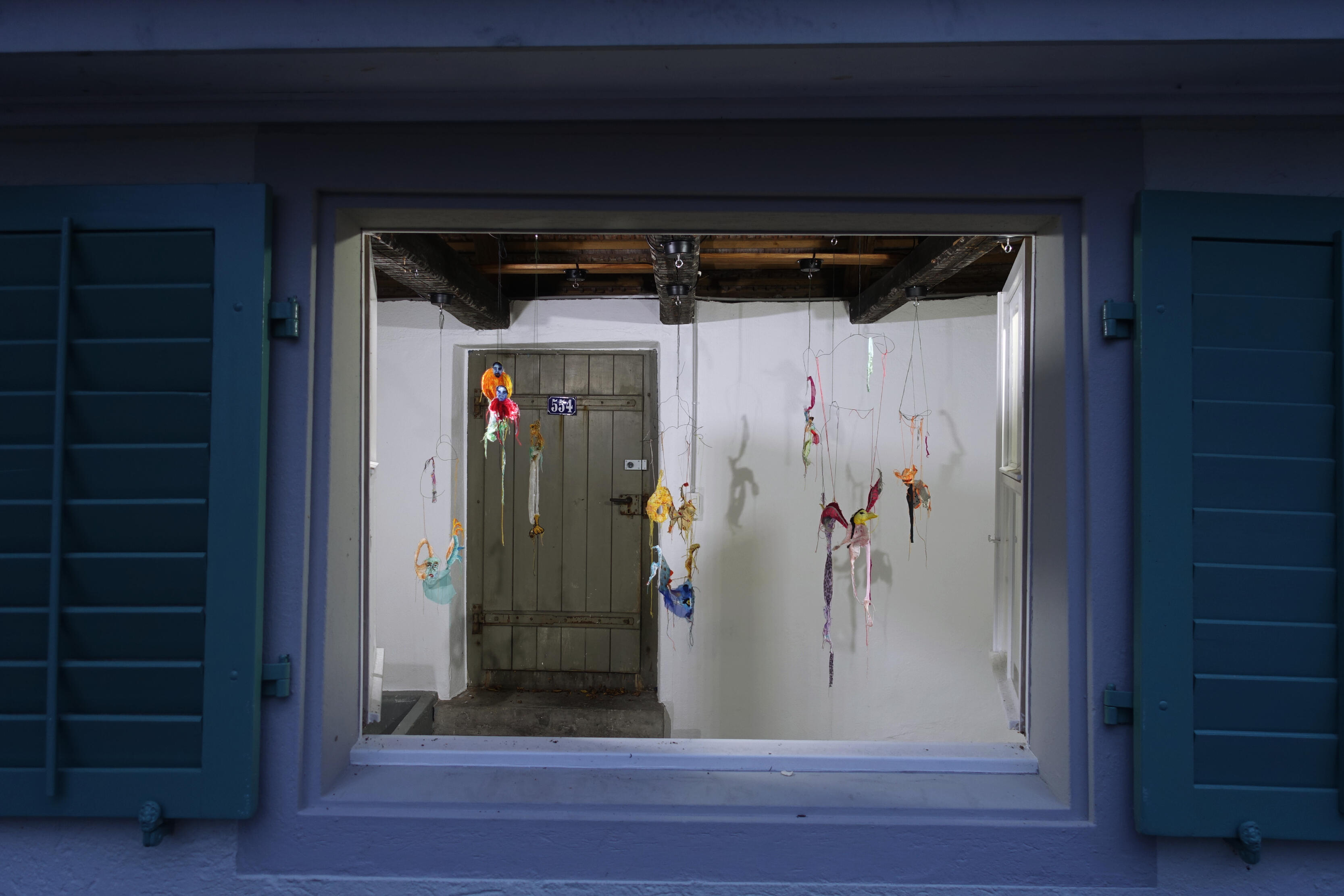
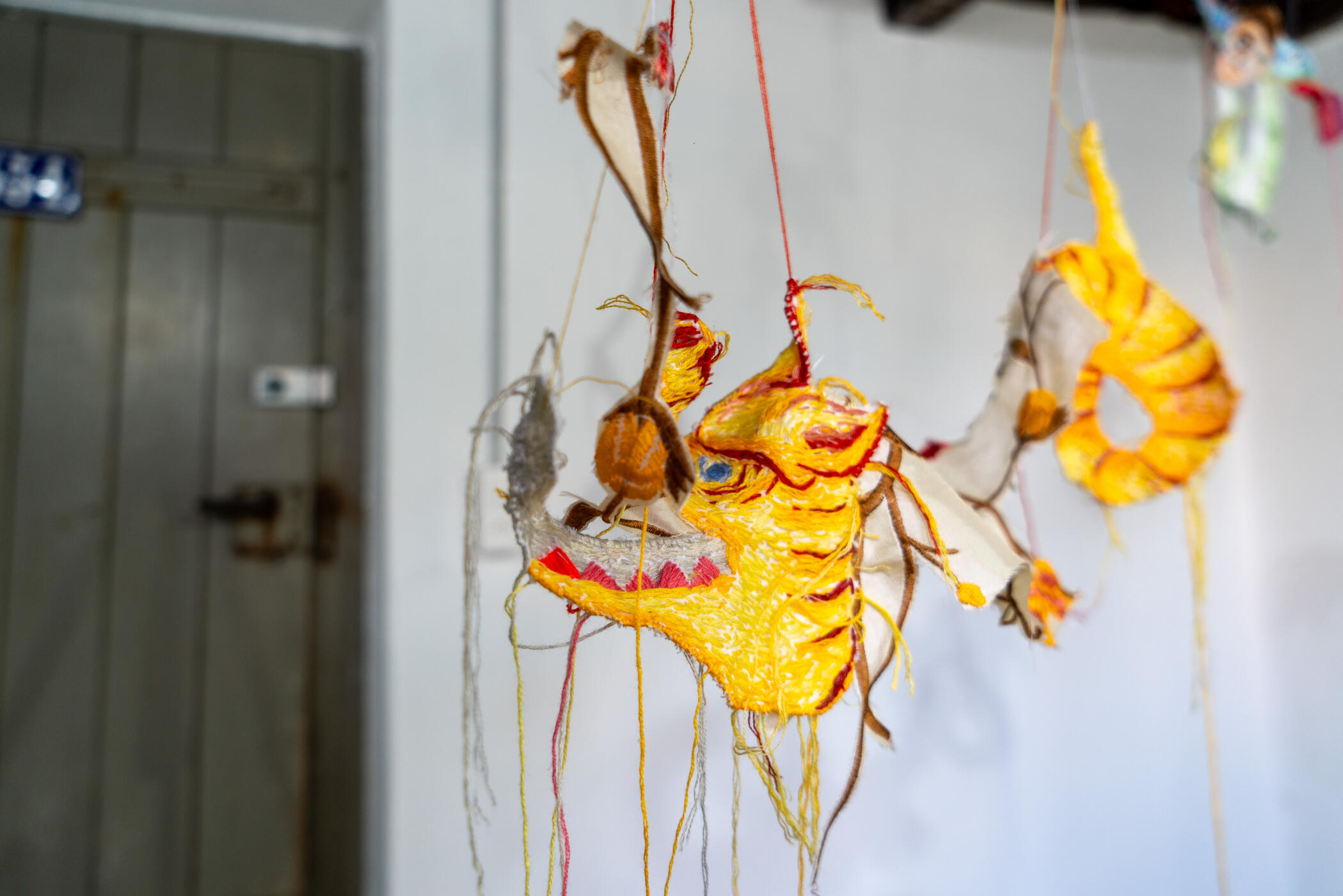
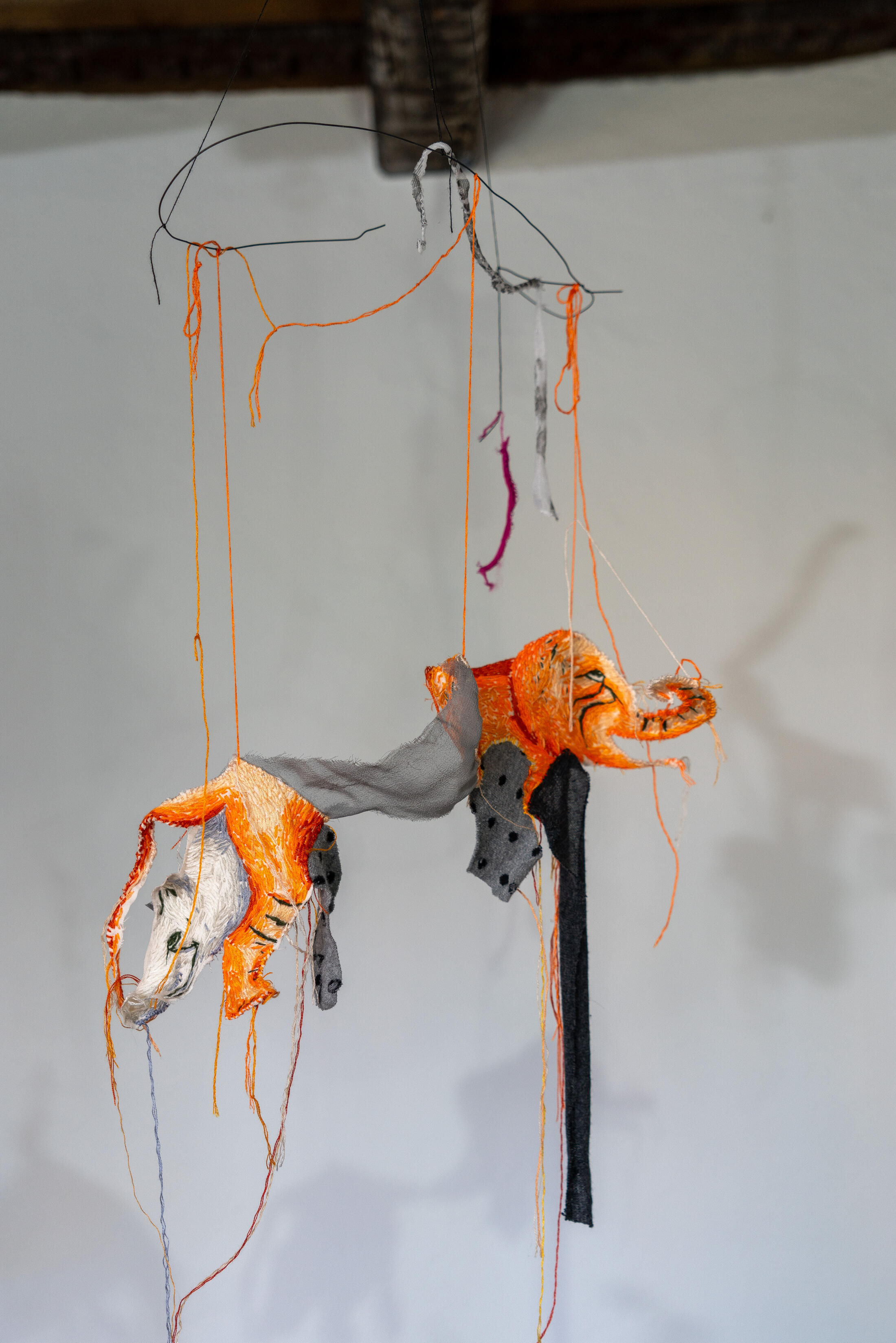
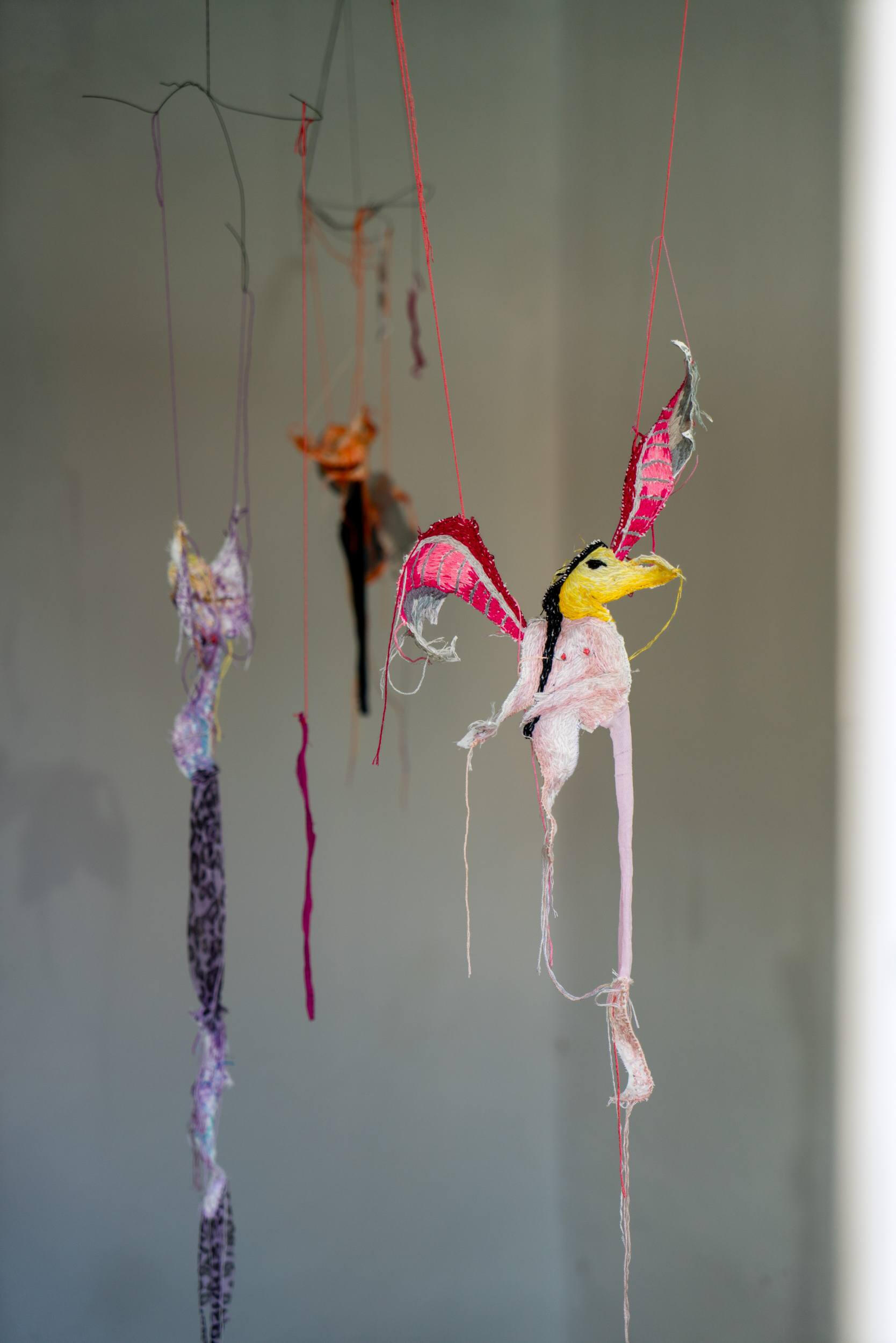
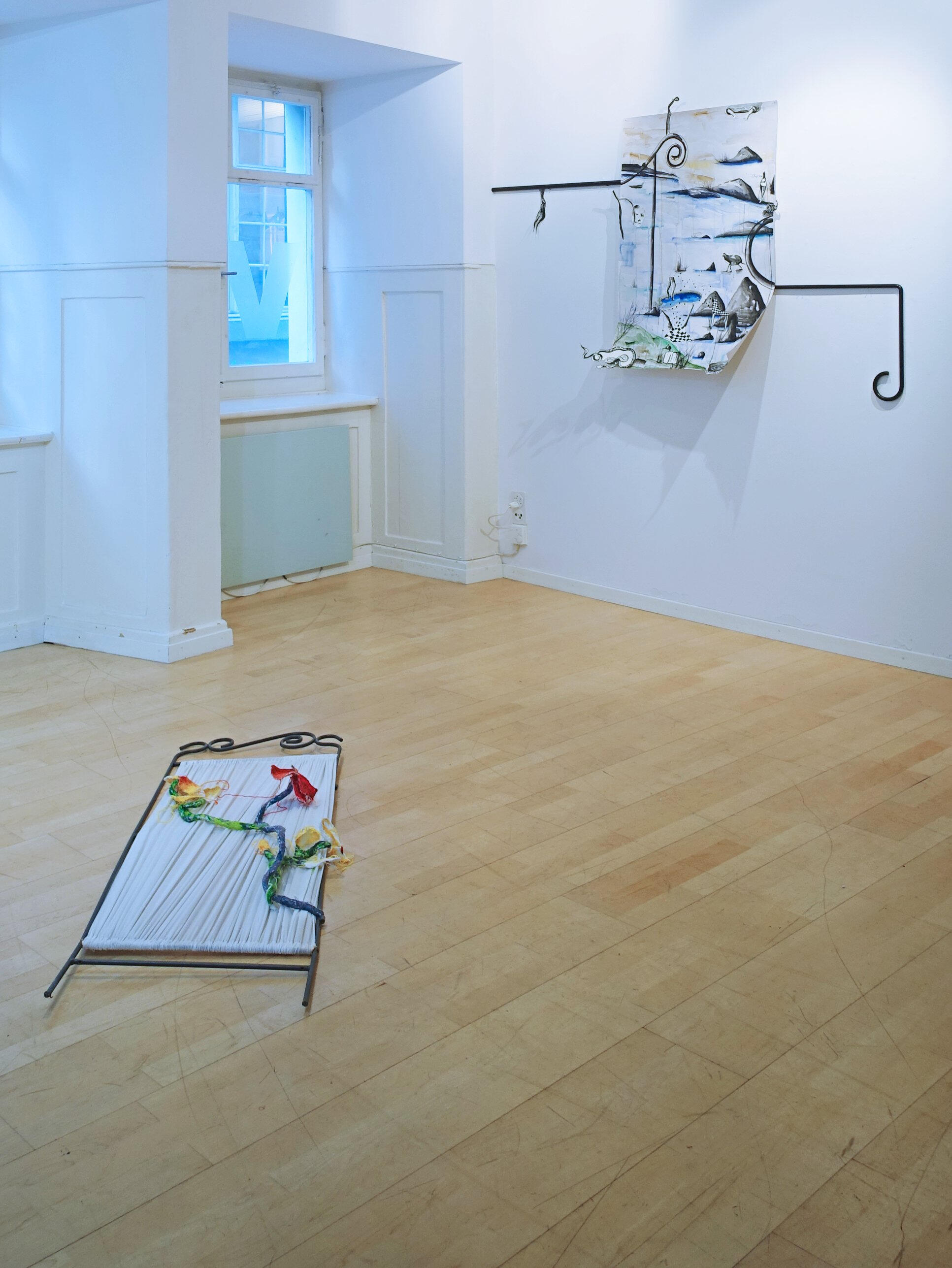
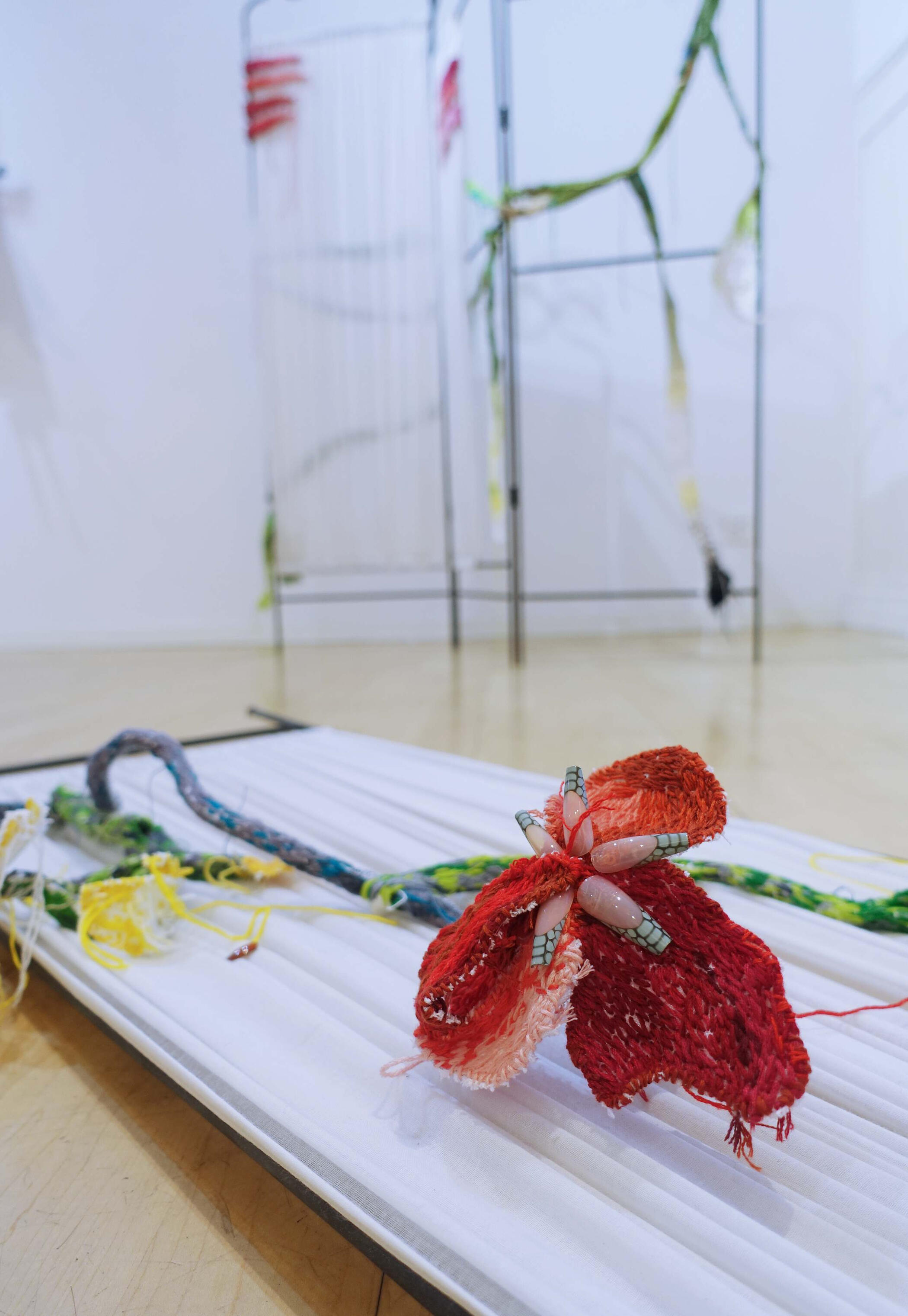
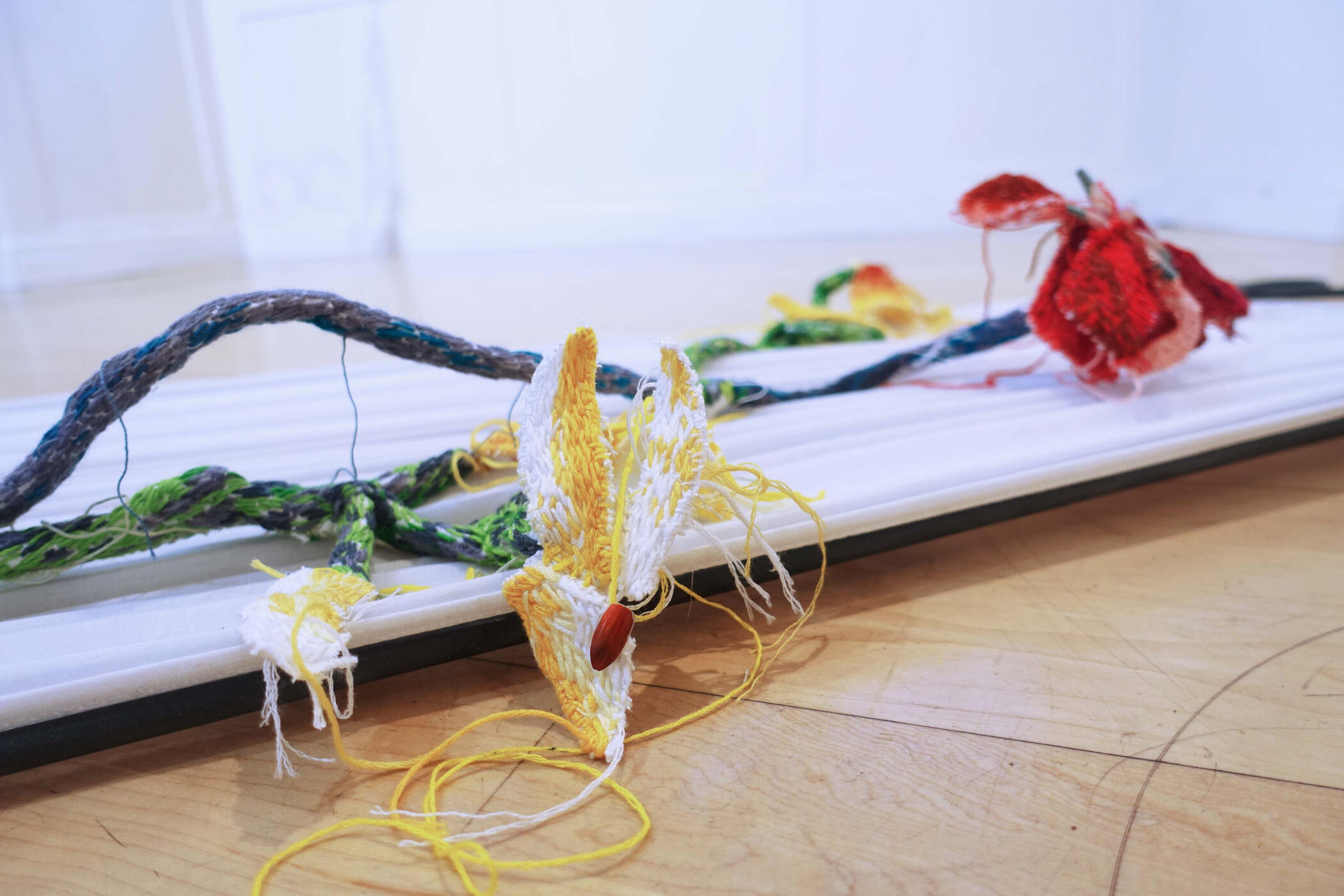
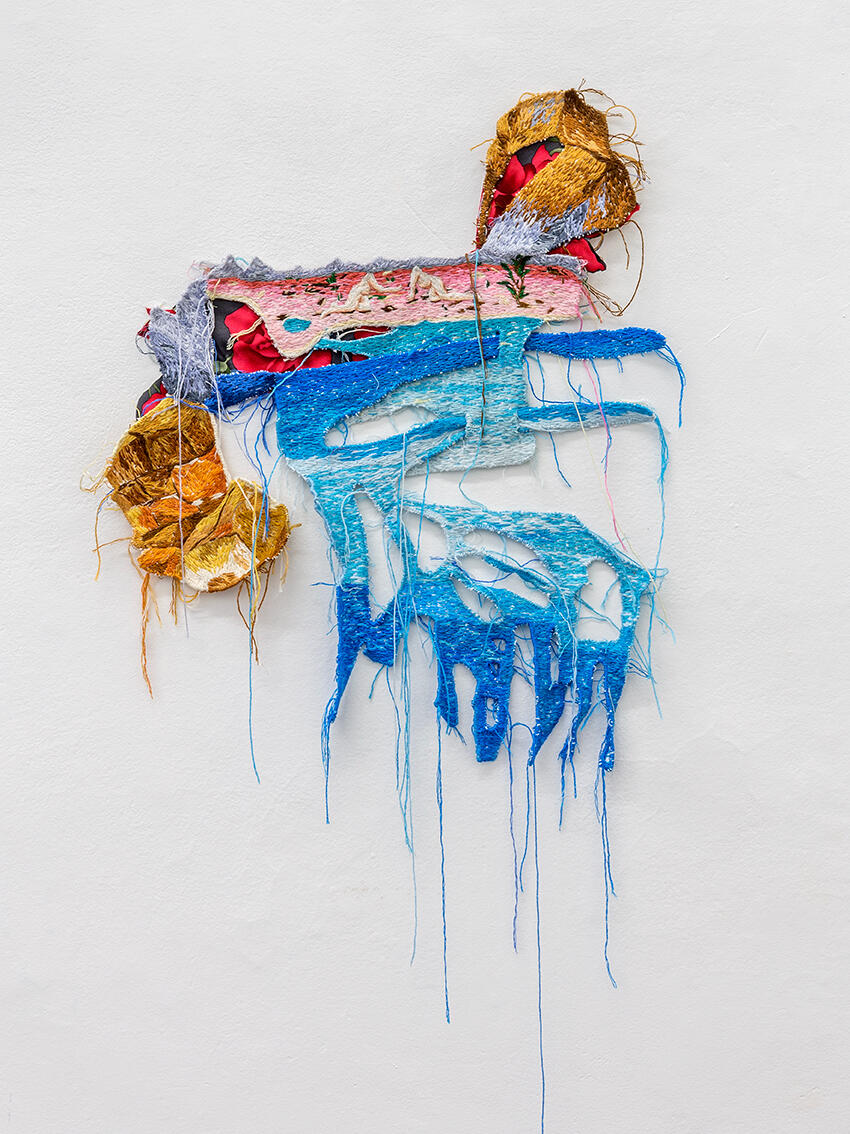
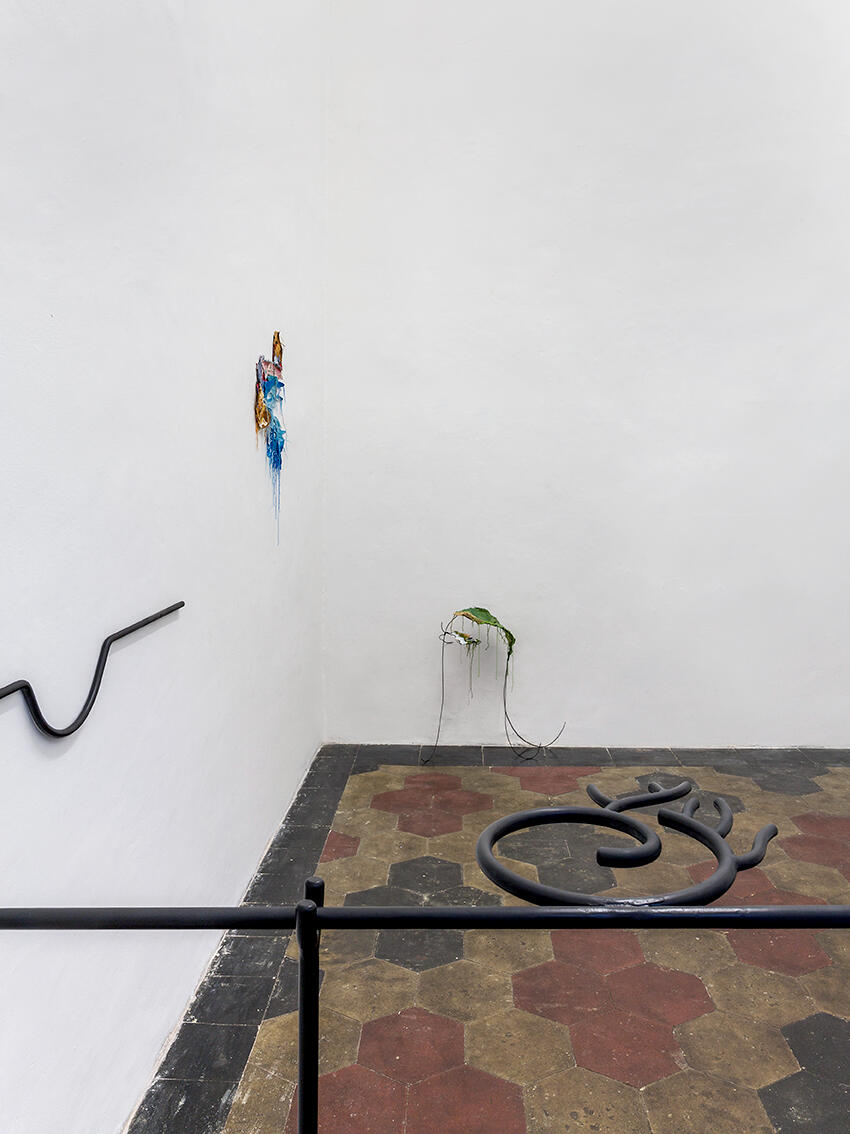
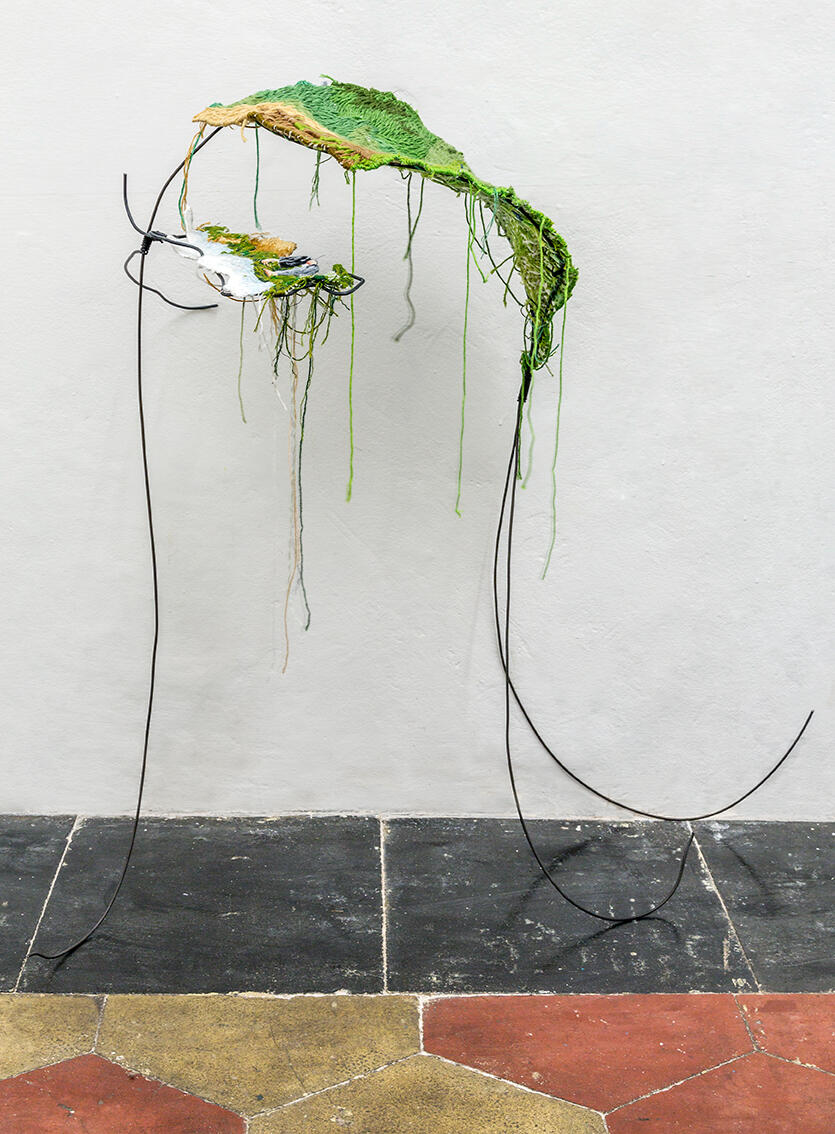
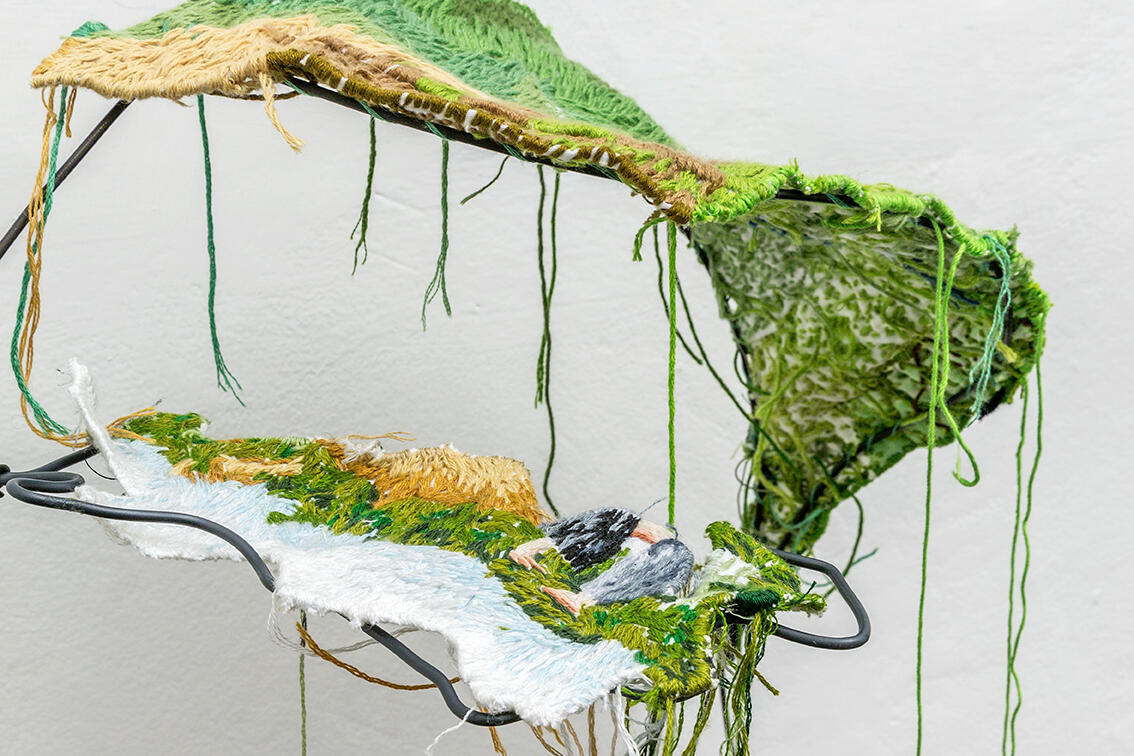
Whispers, ChirpingHandwoven fabric remnants, artificial nails, artificial pennants, dimensions variable, 2025These works emerge from three image sources: a pigeon used by miners to sense invisible mine gas, the hybrid being Hagrin from Deniz Gezgin’s novel Yerkuşağı, and women carrying heavy loads while working in the fields along the Black Sea.Initially appearing as fantastical bird-like figures in drawings, these images later transformed into handwoven works made from donated fabrics and clothing. Their connection lies in their bodily responses to vulnerability and to the sensing of an approaching catastrophe — not through language, but through movement, endurance, and transformation.The pigeon signals danger through its agitated body; Hagrin mediates between life and death through care and consumption; the women walk long distances to ensure survival. Freed from hierarchical and human-centered attributions, these figures are placed side by side as social and fragile beings who carry responsibility for others.Through cutting, knotting, and weaving fabrics that once belonged to different bodies, the works propose new, intertwined narratives — allowing these beings to coexist lightly and temporarily, without being fixed to a single identity or representation.
Text
Fragile Archive Effectve TiesFomo Art Space, Zurich26.09-24.10. 2025
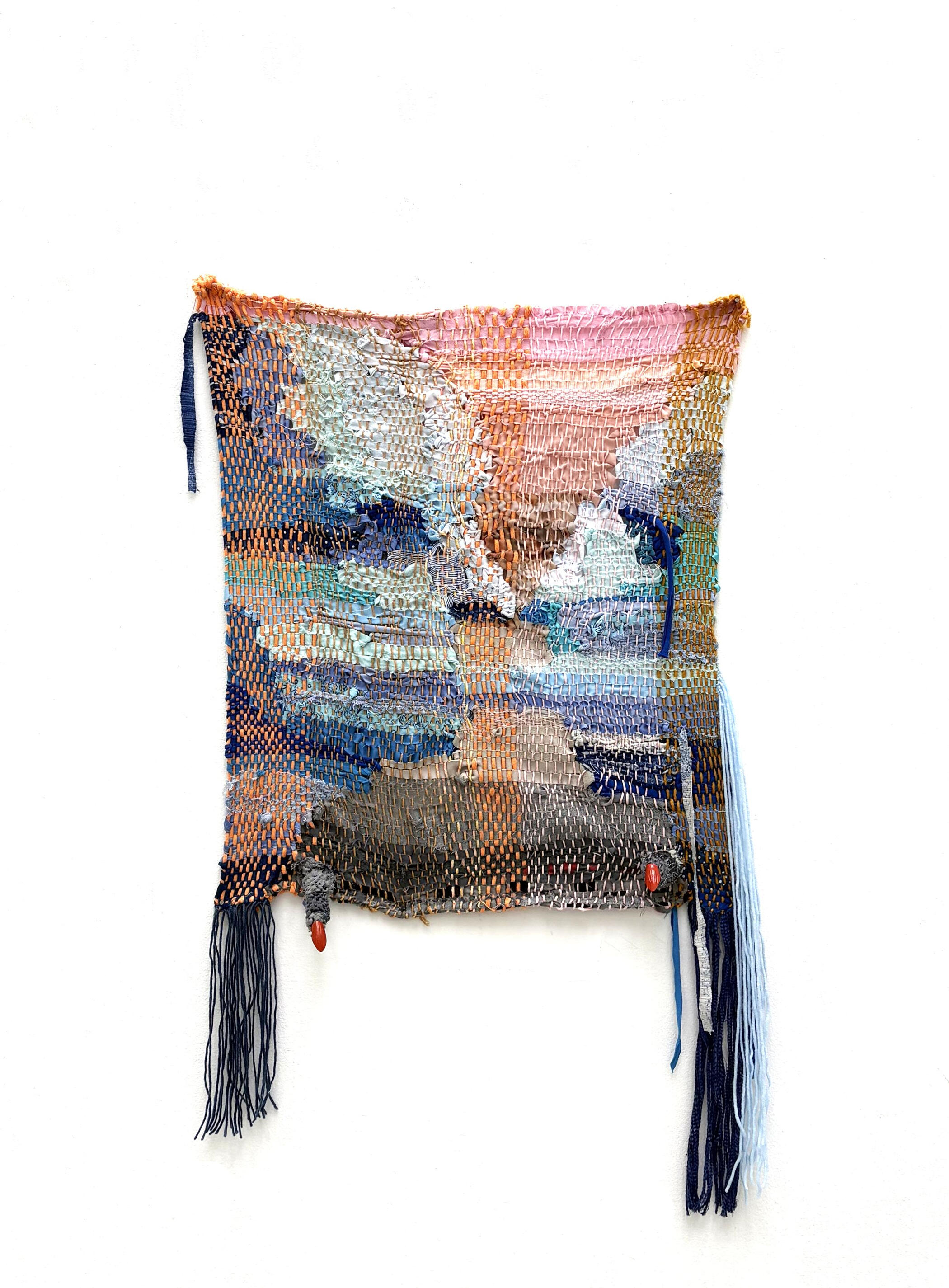
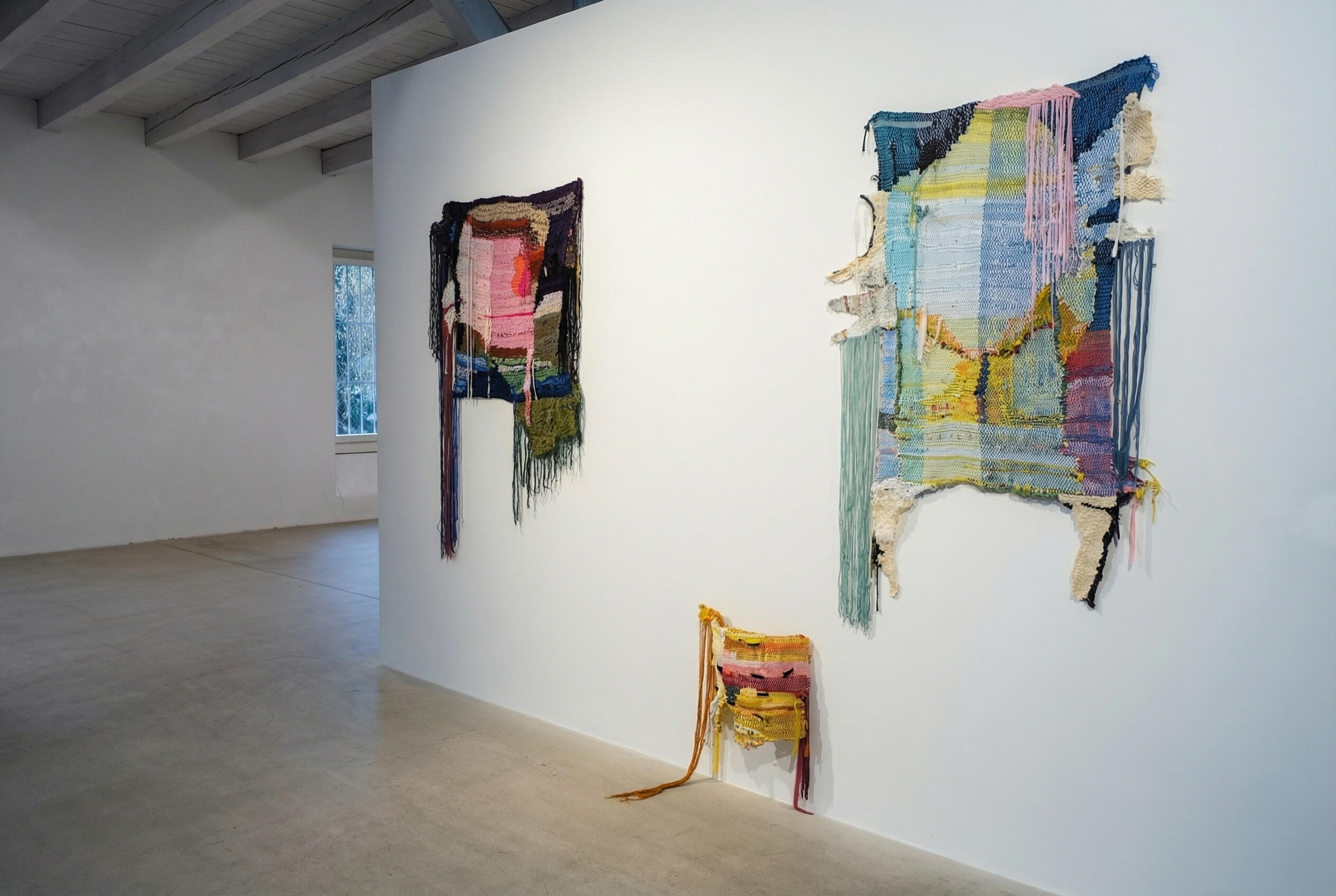
Long Tongue, Old Song
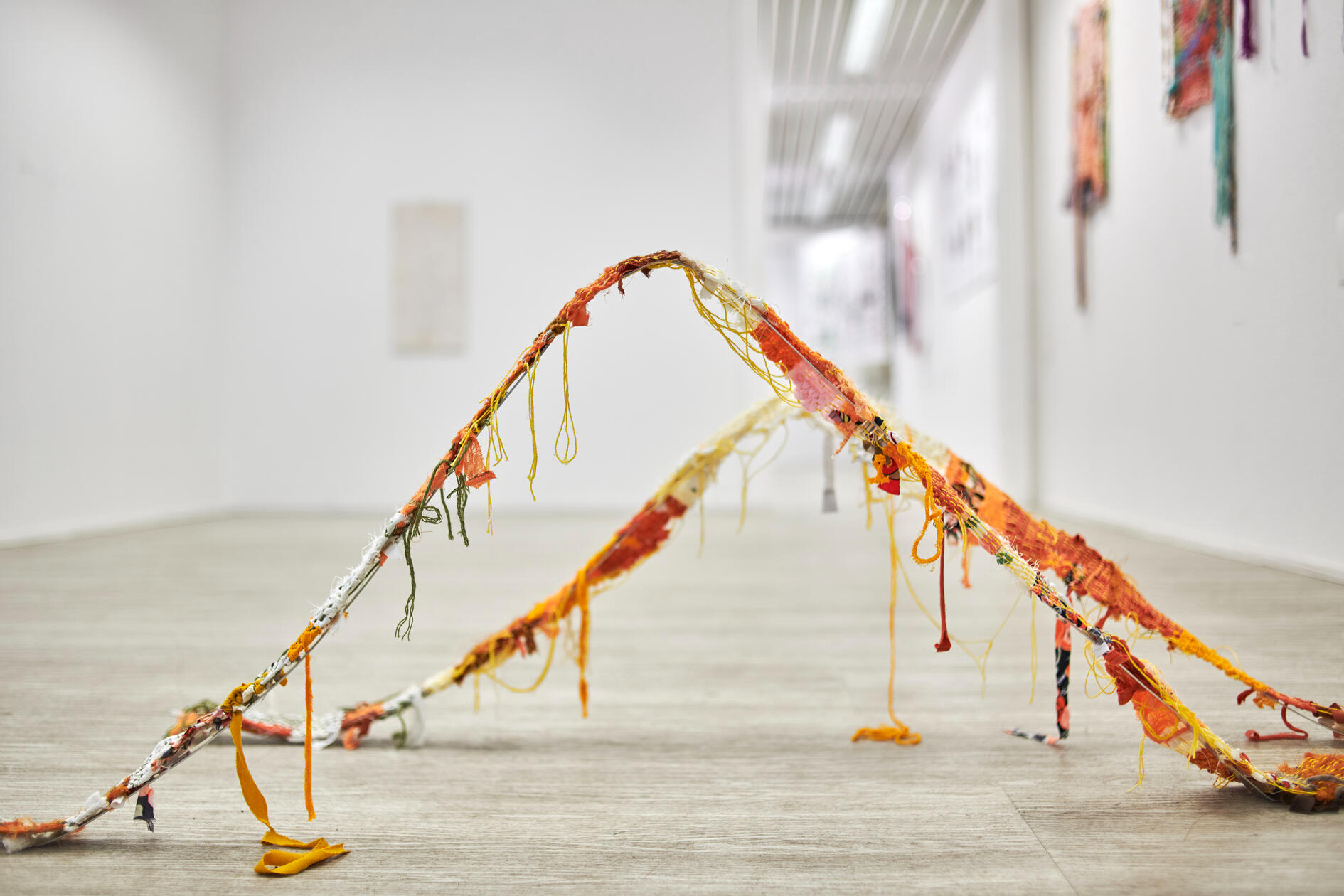
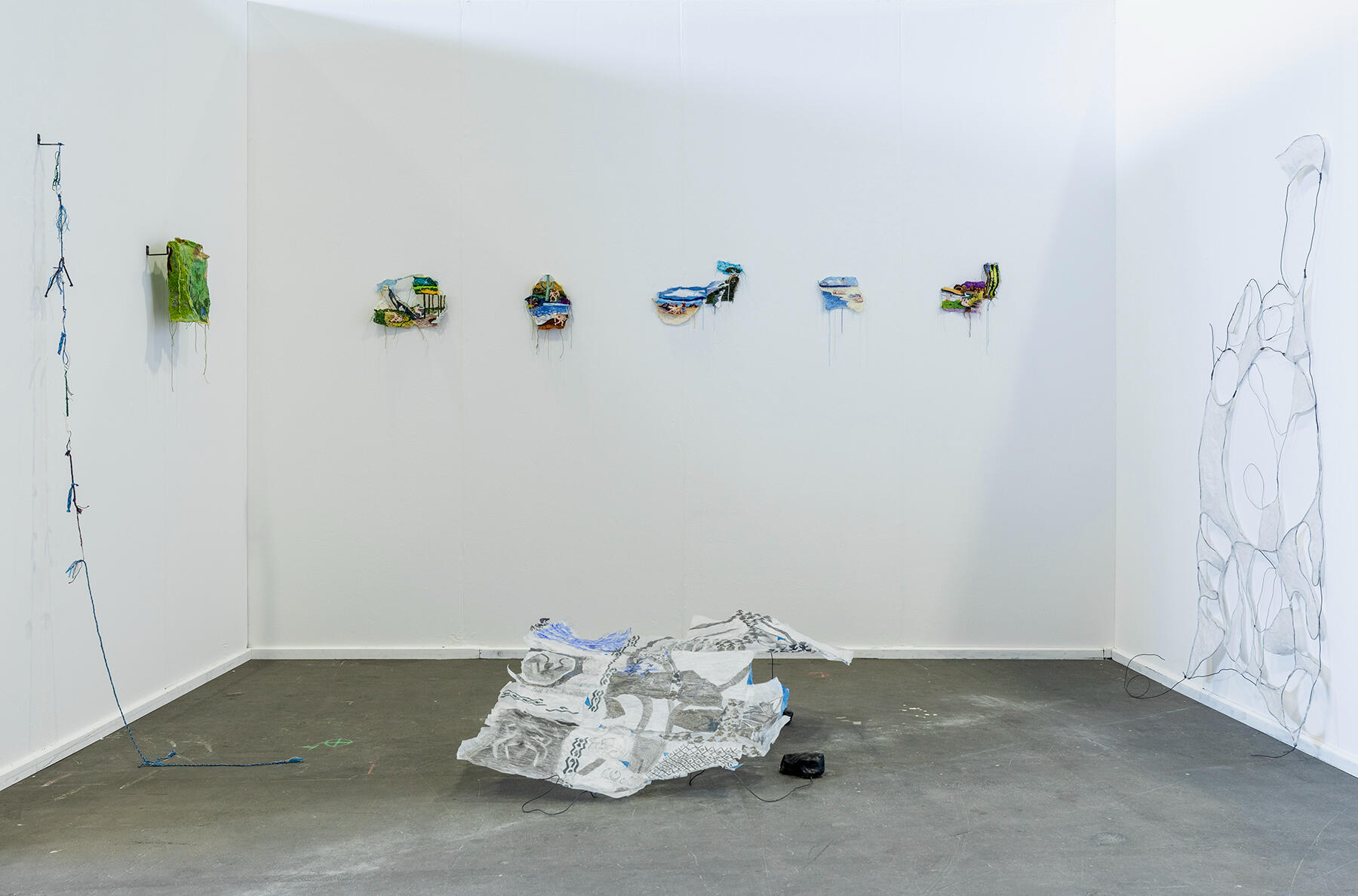
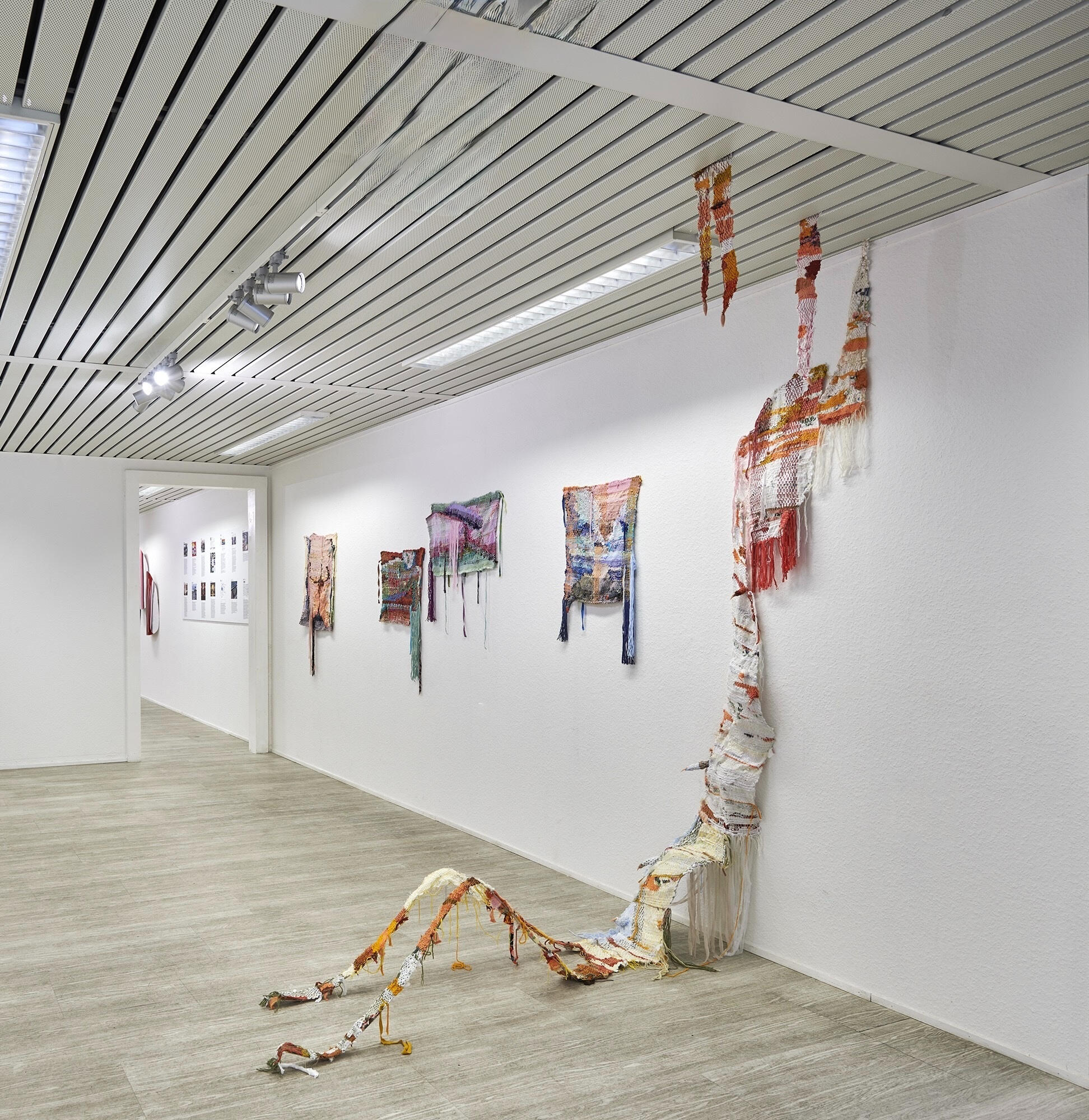
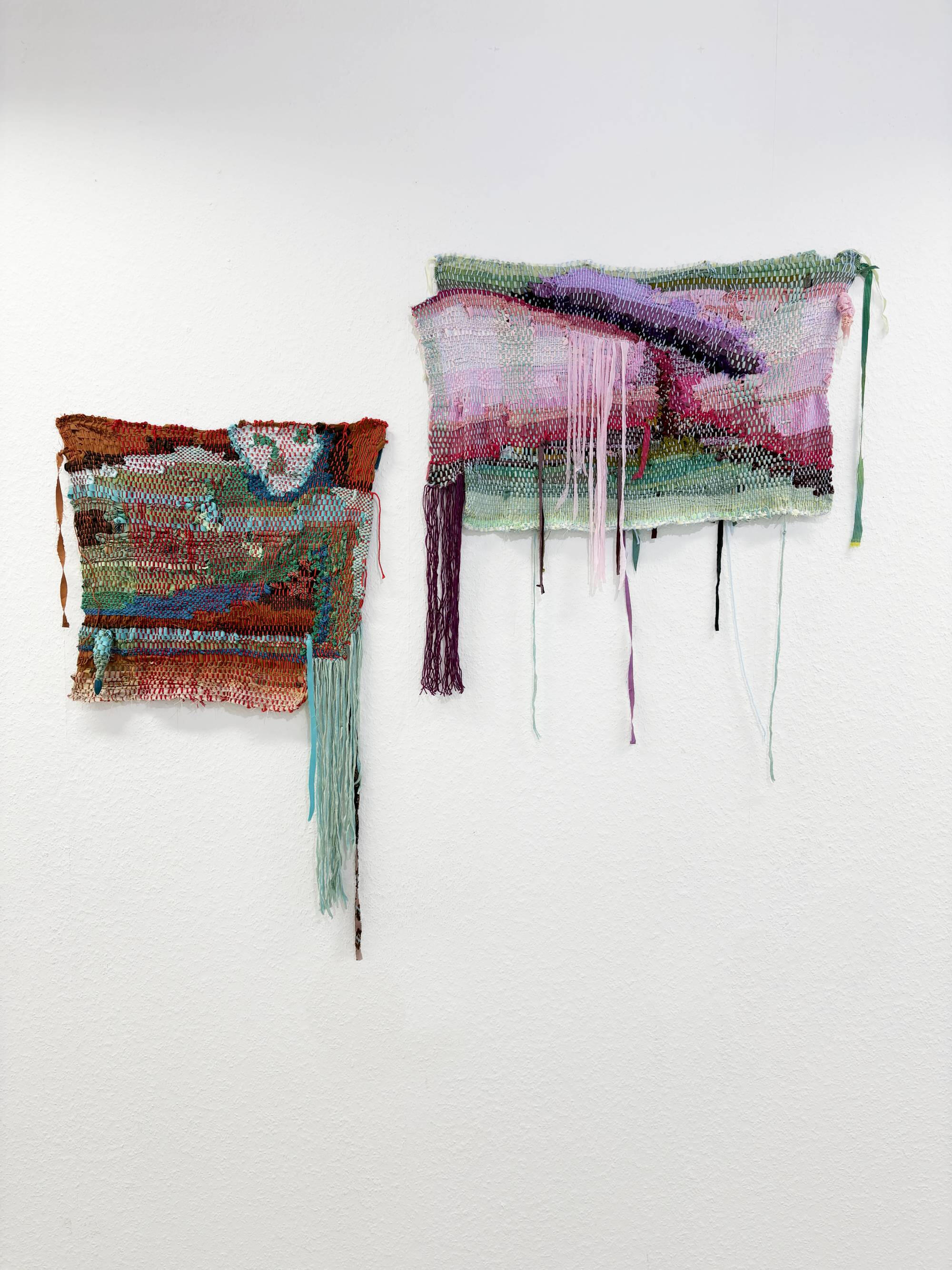
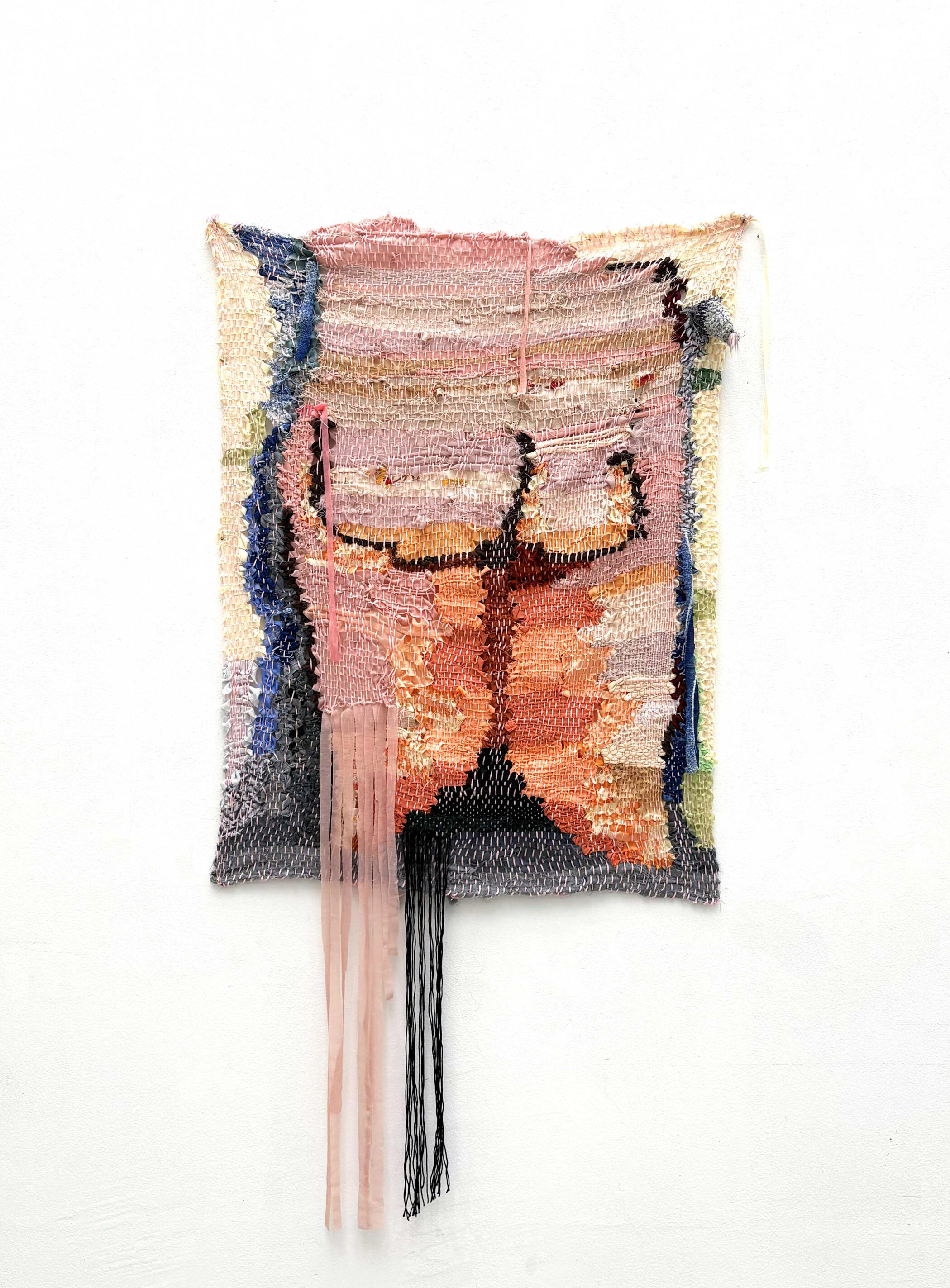
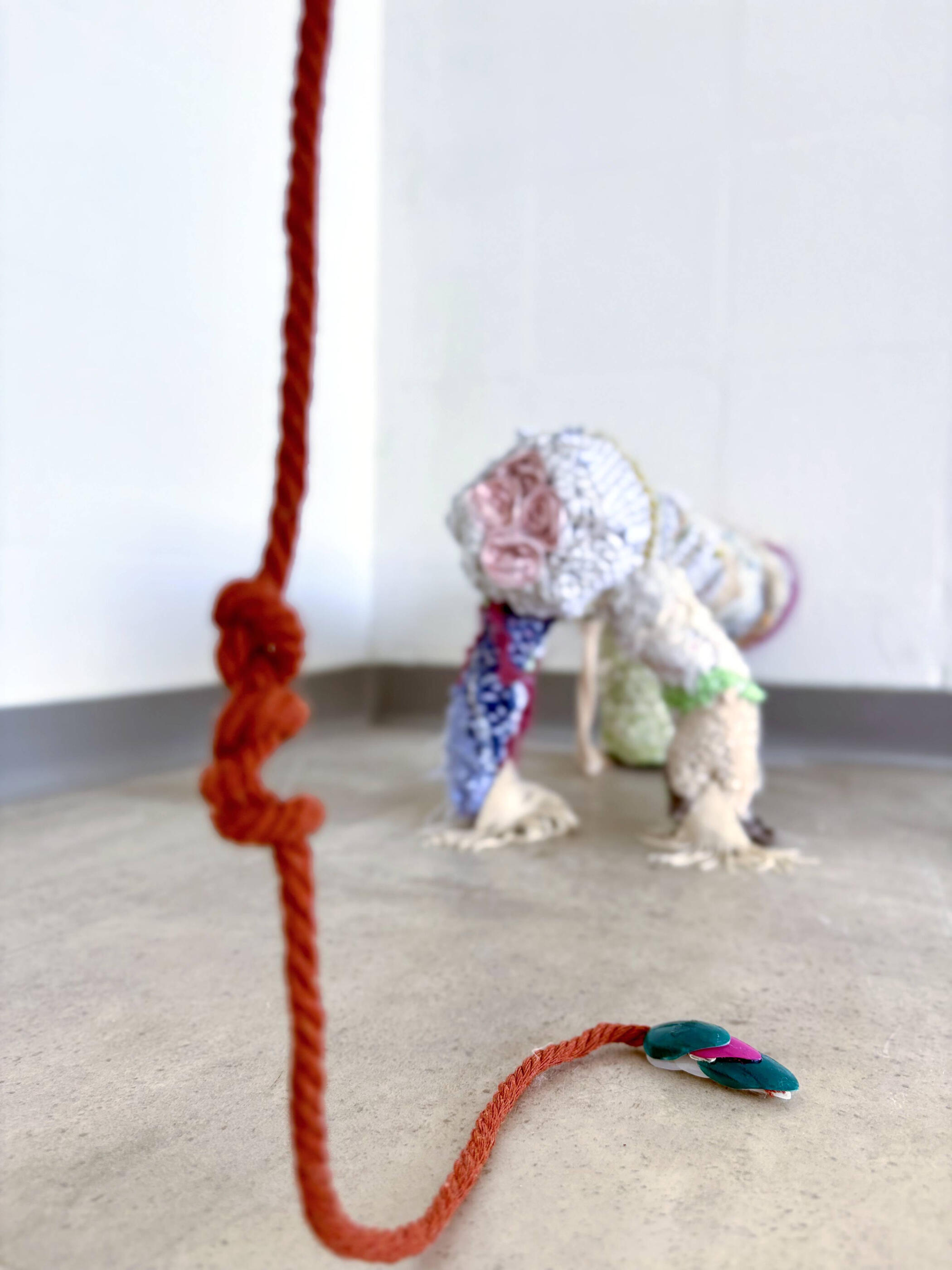
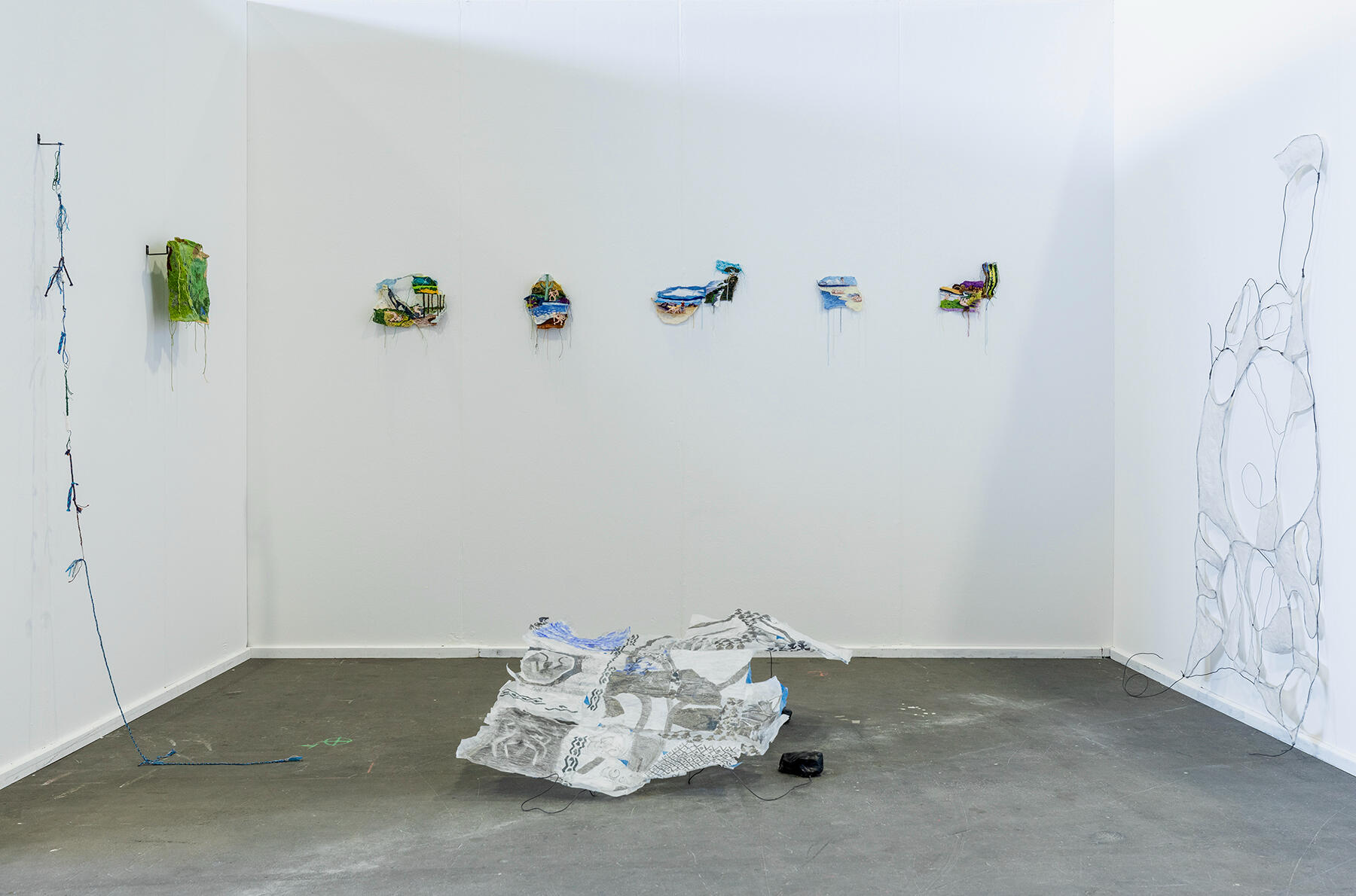
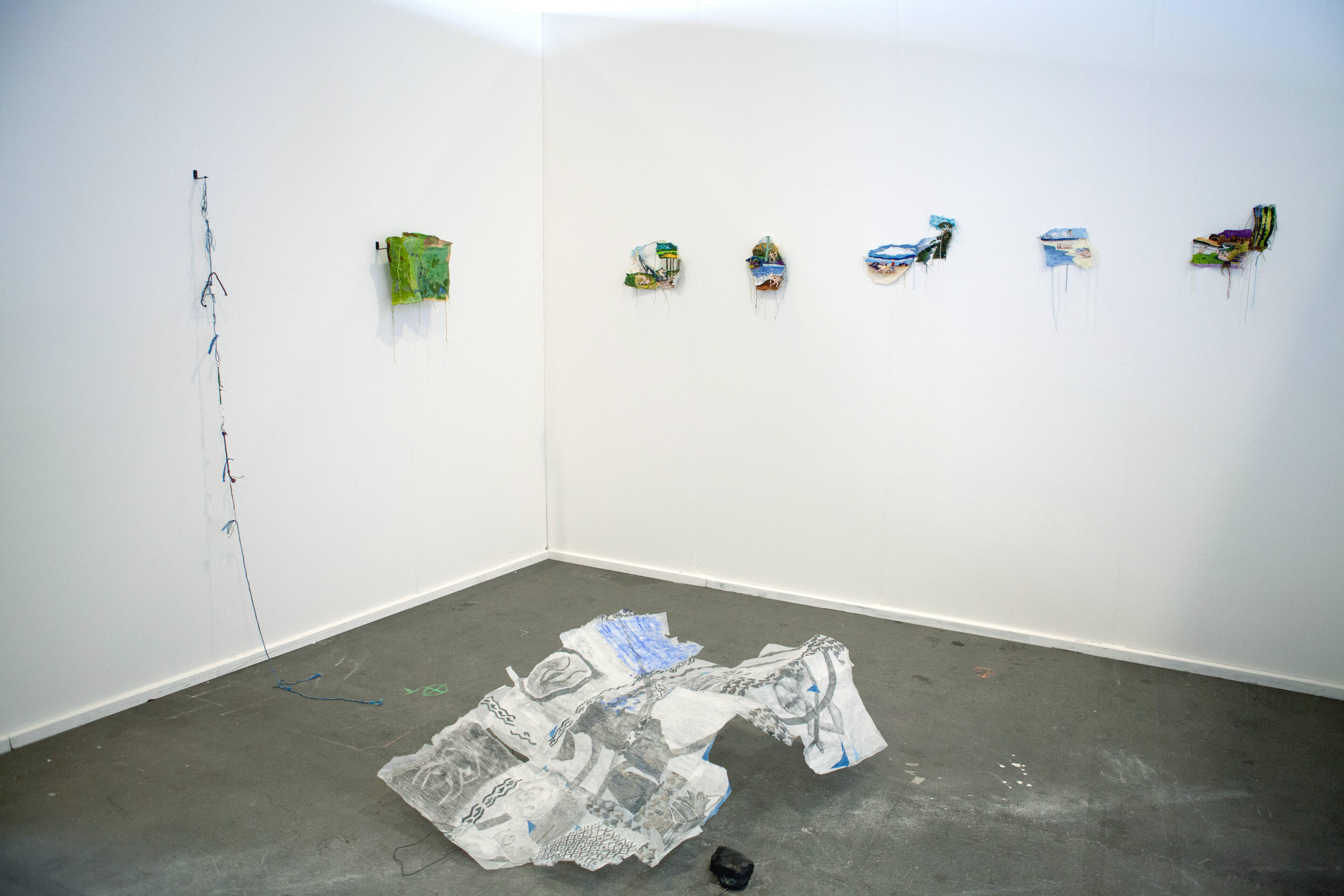
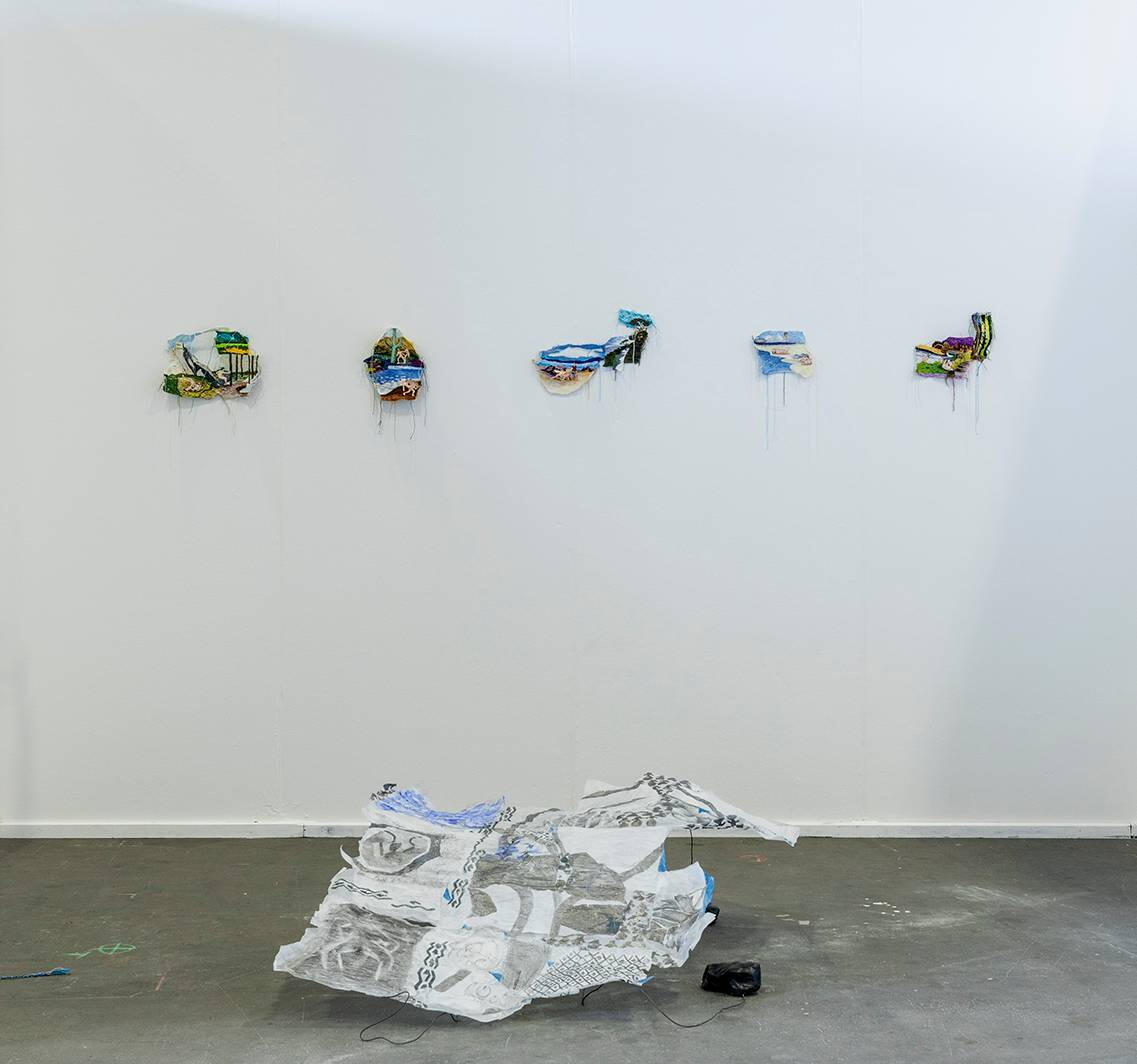
Woven fabric scraps, artificial nails, 2025.In her site-specific installation for FOMO, Seda Hepsev draws from feminist writer Elizabeth Fisher’s Carrier Bag Theory of Evolution. Rejecting the patriarchal narrative that positions the weapon as humanity’s first tool, Fisher argued instead that the bag—used to gather, carry, and store food and materials—was the central invention for human survival, making women the first inventors in the hunter-gatherer phase. In her work, Hepsev foregrounds women’s role in carrying food and materials, a labor long omitted from histories written through heroes, inventions, and progress. As she notes, dismissing the bag as “just a container, nothing worth mentioning” merely extends this patriarchal narrative.In Long Tongue, Old Song, Hepsev reclaims the collectivity of the bag by creating a large figure woven from fabric scraps—a sculptural body, part monster and part creature, whose form may suggest masculinity yet, for her, is unmistakably female. Unlike the controlled ideals of art history, this figure leans back against the wall at ease, as if slowly expanding and growing larger, carrying within it the stories embedded in the fabrics. By contrast, smaller textile images referencing masculine-coded bodies appear weaker and more ordinary around the sculptural body. Through this tension, Hepsev exposes the invisibility of women’s contributions and reframes culture itself as a carrier bag—a vessel that holds silenced, distorted and biased histories.Elif Carrier, from the exhibition text.Installation photos: Anna Maysuk
dance-repeat-dance-repeat-dance
Hartdurm
12.06-12.07.2025Lara Russi, Seda Hepsev, Tetiana Kartasheva
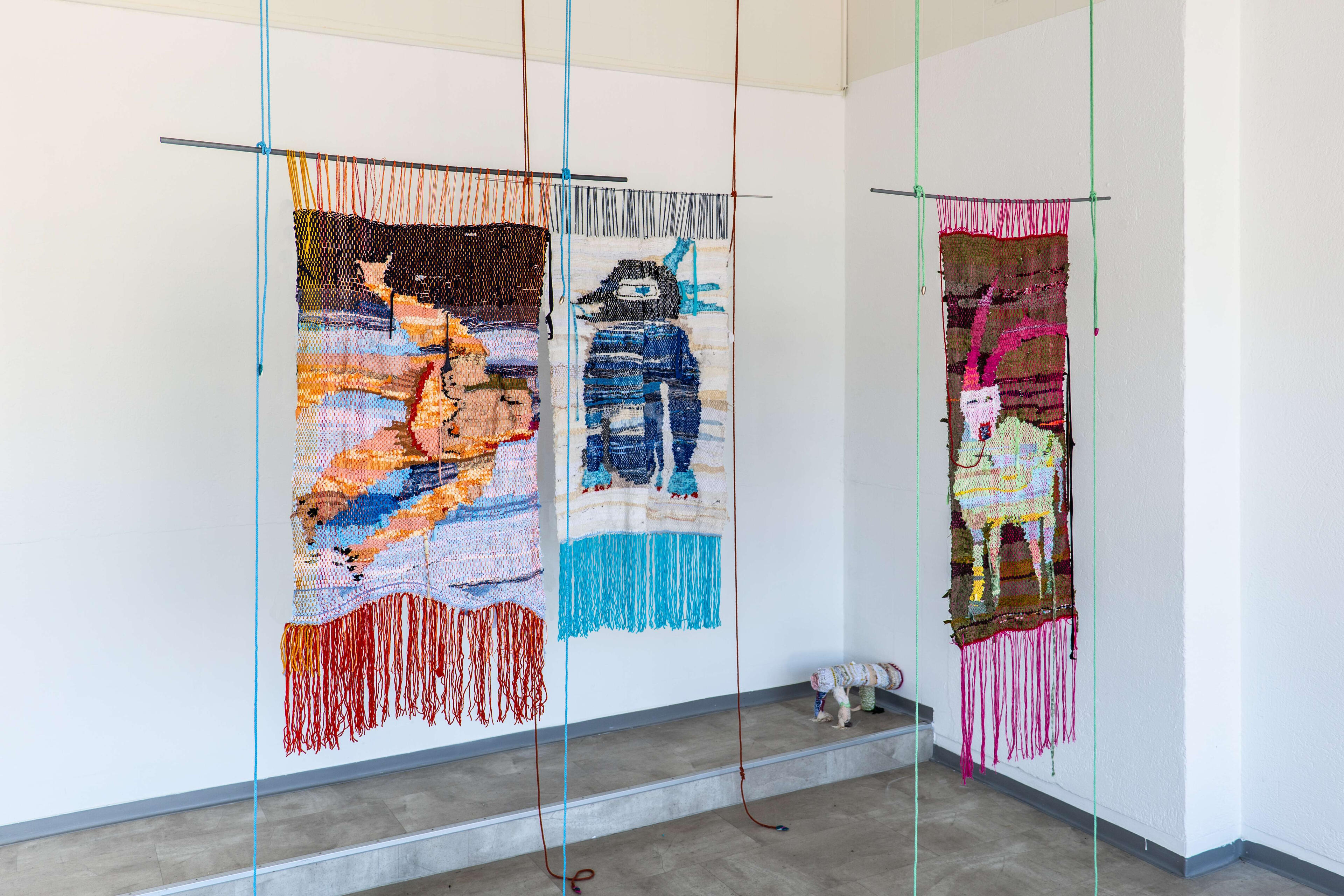
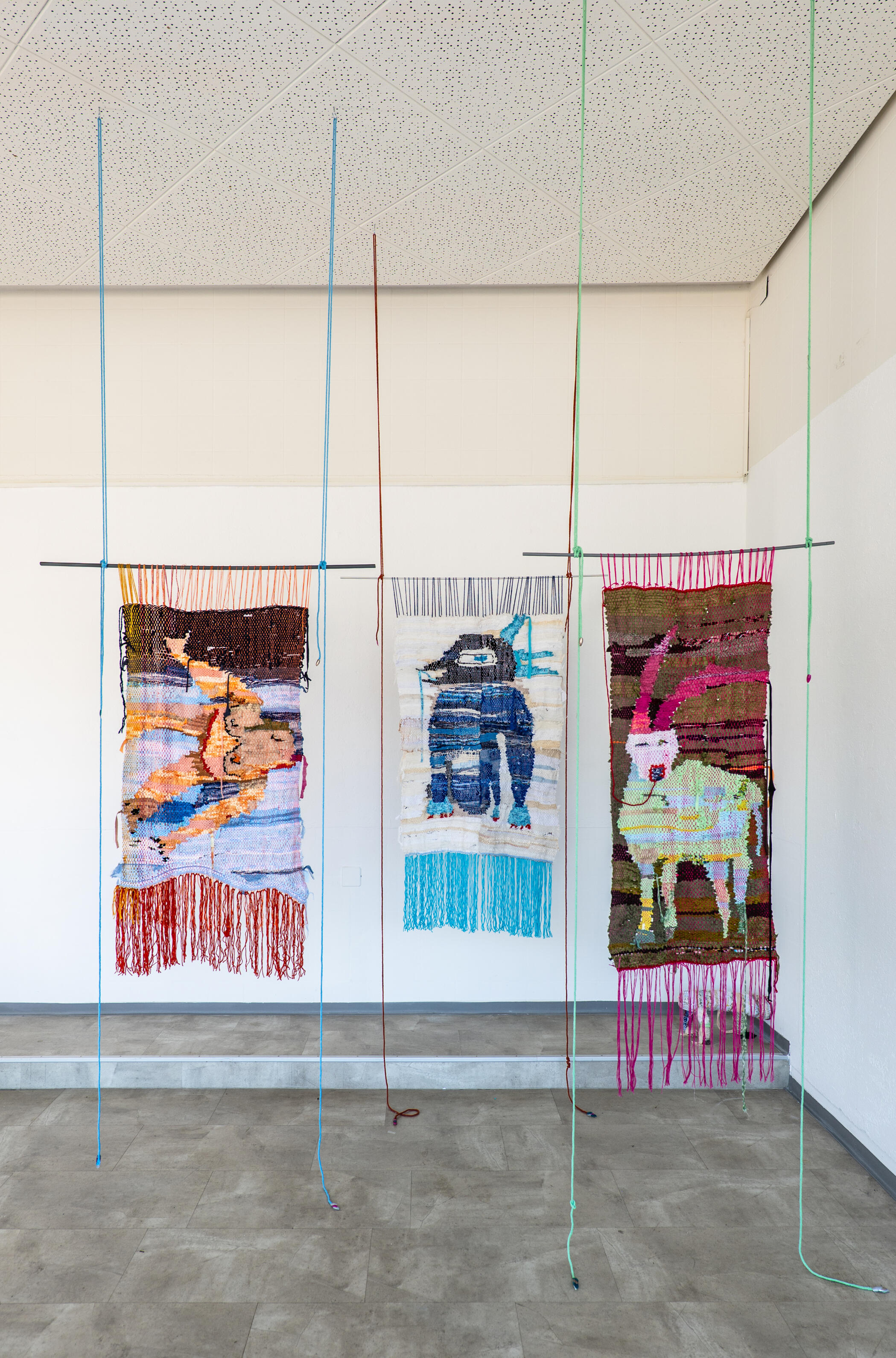
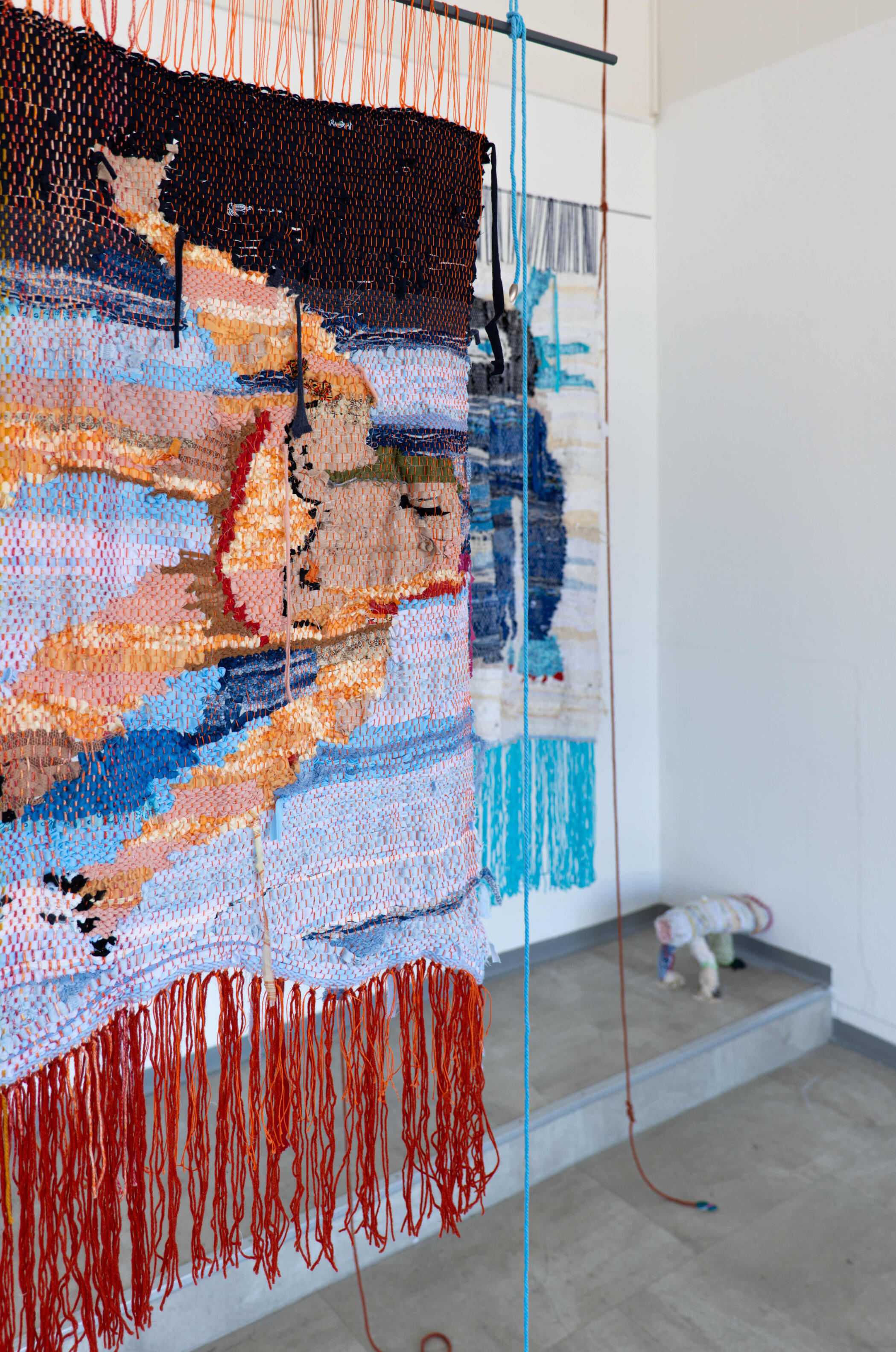
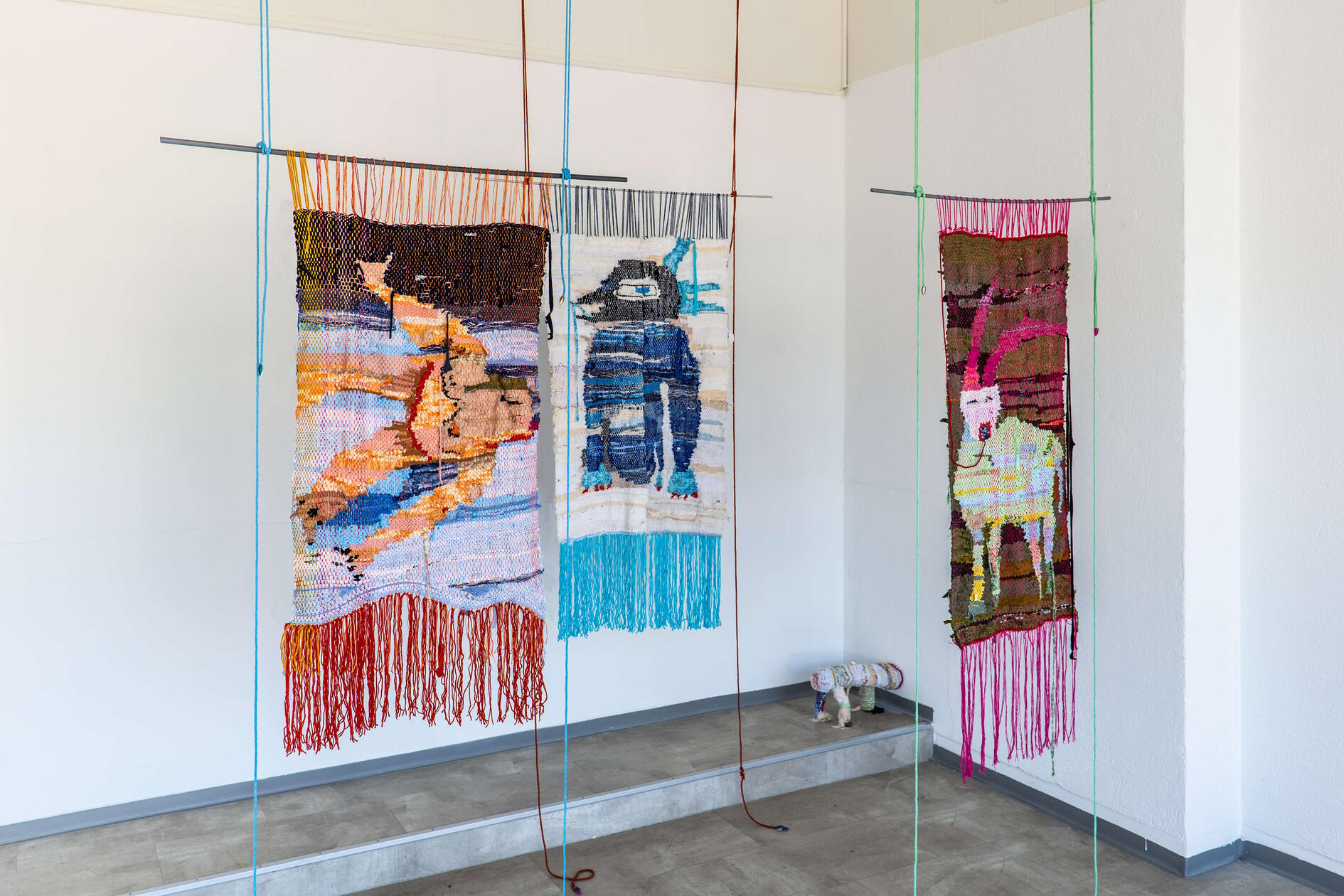
ChoirHand-woven scraps, rope, fake nails, 2025.
The Bone in My Throat
Waschhaus, Thalwil2024
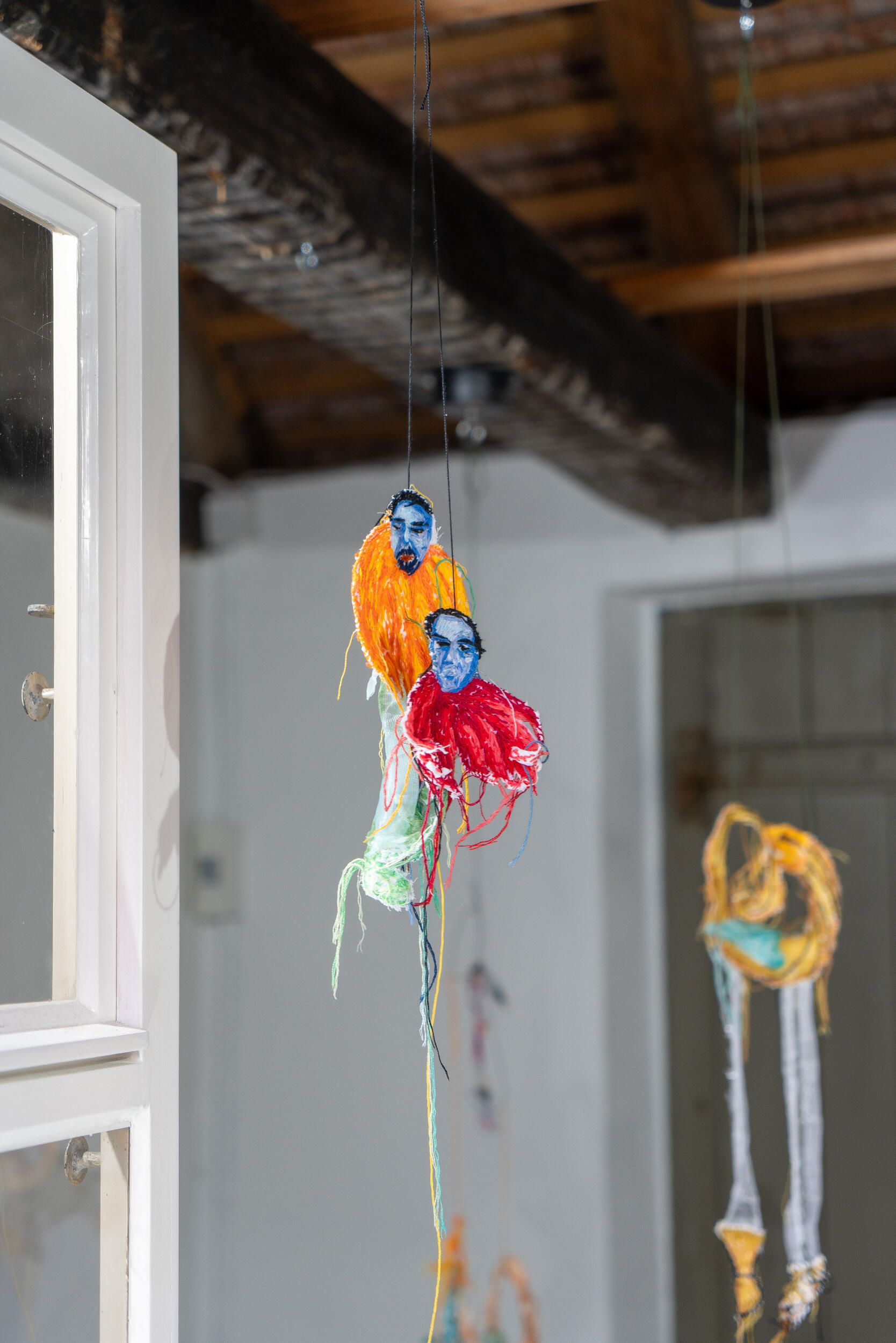
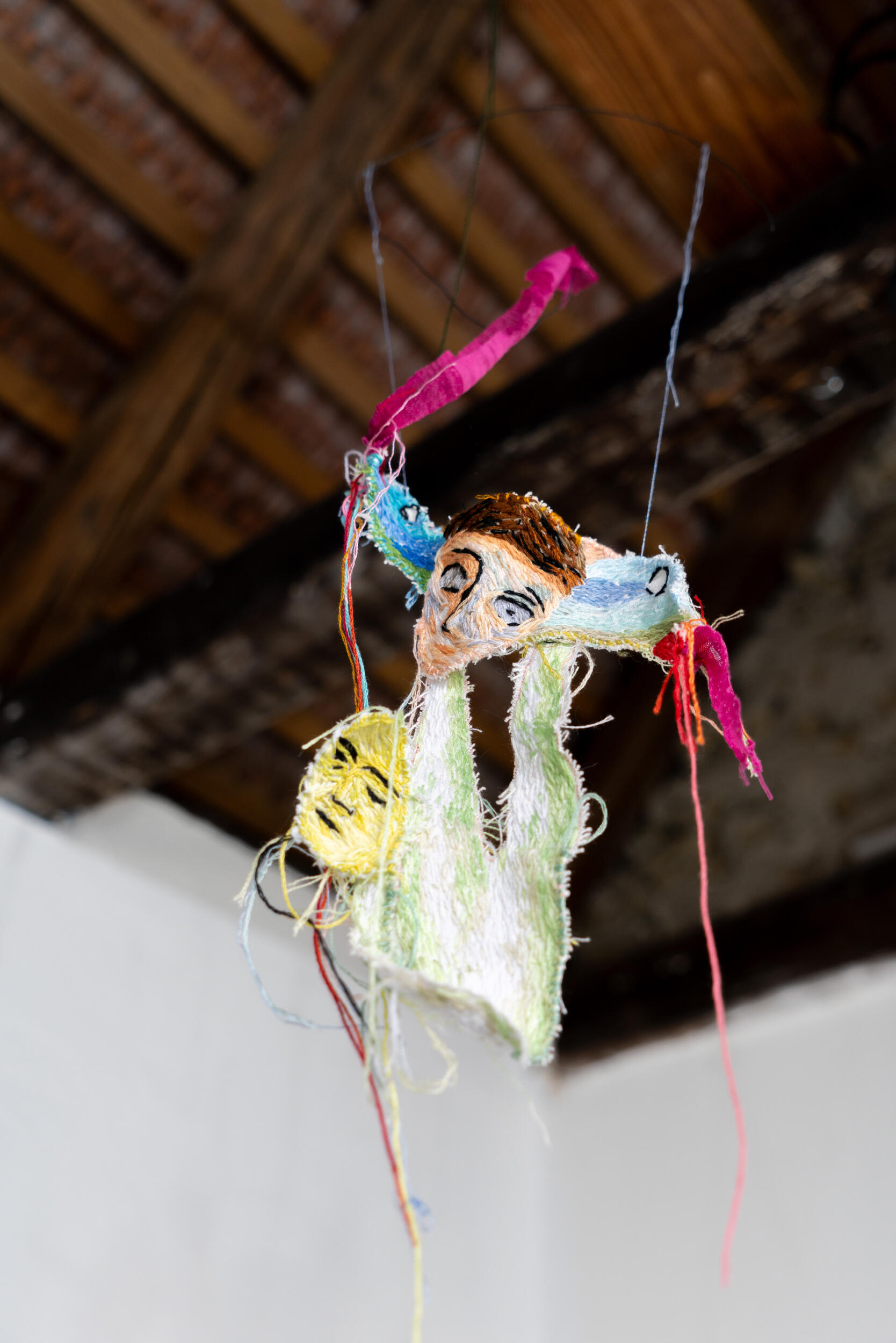
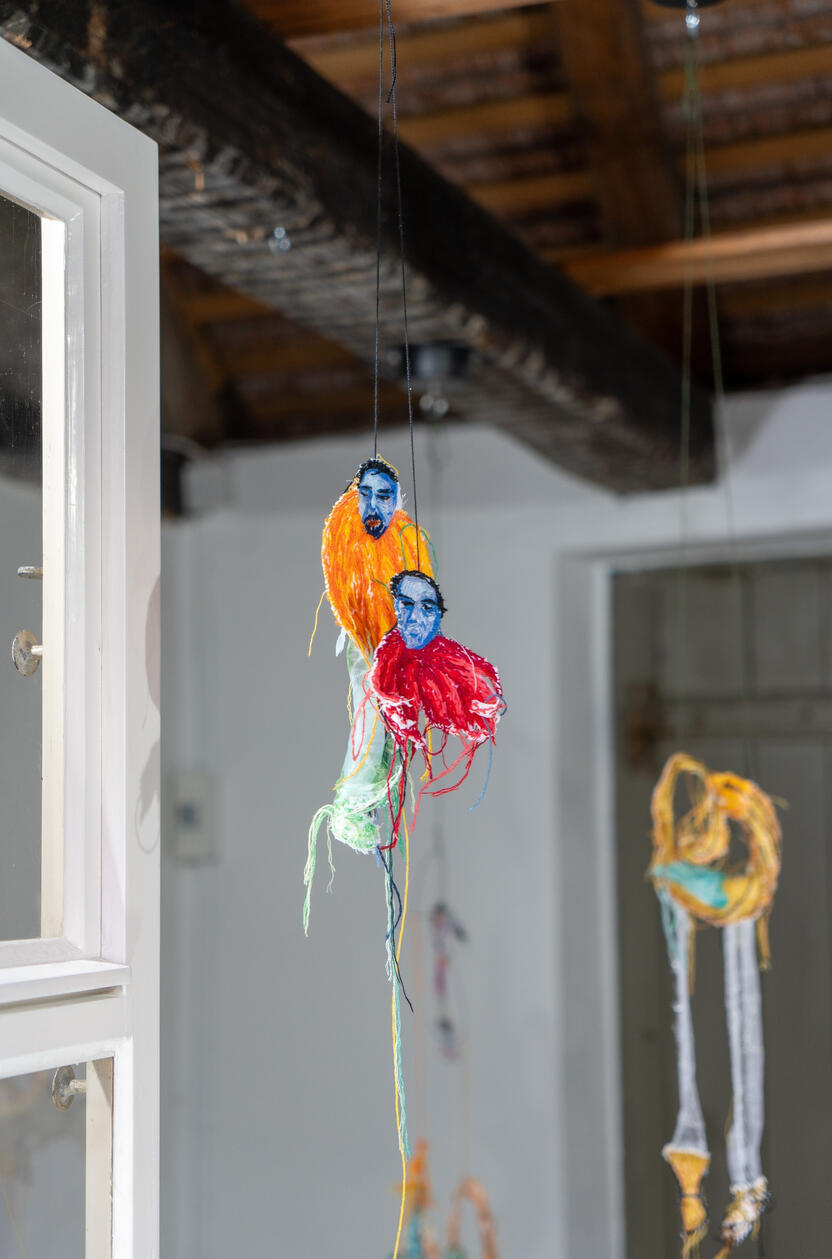
The Bone in My ThroatEmbroidery on fabric, aluminium wire, electric motors.Before the advent of household machines, laundry was both a social activity and a form of labor. With its confinement to the domestic sphere, the communal aspect of laundry vanished, and the labor itself became invisible.Drawing a parallel between this unseen labor of women and the phenomenon of lost socks, I sought to honor the women who once worked in laundries. Through the use of women’s socks and embroidery, I created characters that return as empowered figures, reclaiming their space and asserting their presence anew.Photos: Serap Vitarelli
Killjoy
Kabinett Visarte Zurich
2024
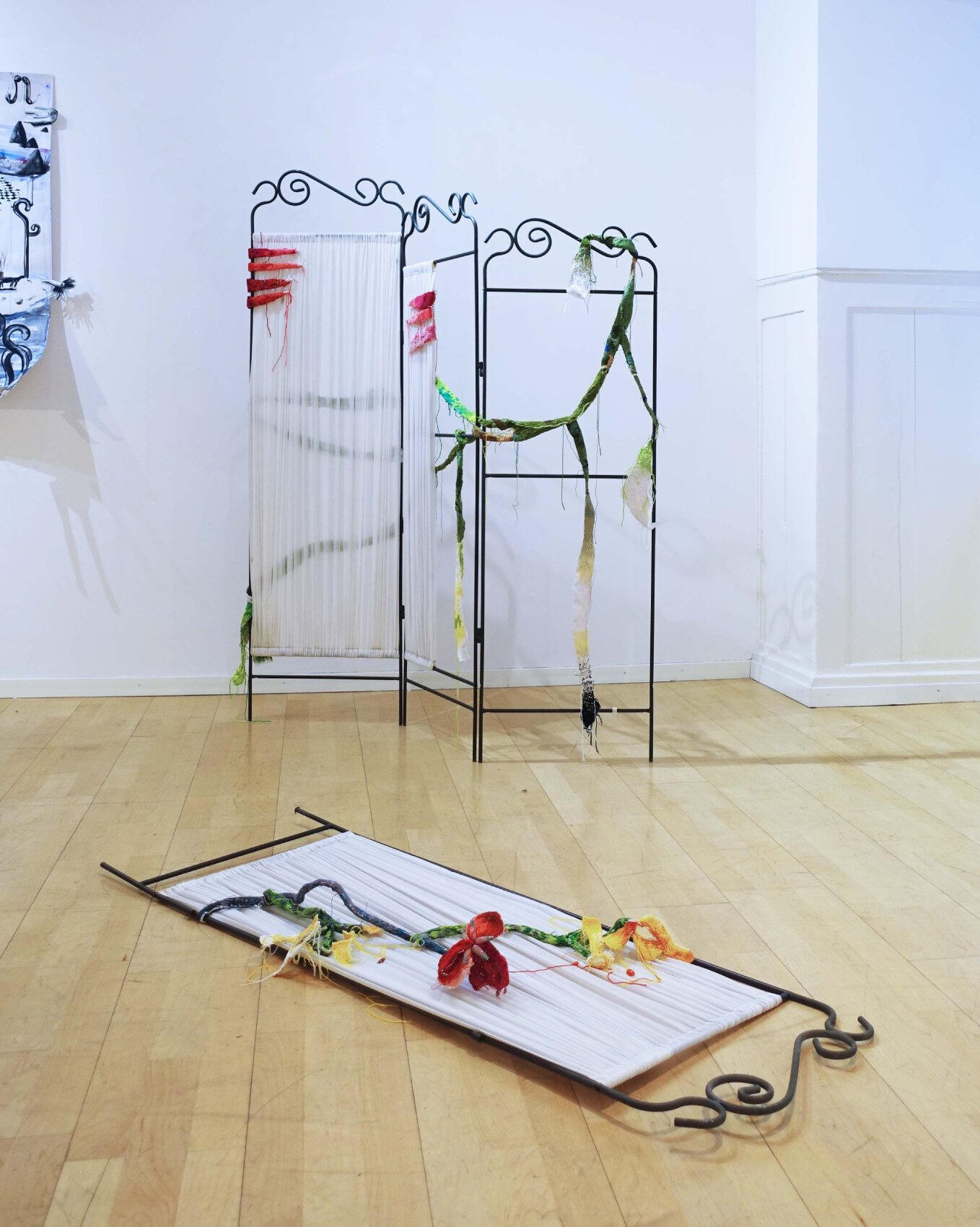
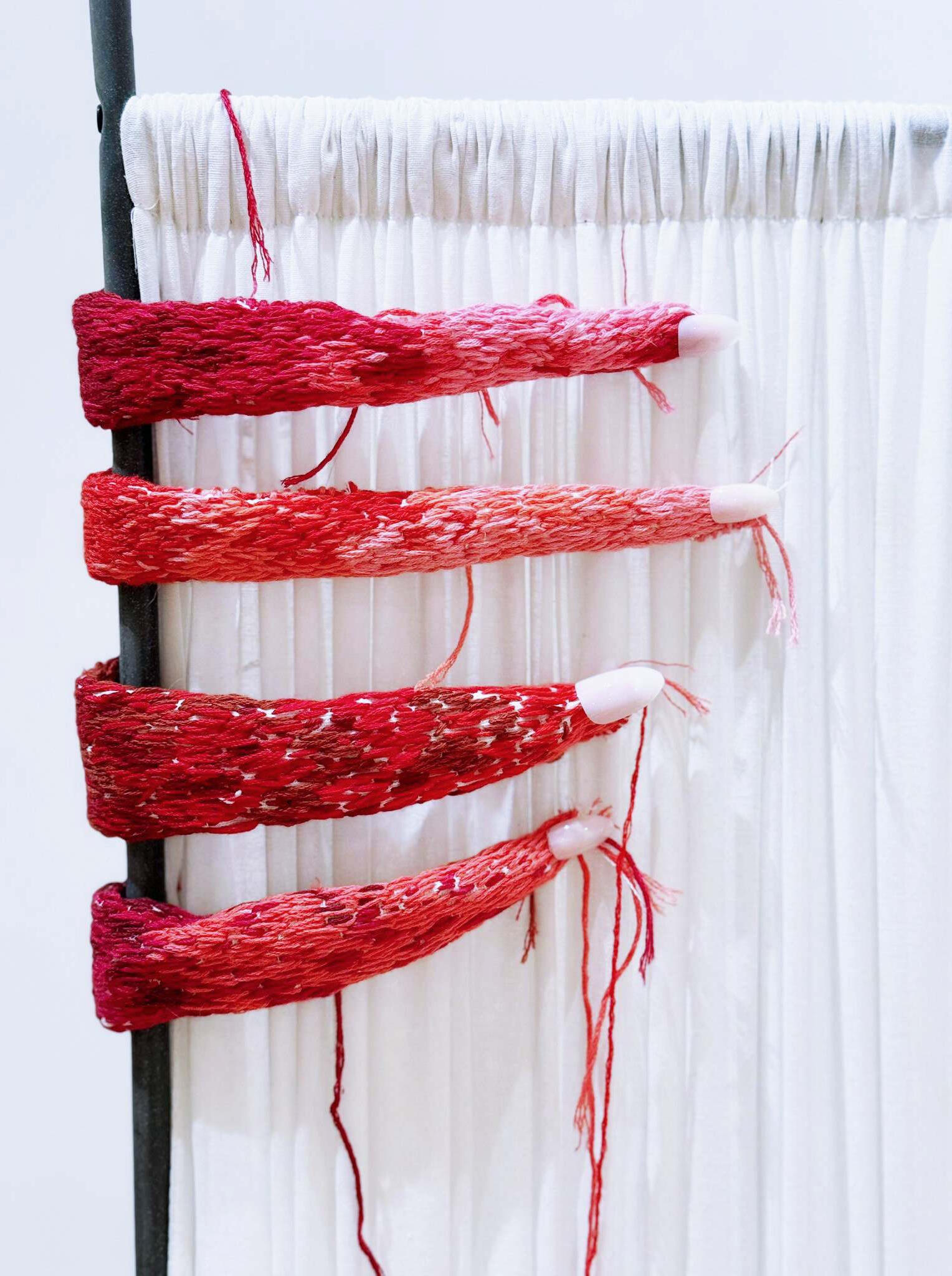
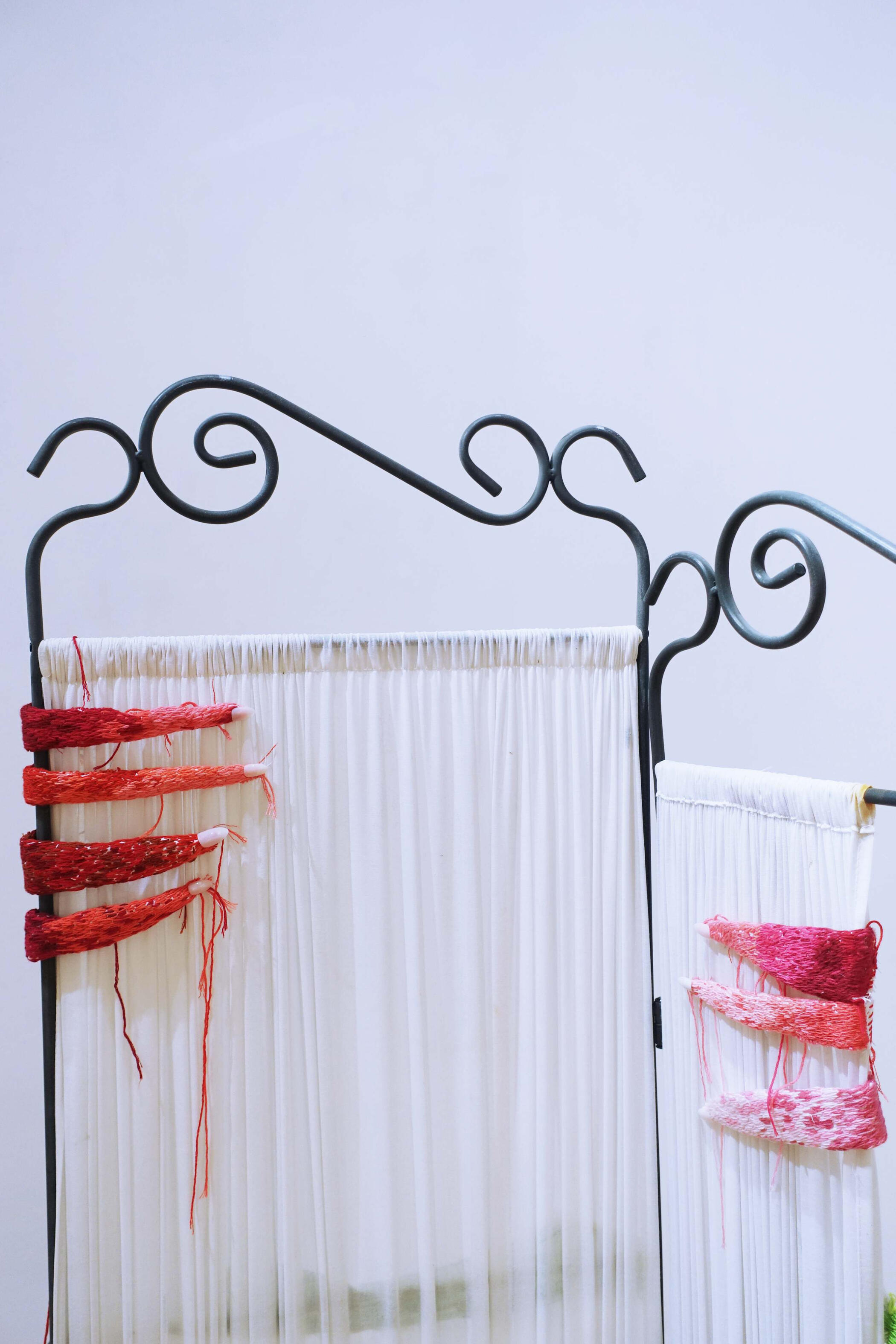
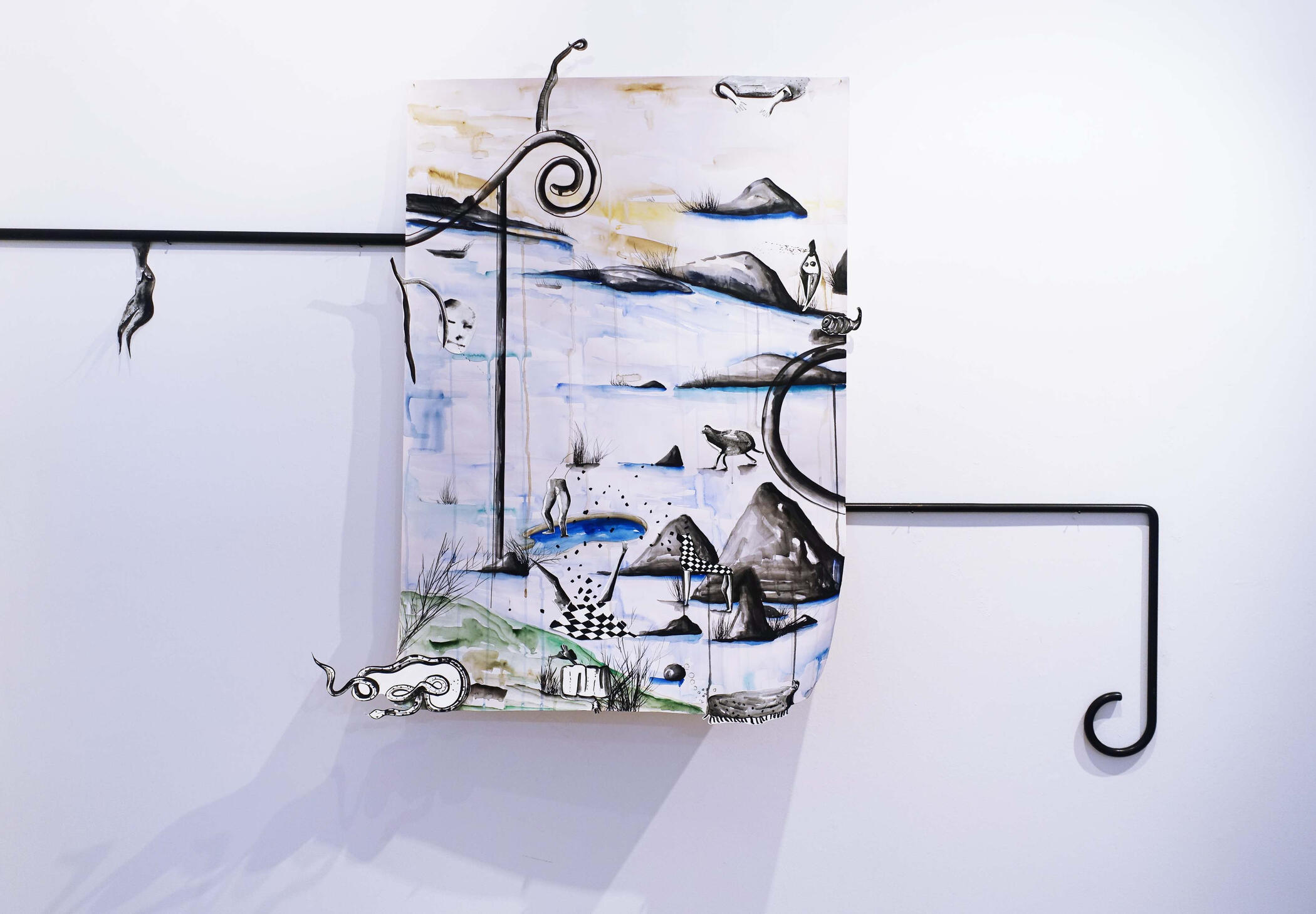
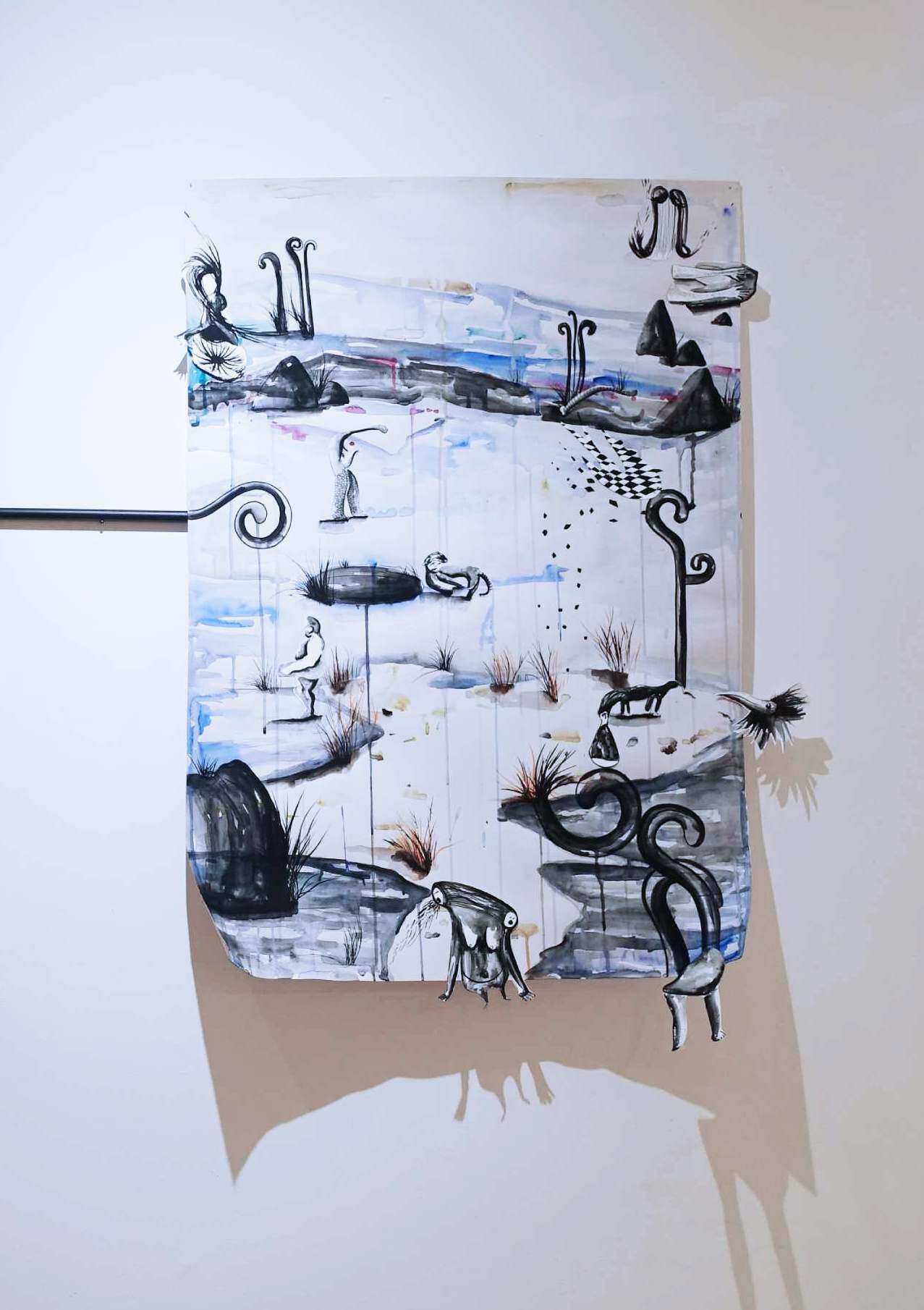
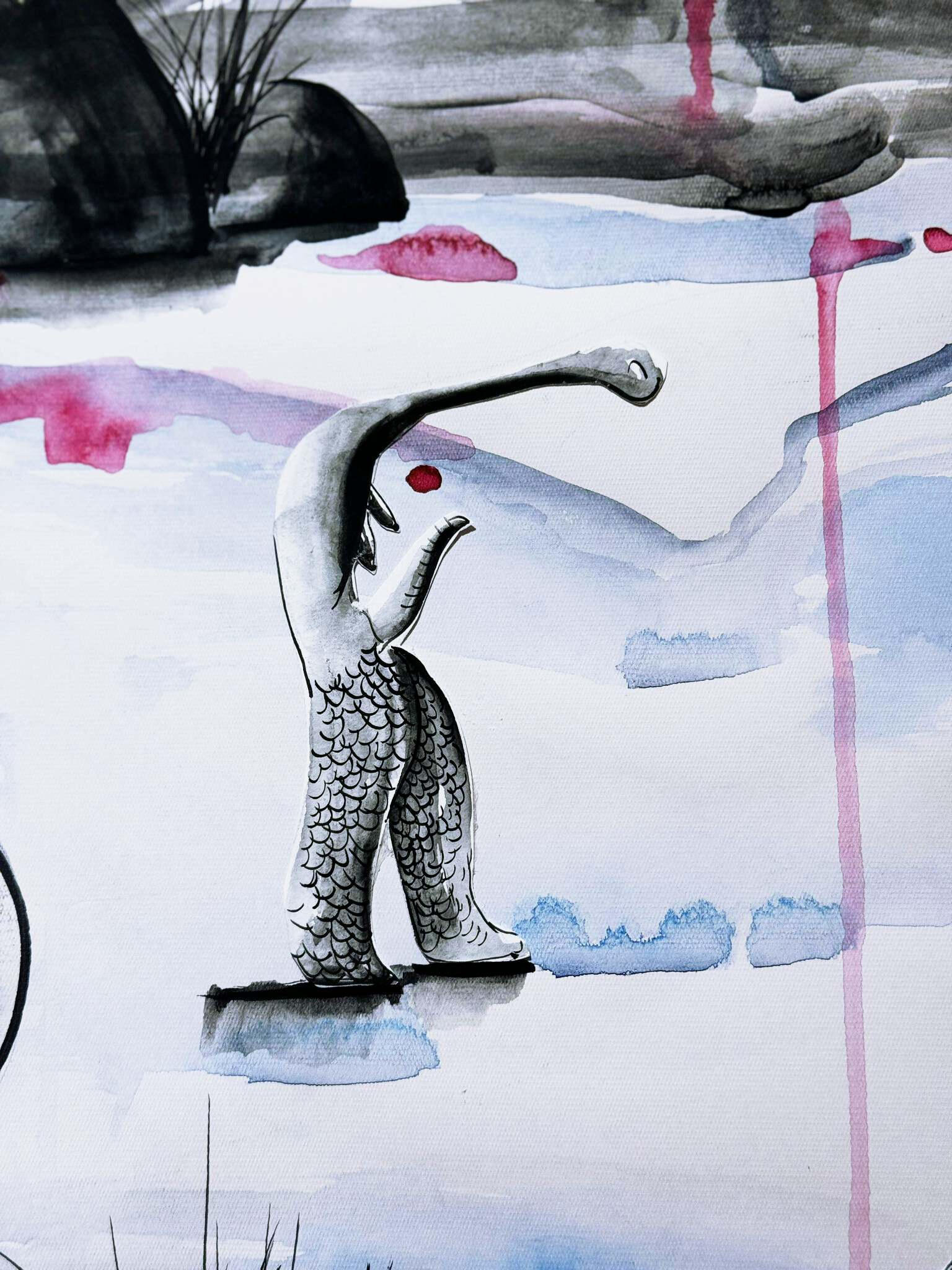
Site specific Installation; Folding screen, aluminium tubes, embroidery on fabric, aluminium wires, fake nails, watercolor on paper. (each)Dear Maggie*It's strange that I read your story years ago and was touched by it now but not then. When I came across your name in Sara's book**, I had the chance to think about it again. That's why I decided to write to you.
I think what struck me most about your story was that you blame yourself for what happened to you. As a young girl you had no right to be willful, so you deserved what happened.
The same actions have different consequences for girls and boys. Because girls' willfulness turns into willpower in boys. I'm sorry that this equation led to your unhappy ending.
It wasn't your fault that you didn't want to obey.
It was not a fault that there was no will to obey.
I will always remember you as strong-willed, willful and good.My bestSeda*Maggie Tulliver. The main character of the book The Mill on the Floss by George Elliot, 1979.**Sara Ahmed, Living a Feminist Life, 2017.
Rose Related
Quartz Studio Turin
2023
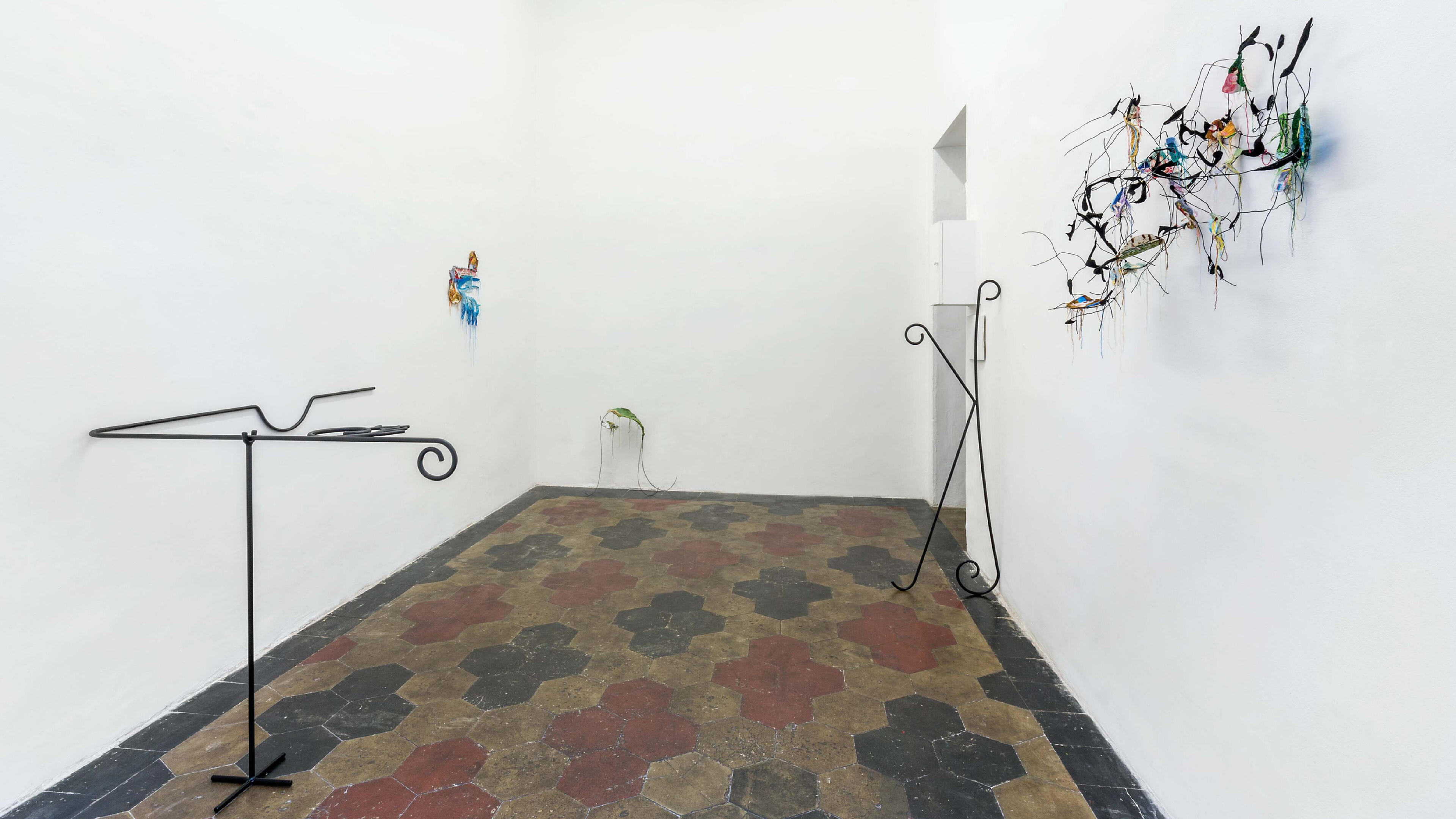
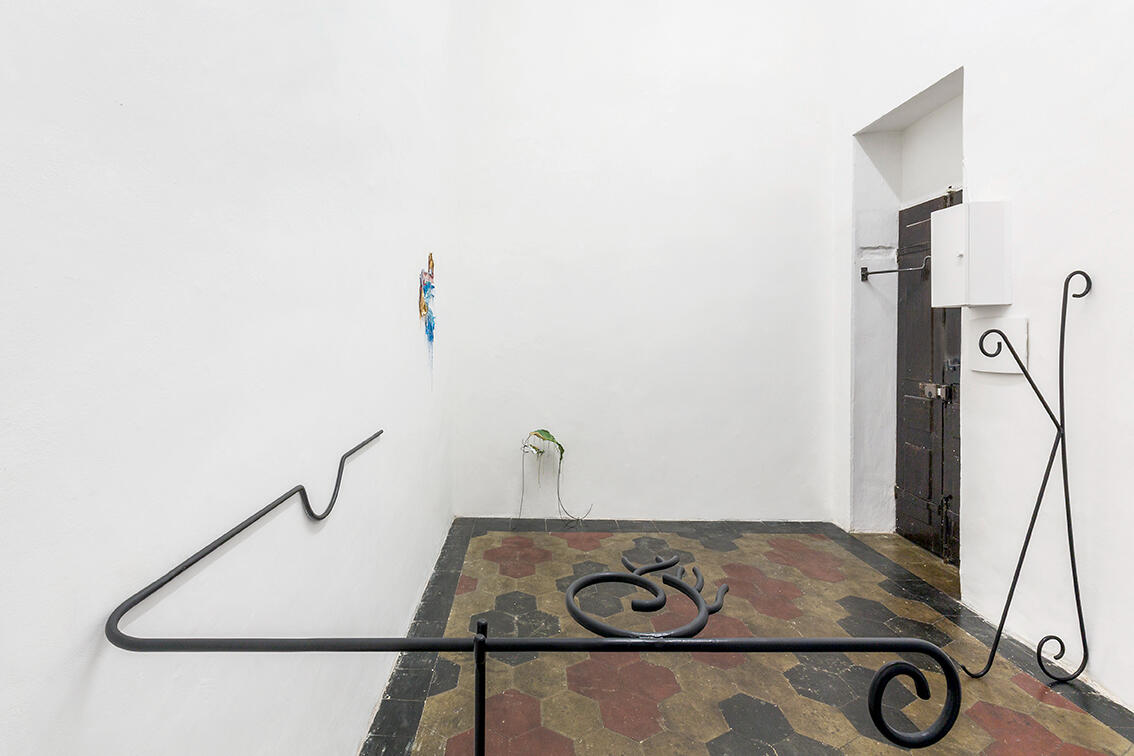
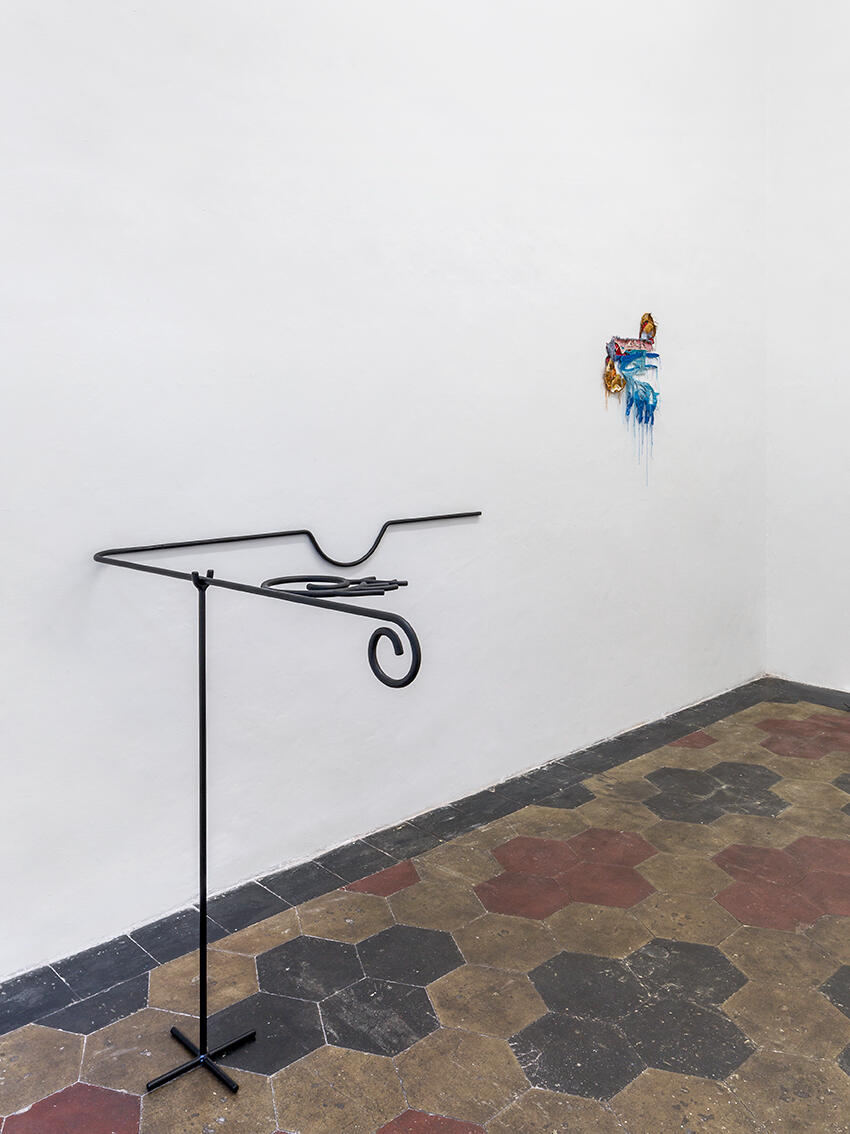
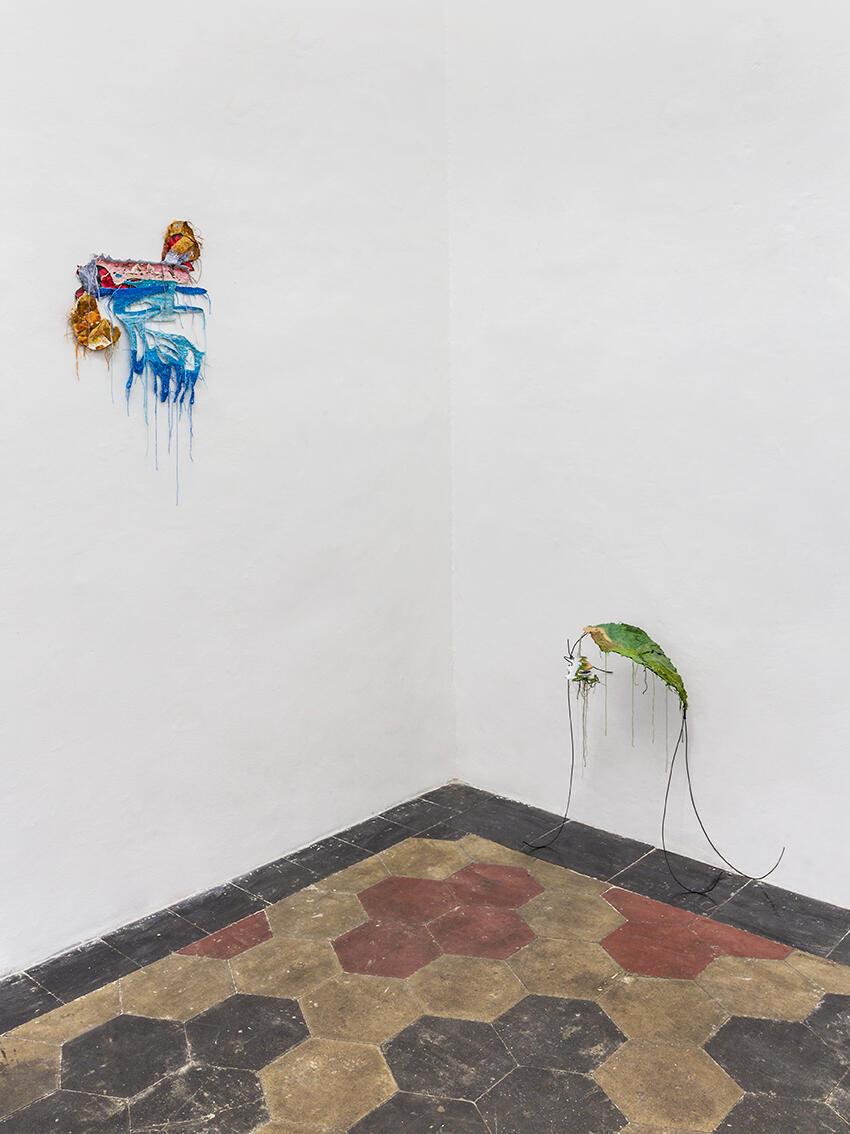
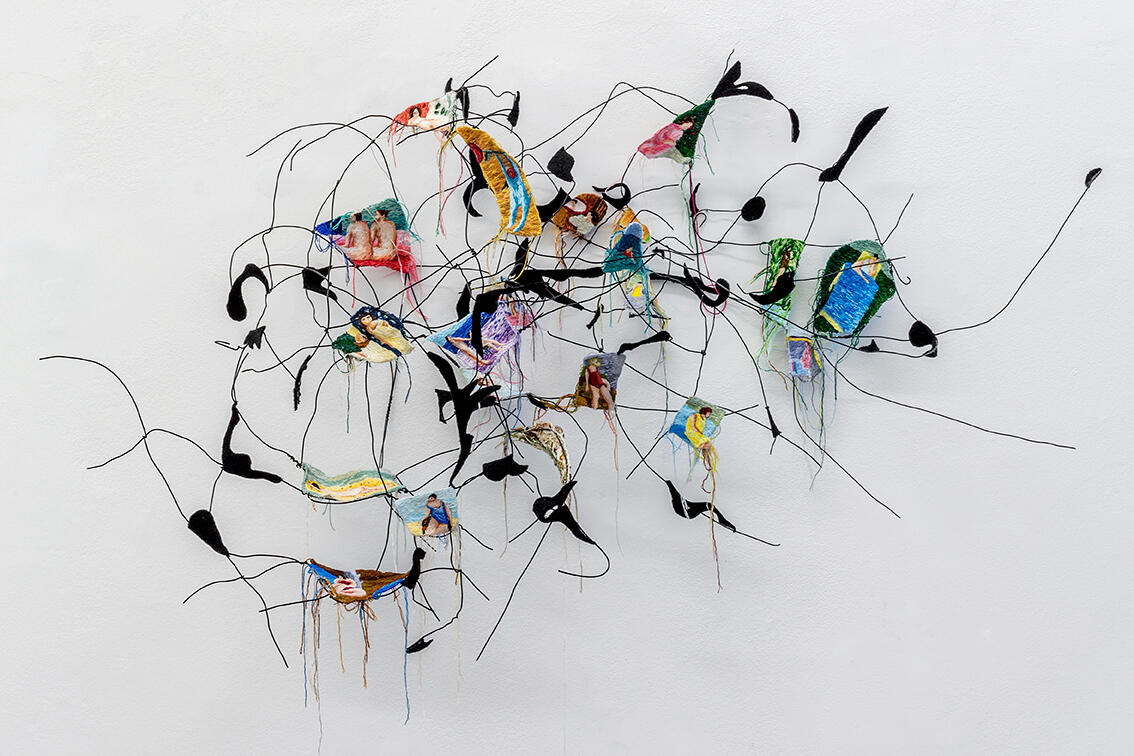
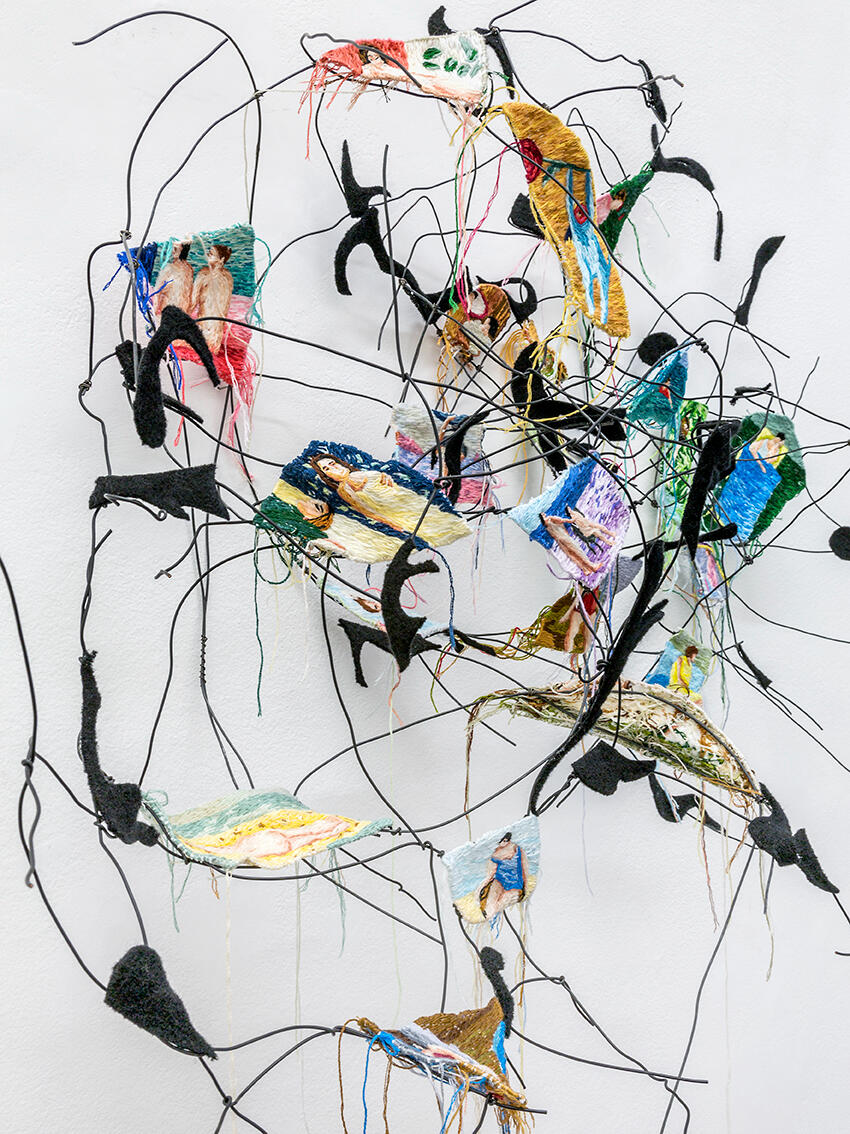
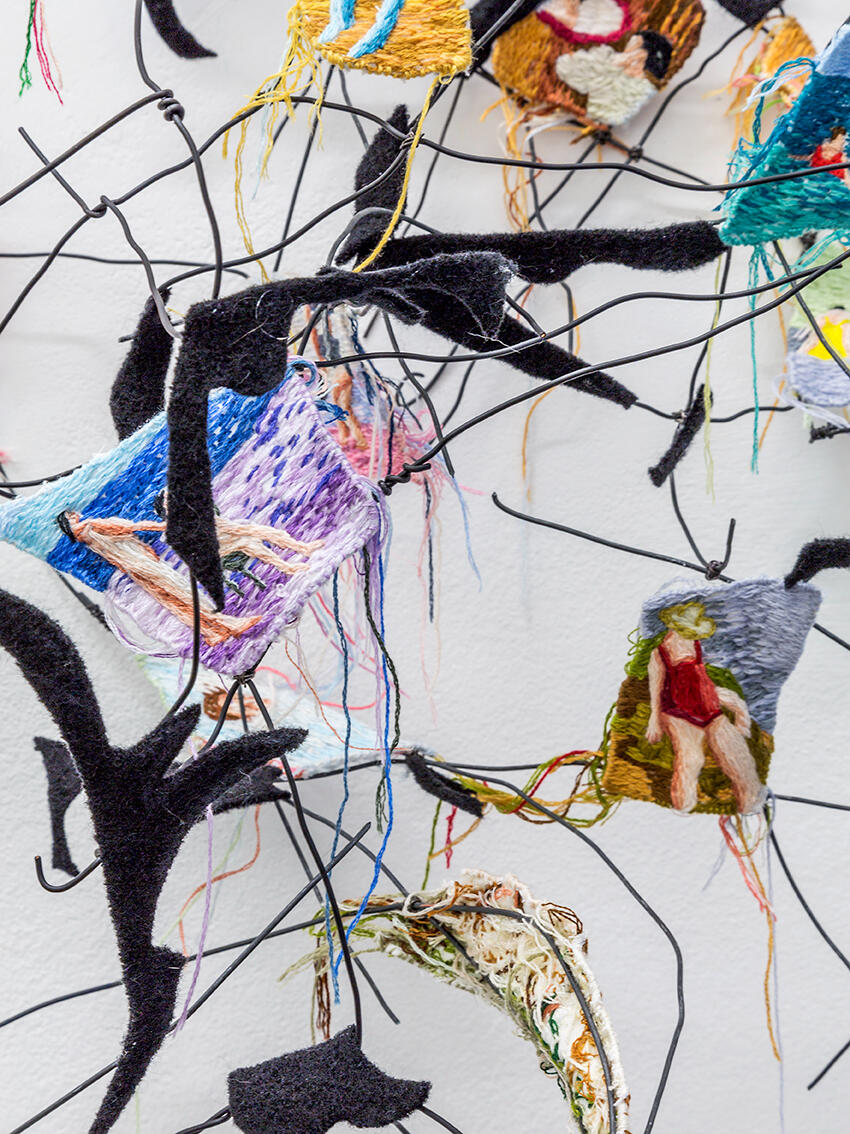
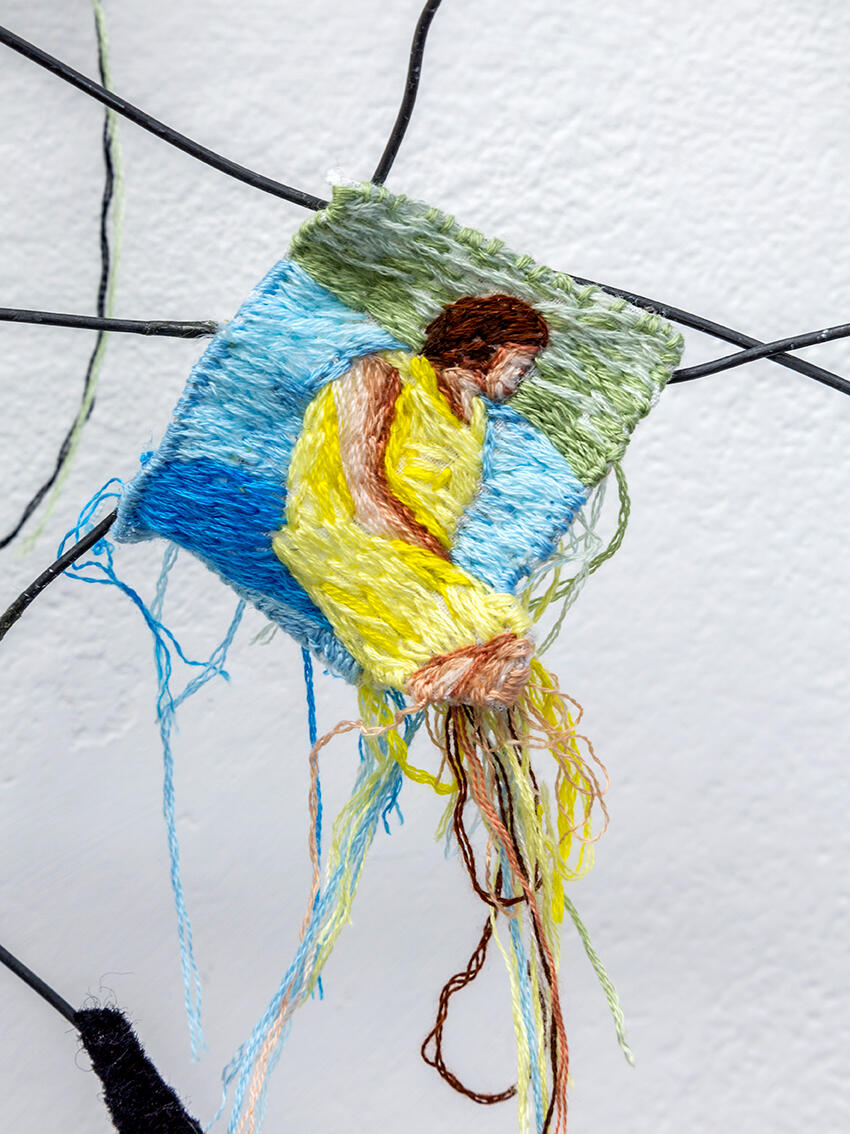
Rose Related
Quartz Studio Turin
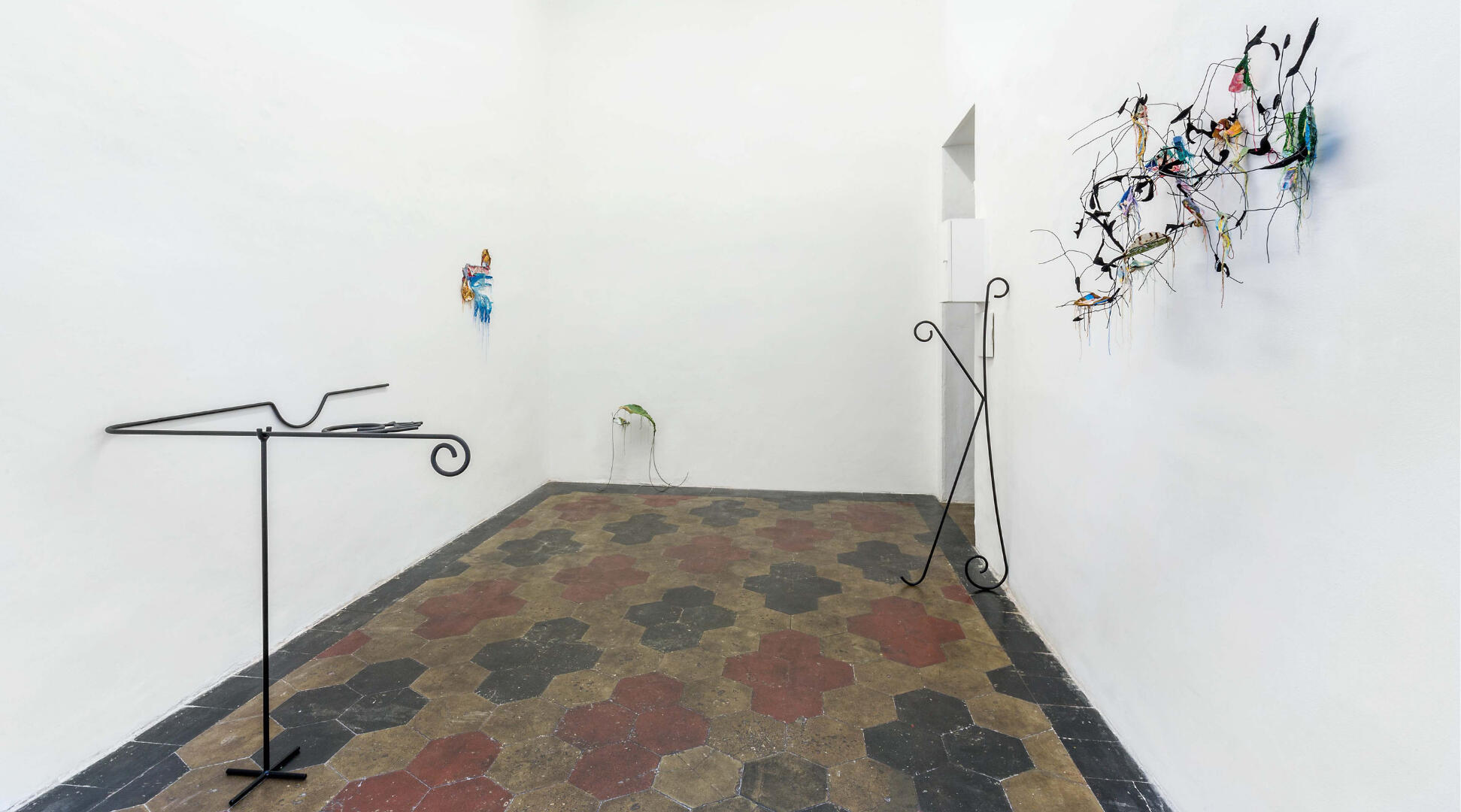
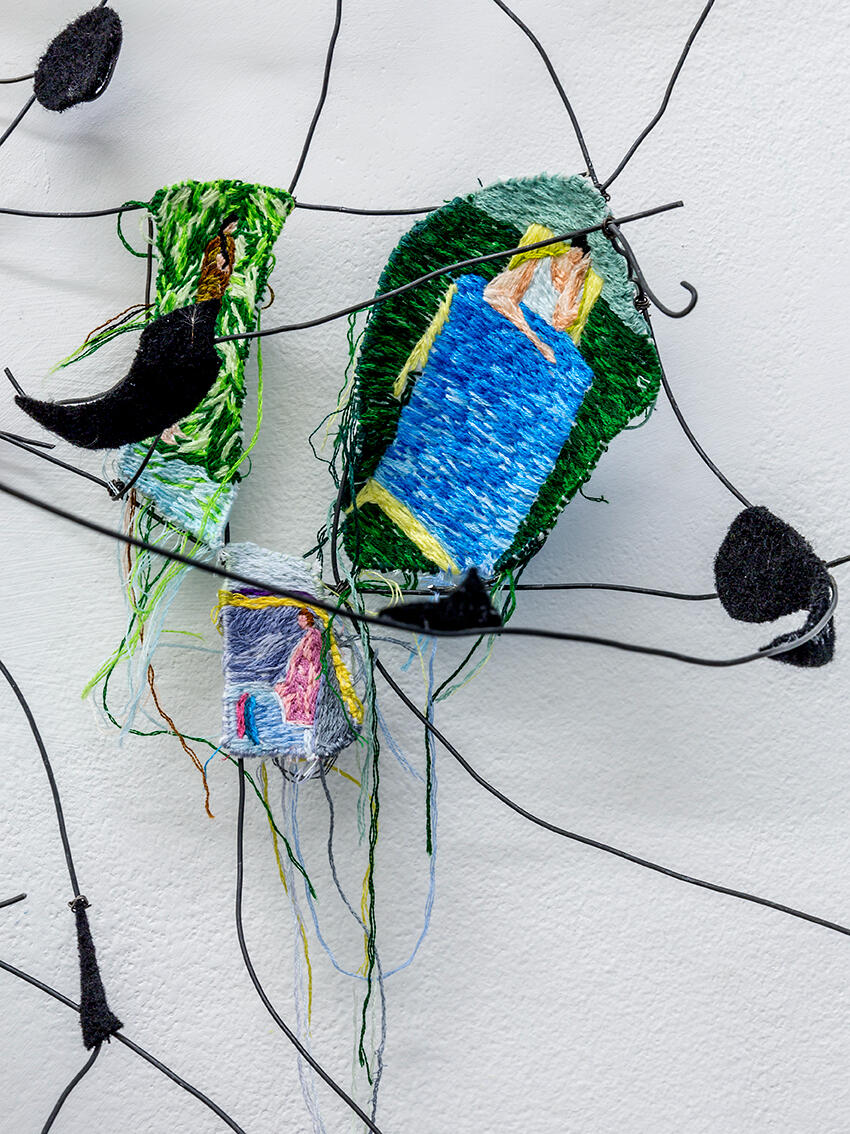
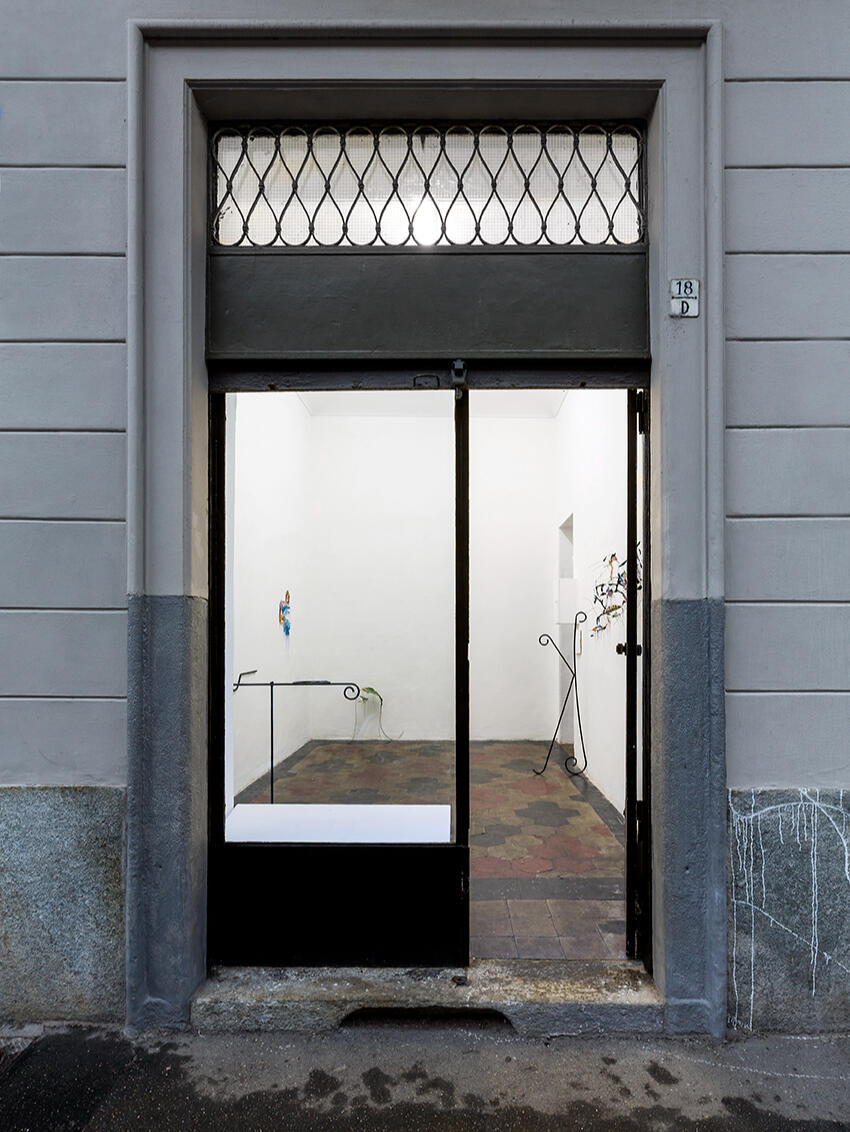
September 12- October 14 2023ROSE RELATED2023Site specific Installation; Aluminium tubes, Black Epoxy, Embroidery on Fabric, Aluminium Wires.Seda Hepsev conceived a site-specific project that draws on revolutionary and unconventional approach to femininity developed by the writer Hilda Doolittle (1886, Bethlehem, Pennsylvania, USA), both in her career and specifically in the verses by the poem “The Garden”, from 1915. The will to generate a new environment, where boundaries of power structures and standardization are challenged and re - read, is created through a clever interpretation and playfulness applied to her practice and to the space. The process of proceeding by layers, already at the base of Hepsev’s poetics conceptually and practically, mirrors the essential and direct imagery of Doolittle’s writing. Simplicity spreads a multiple whirlwind of senses. Gradually entering in “Rose Related”, seen like a personification of natural elements analyzed in the poem, the onlooker is encouraged to make a personal path across the present social imperatives. Geometrical metal pieces, welcoming us at the entrance of the exhibition, reverberate the perseverance of roses thriving in the harshest of environments, among those stones, as burdens to the freedom instinct of the vital breath. The eye continues its dance caught by the dynamic position of signs in the space, until reaching pure lightness and evanescence in the artist’s textile painting. They operate as open-end stories, where universal human phases are recounted with that fluid, falling and collapsing, almost flying, attitude as Hilda references to Greek myths in her compositions. The dichotomous presences of heat and wind, respectively repression and a way to relief and change, are expressed in these artworks. They exist in the liminal space between painting, sculpture and installation, gathering threads, wires, shadows and lights all together. There is a movement, an elegant pirouette, similar to a breeze, very subtle but strong at the same time, pushing towards a renovated vision on the rich ‘Garden’ of representation and identity. All the project is permeated with a peculiar feeling: the one of freedom and indifference that Hilda Doolittle demonstrated against the confinement of her time conventions. This unconcerned behavior is not a frivolous one, but stems from self and social awareness, in order to arrive to the capacity of overflowing beyond the thinkable horizon. Seda Hepsev’s “Rose Related” is not a self-dialogue or a message directed just to the women audience. This project is an important manifesto for everyone to self - actualization.Text by Caterina FondelliPhotography: Beppe Giardino
City of Zurich Art GrantsHelmhaus Zurich16.07-04.09.2022
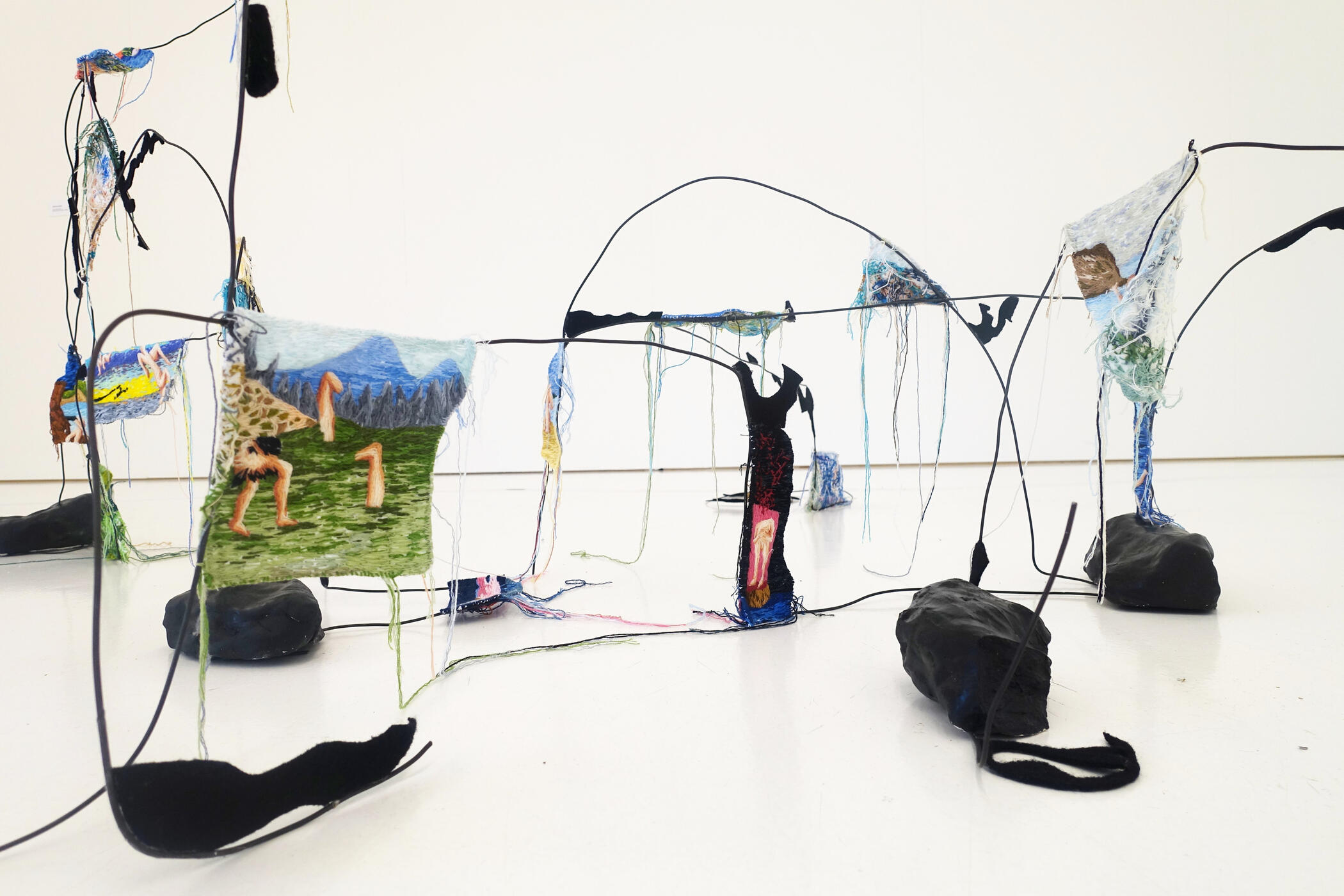
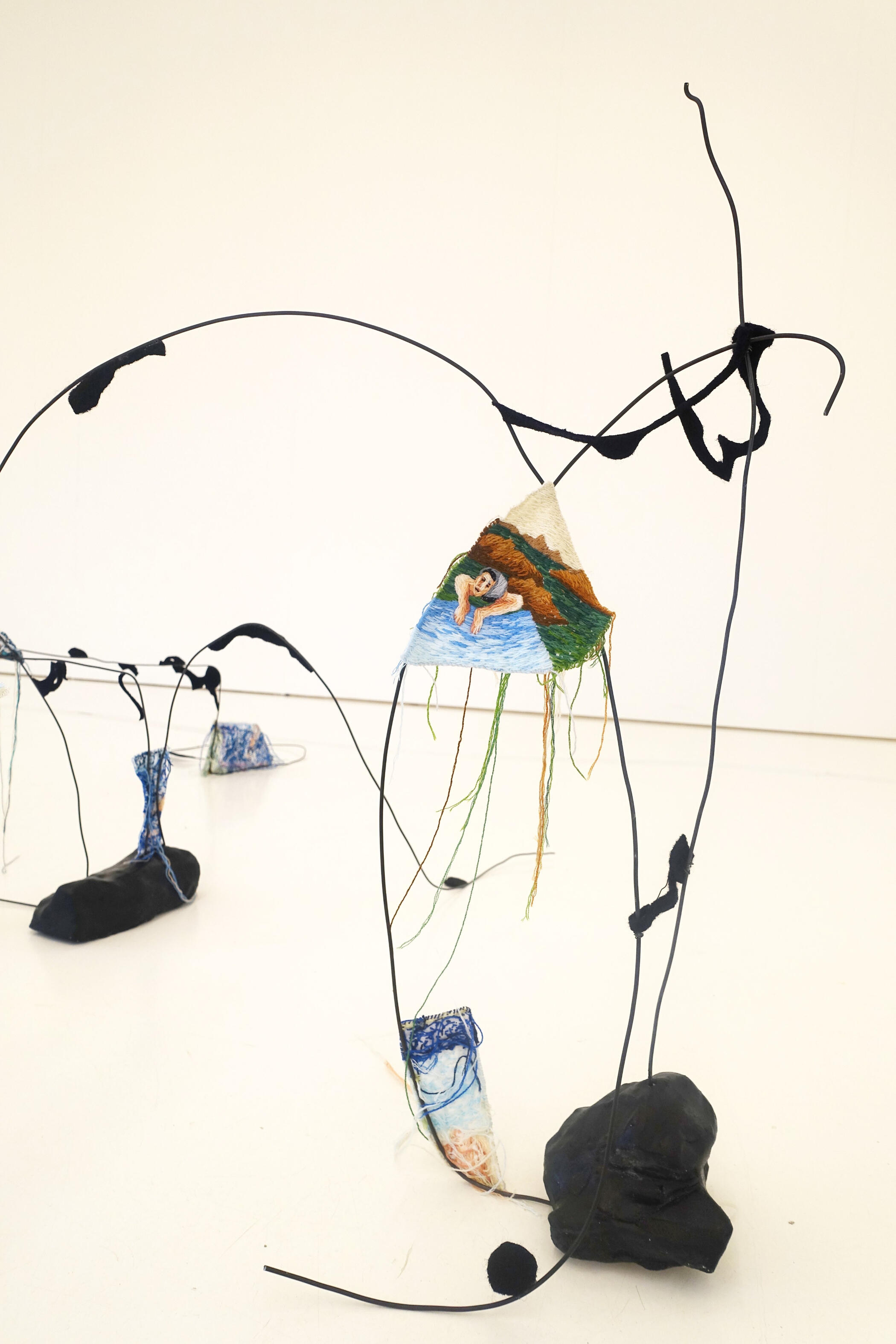
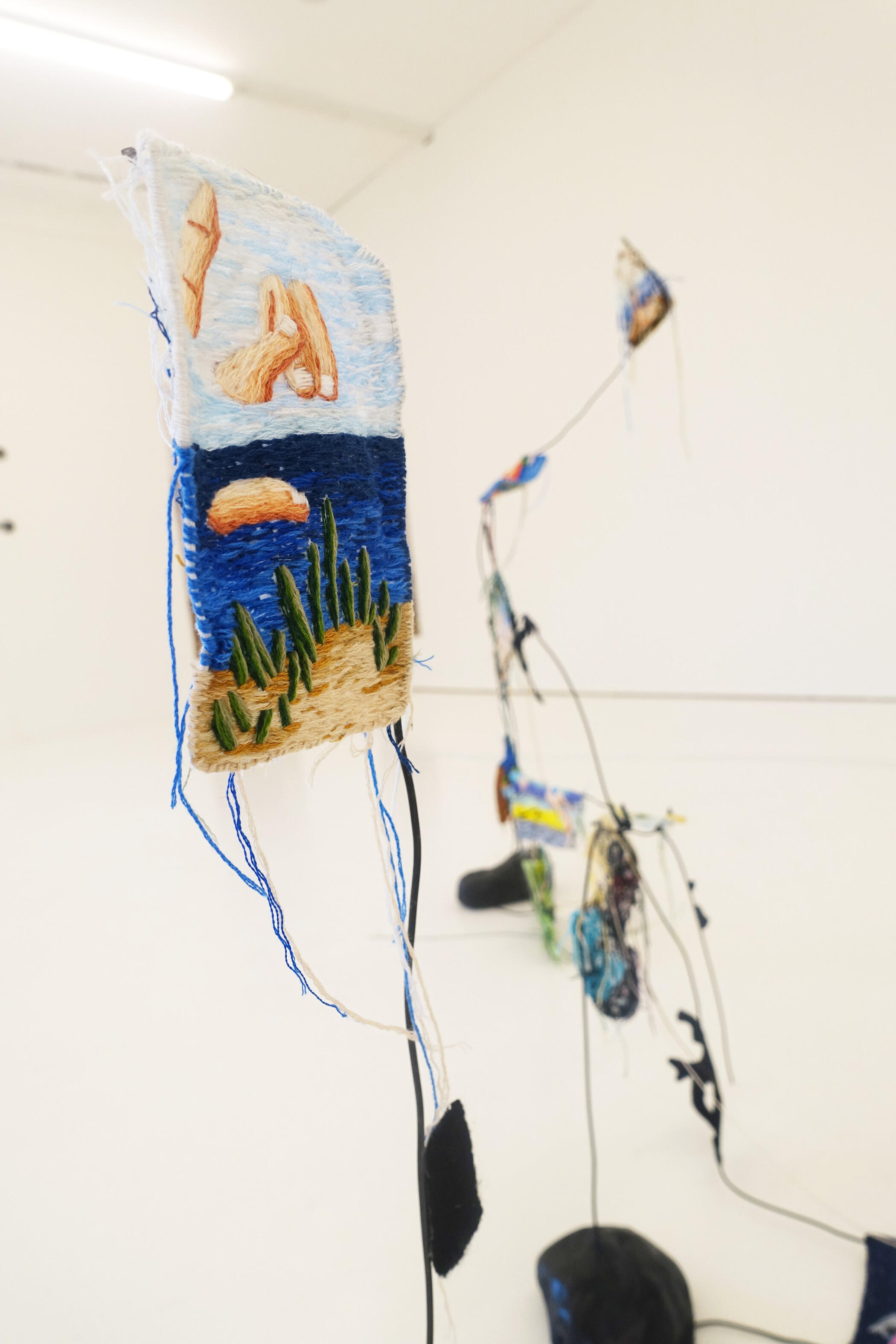
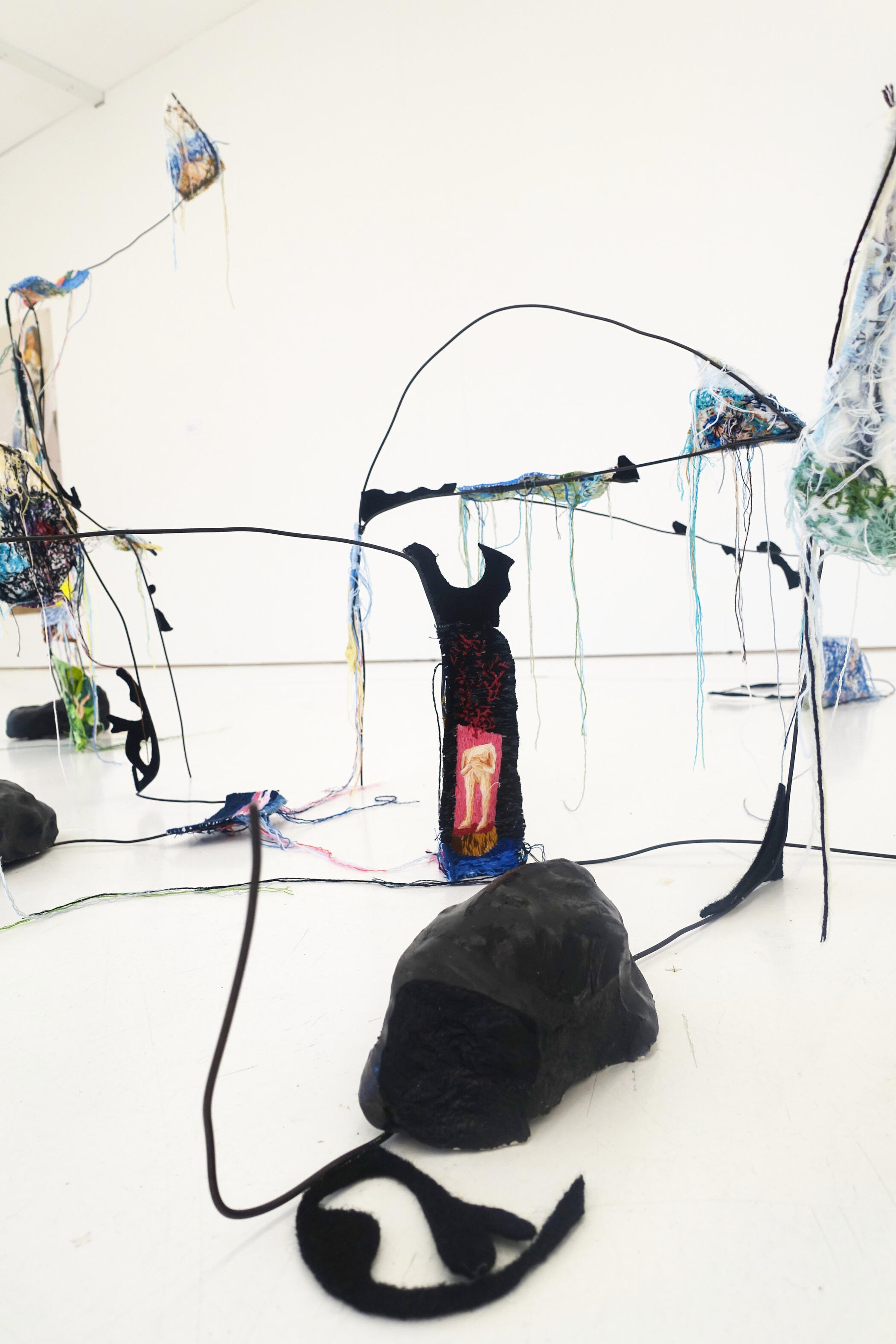
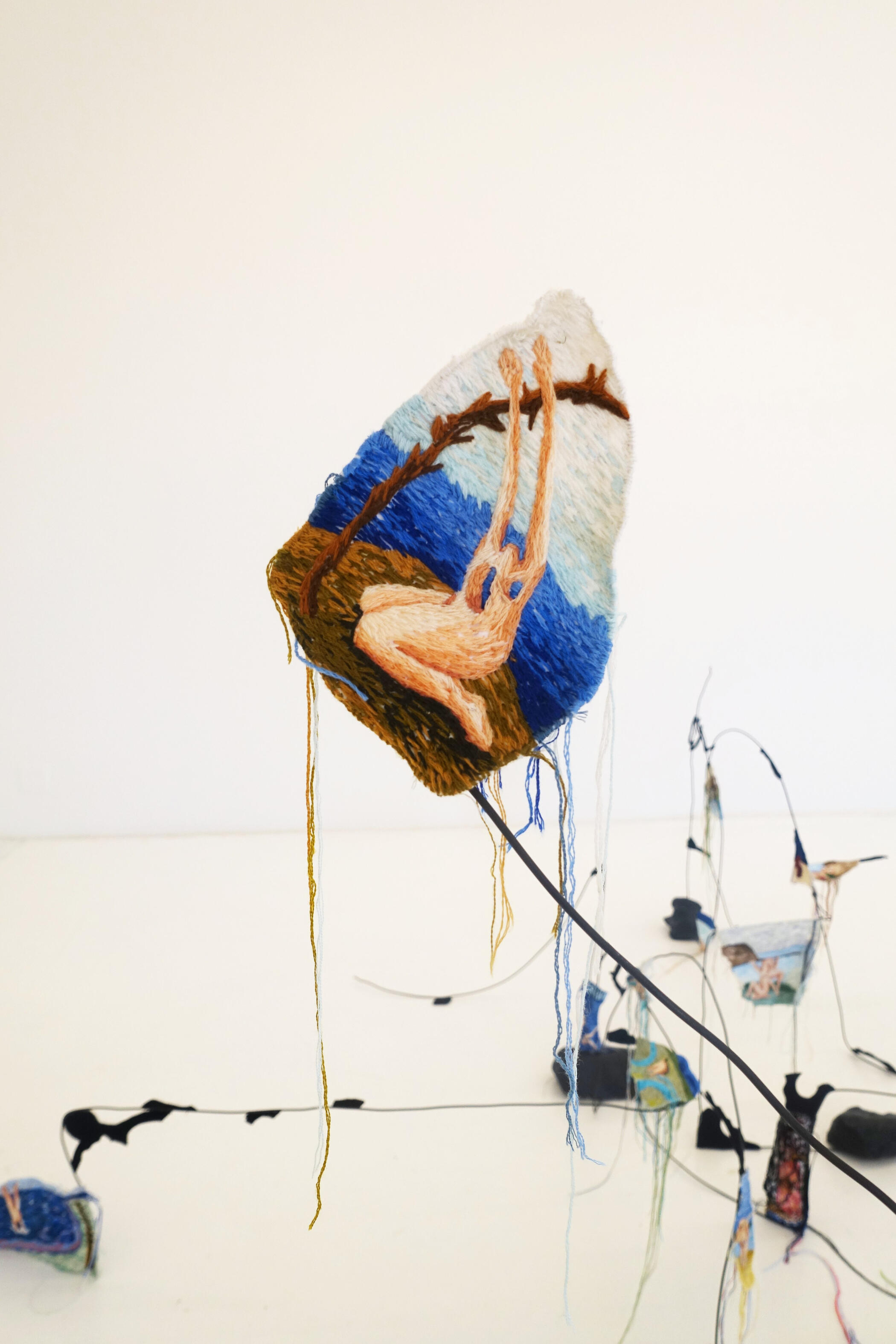
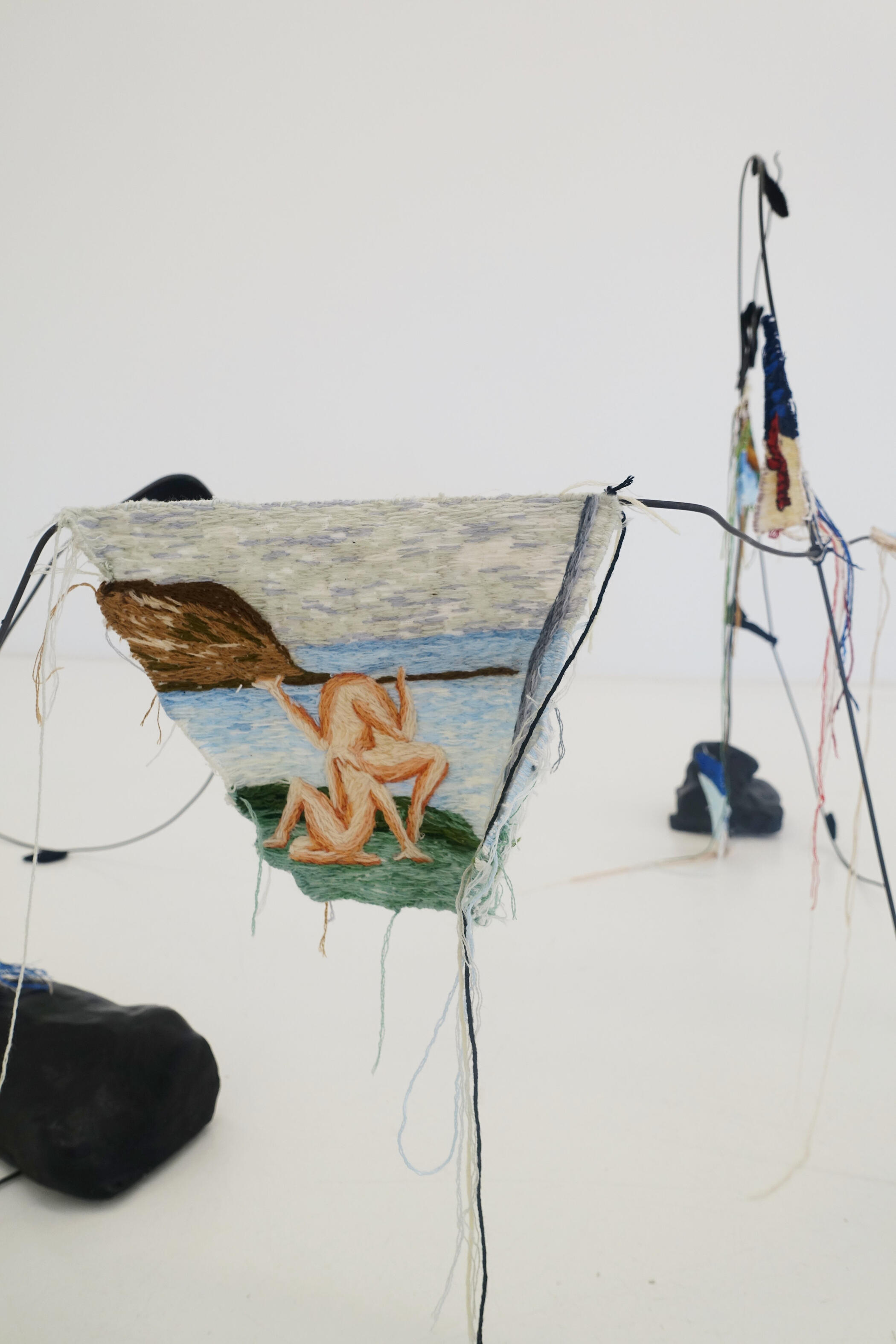
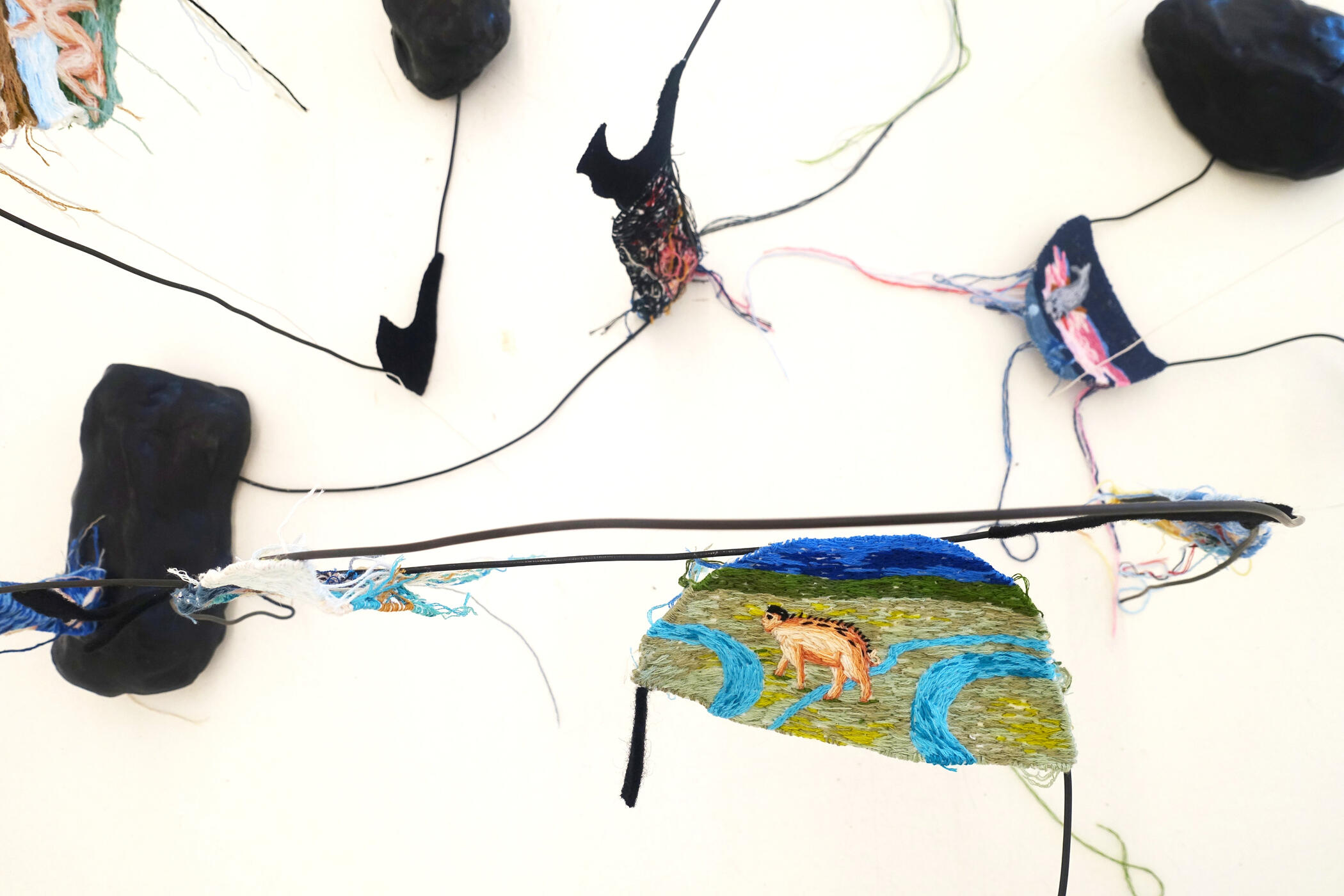
Island of Wham
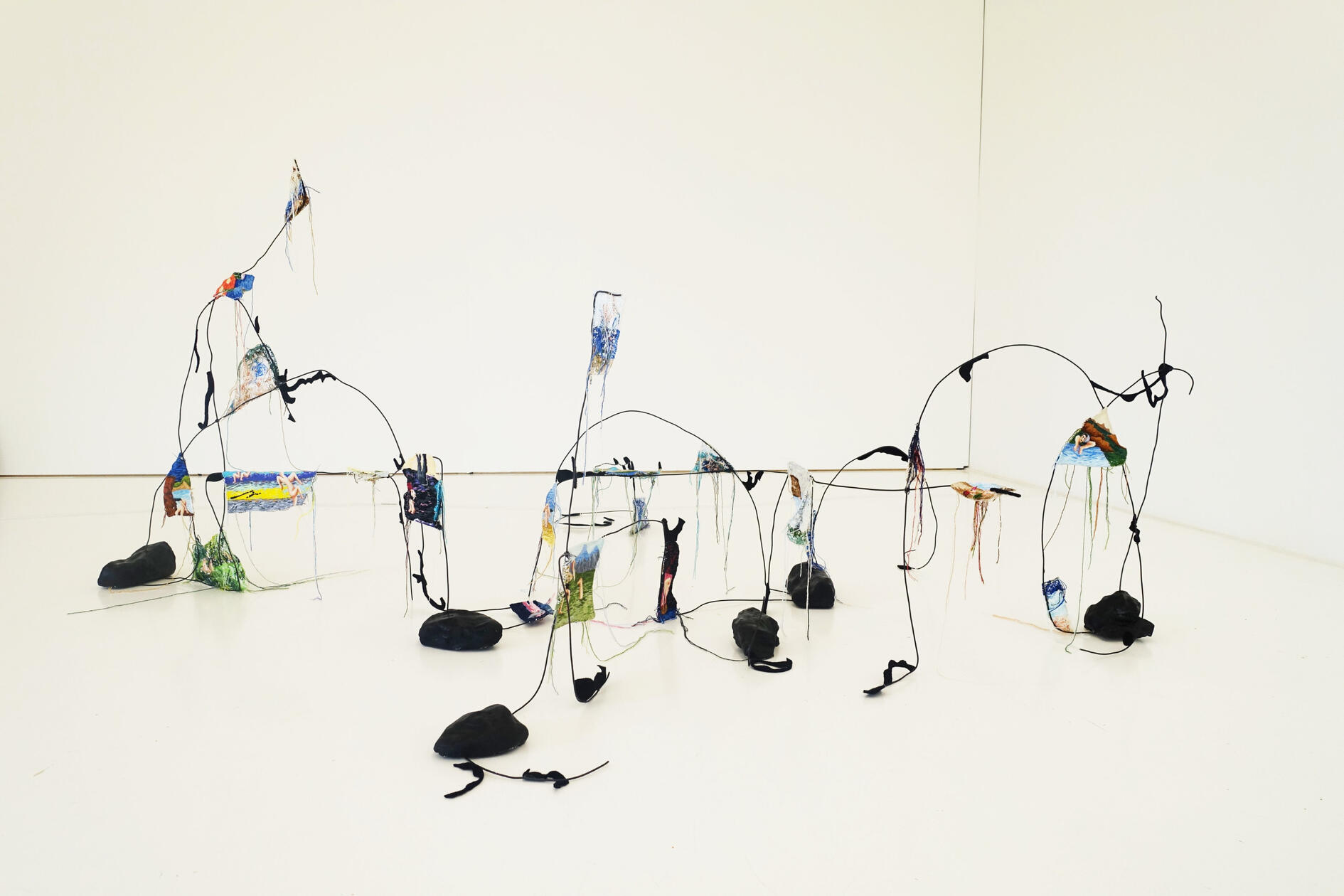
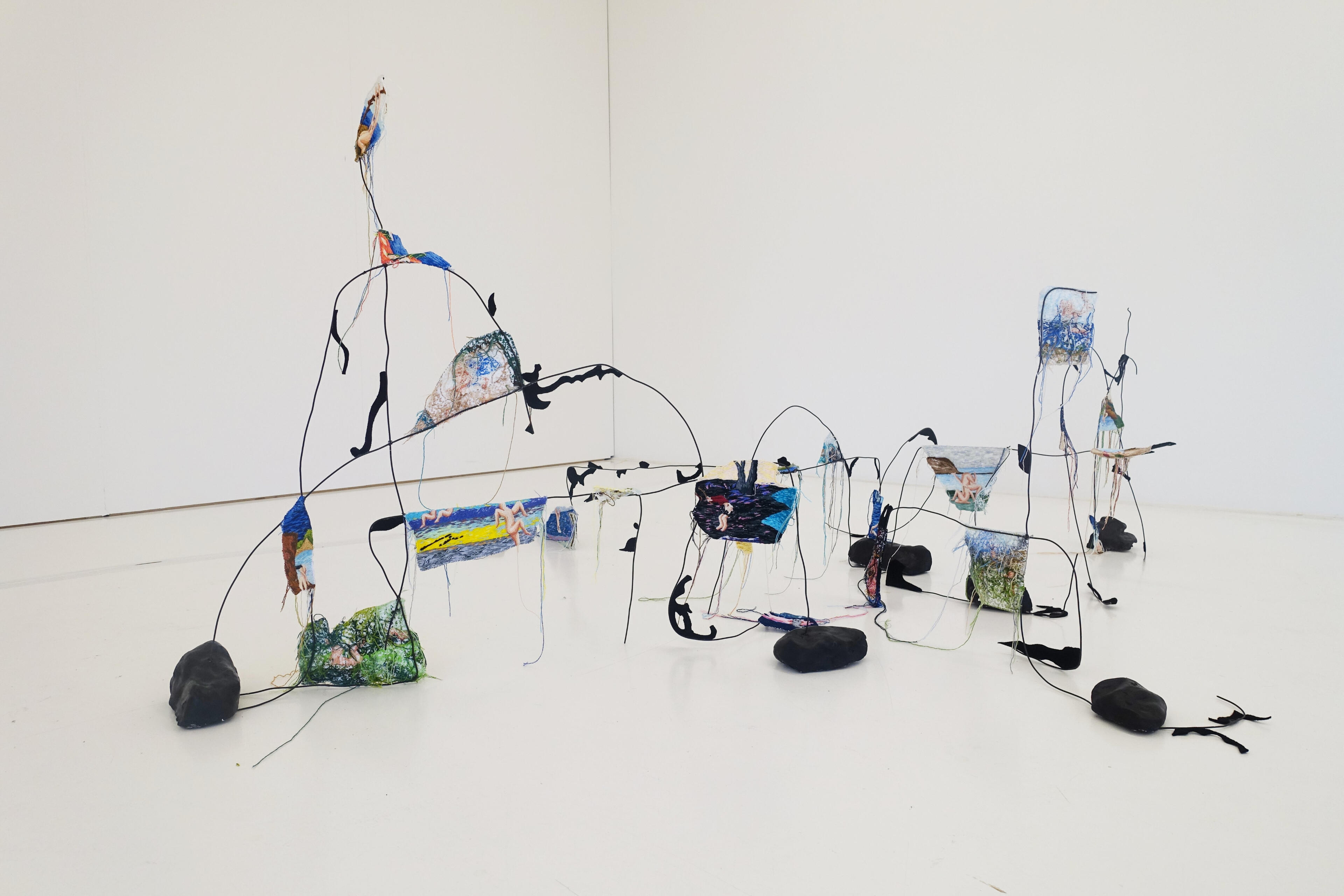
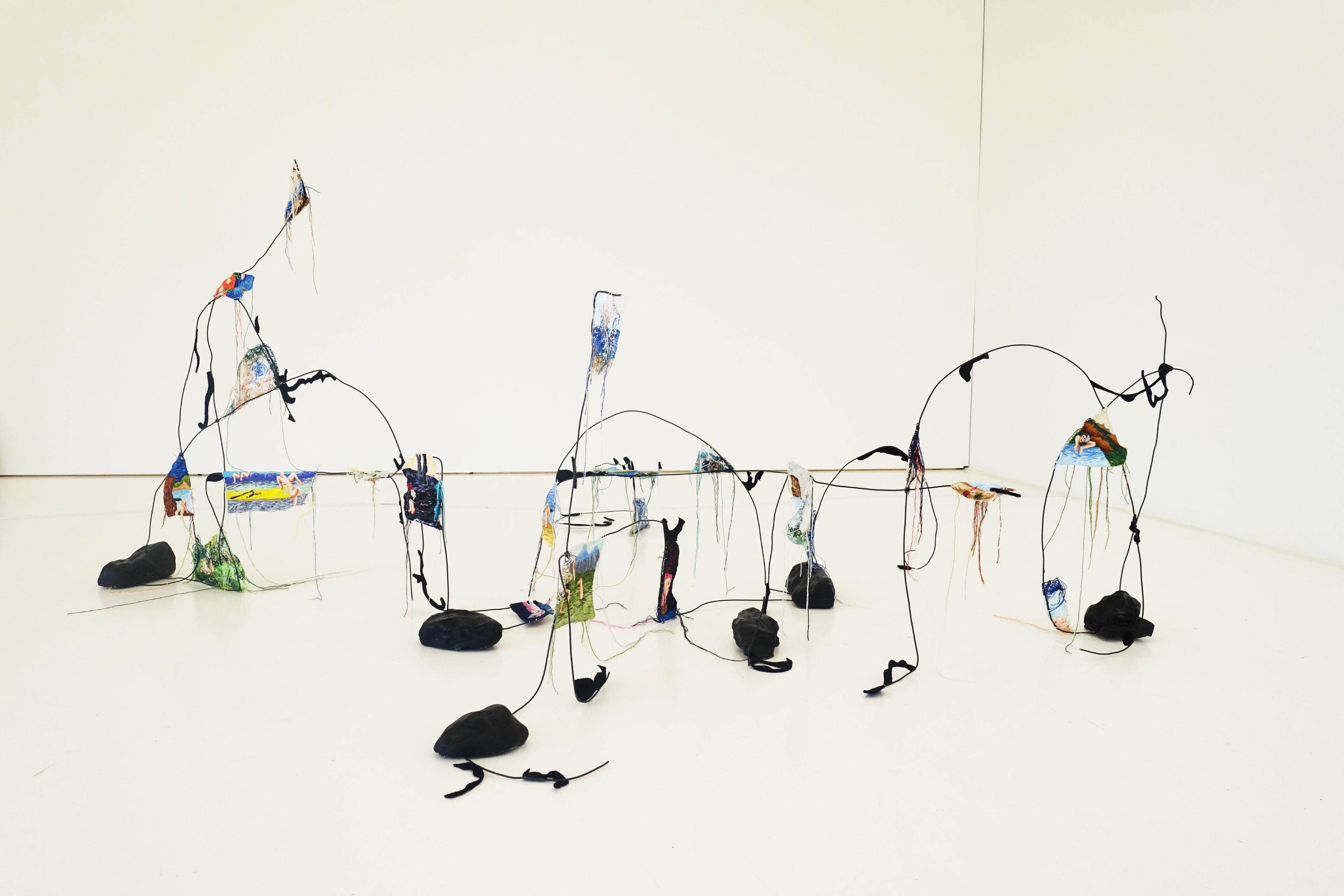
Embroidery on linen , wire, clay, fabric, 2022.The floor installation Island of Wham consists of black-painted lumps of clay connected by a network of metal cables. Here and there scraps of fabric hang from the cables, which are embroidered with figurative scenes. We recognize humanoid beings moving in different ways through coastal landscapes. The work represents an interpretation of the children's book Pezzettino, in which a square searches for other squares to become more complete. On the Isle of Wham, Pezzettino breaks apart into many small squares and finds that everything he was looking for was already within him.
The artist understands her work as a commentary on feminist theory, for which there is no inadequate, incomplete or defective woman and no clear definition of femininity. Like Pezettino in the children's book, the woman already has everything within her that she can be or become.
Swiss Art Awards
Messe Basel
13-19 June 2022
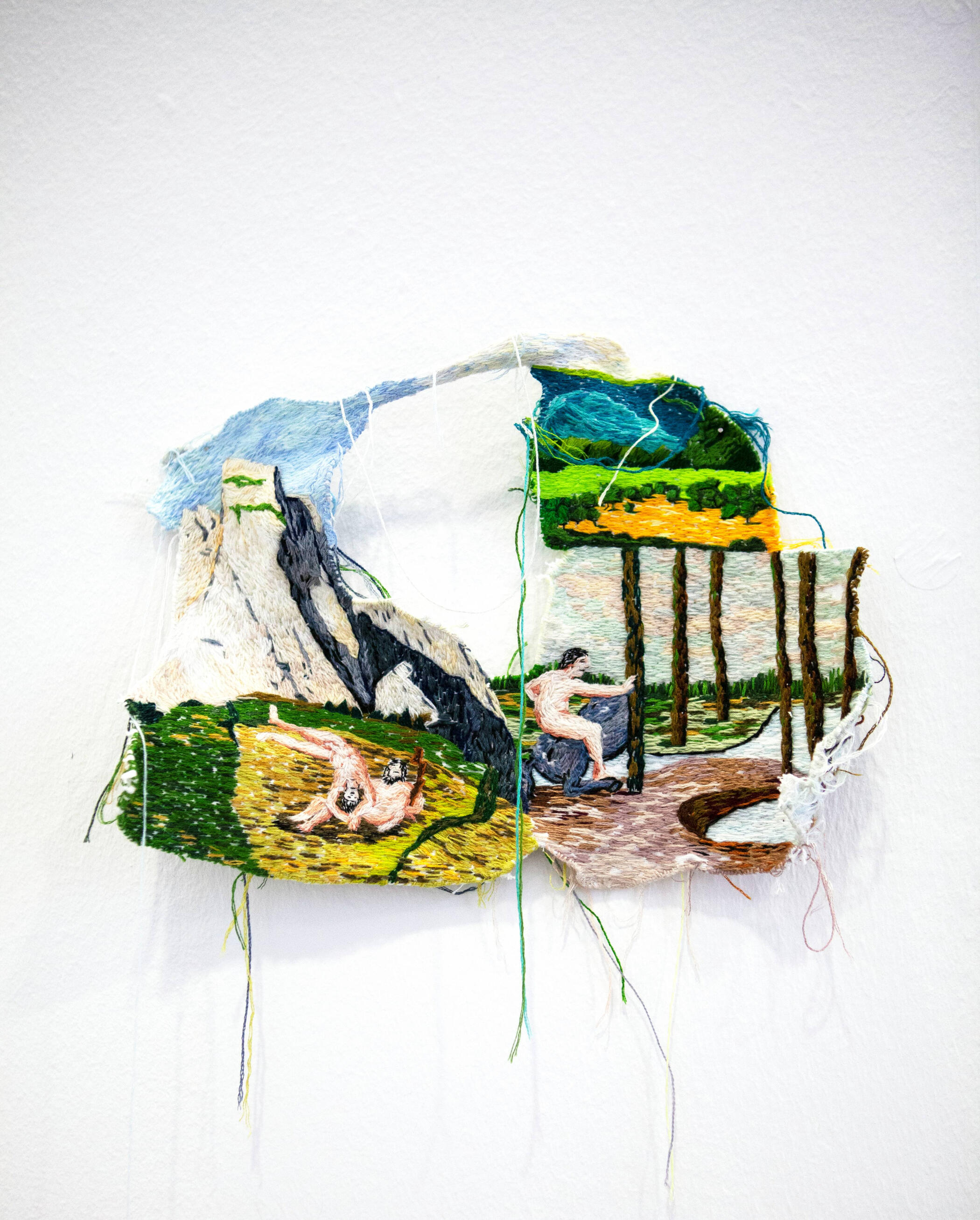
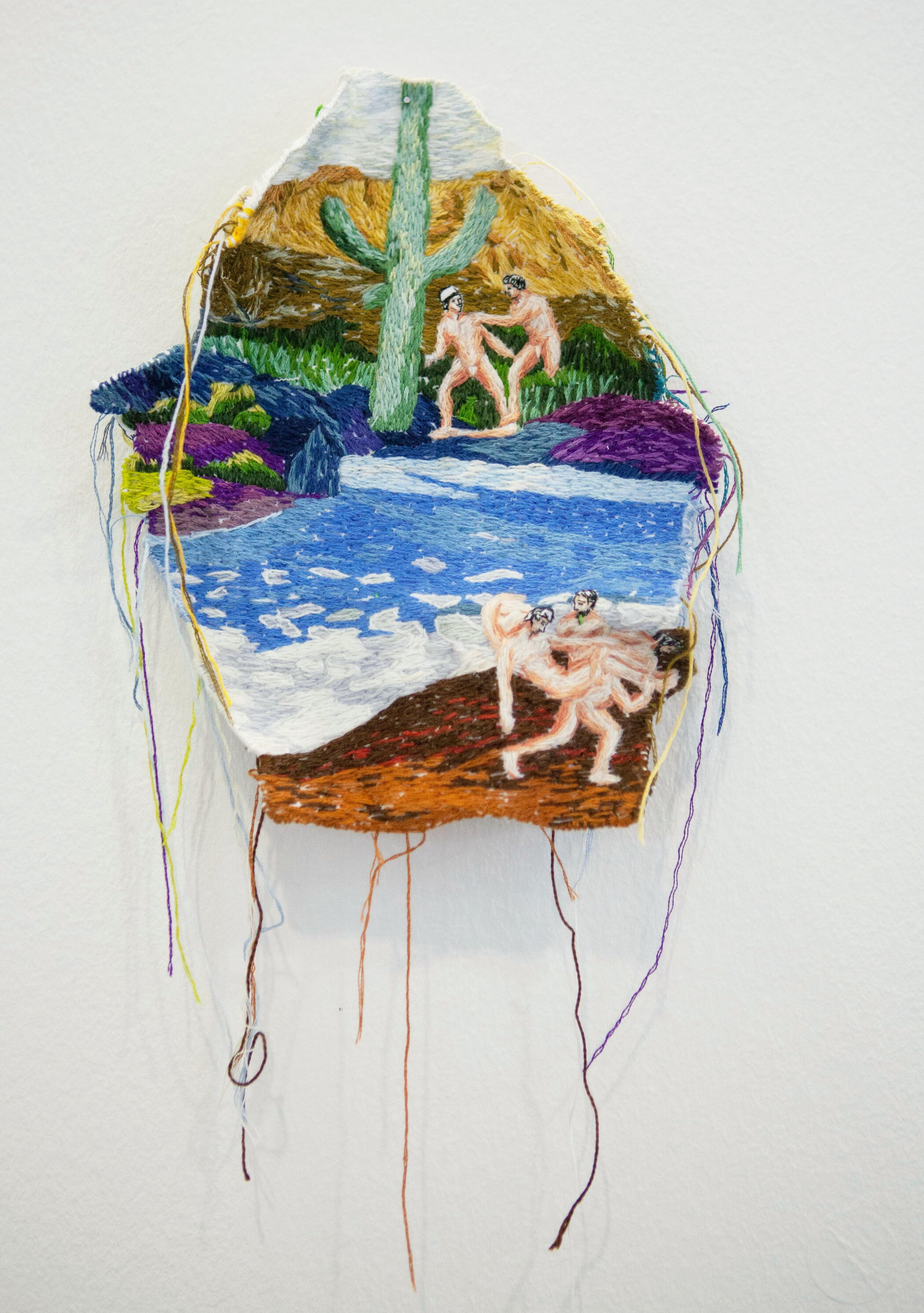
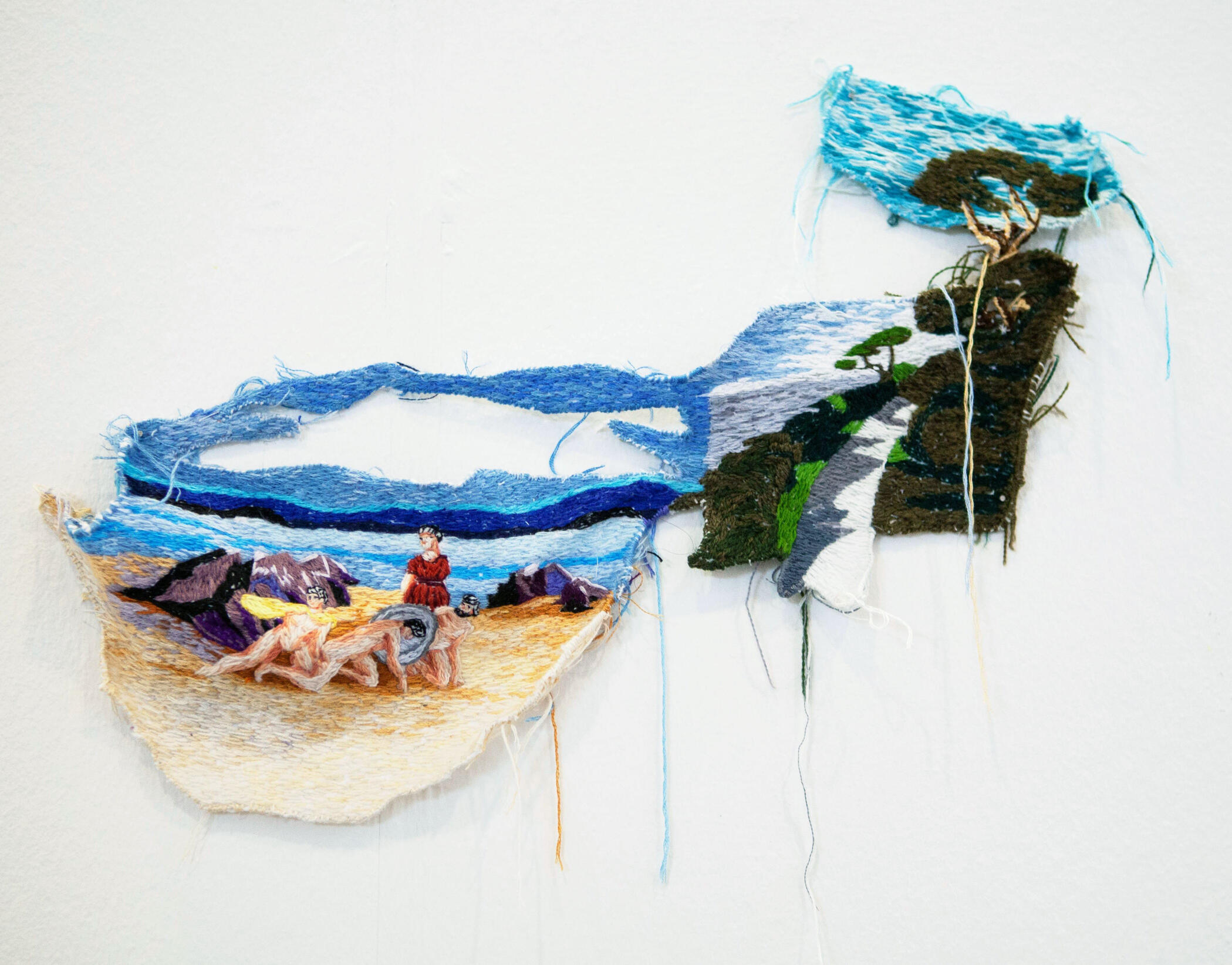
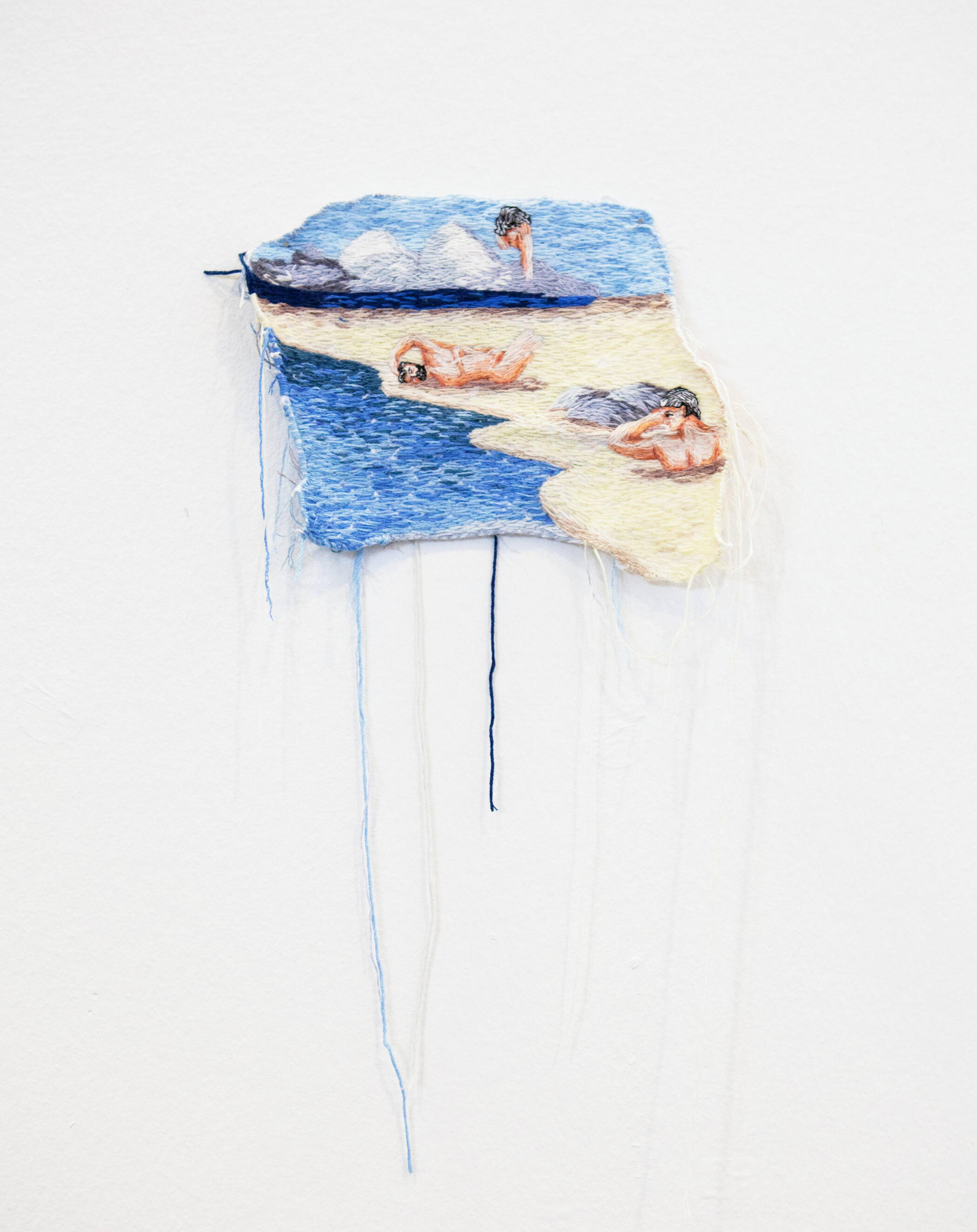
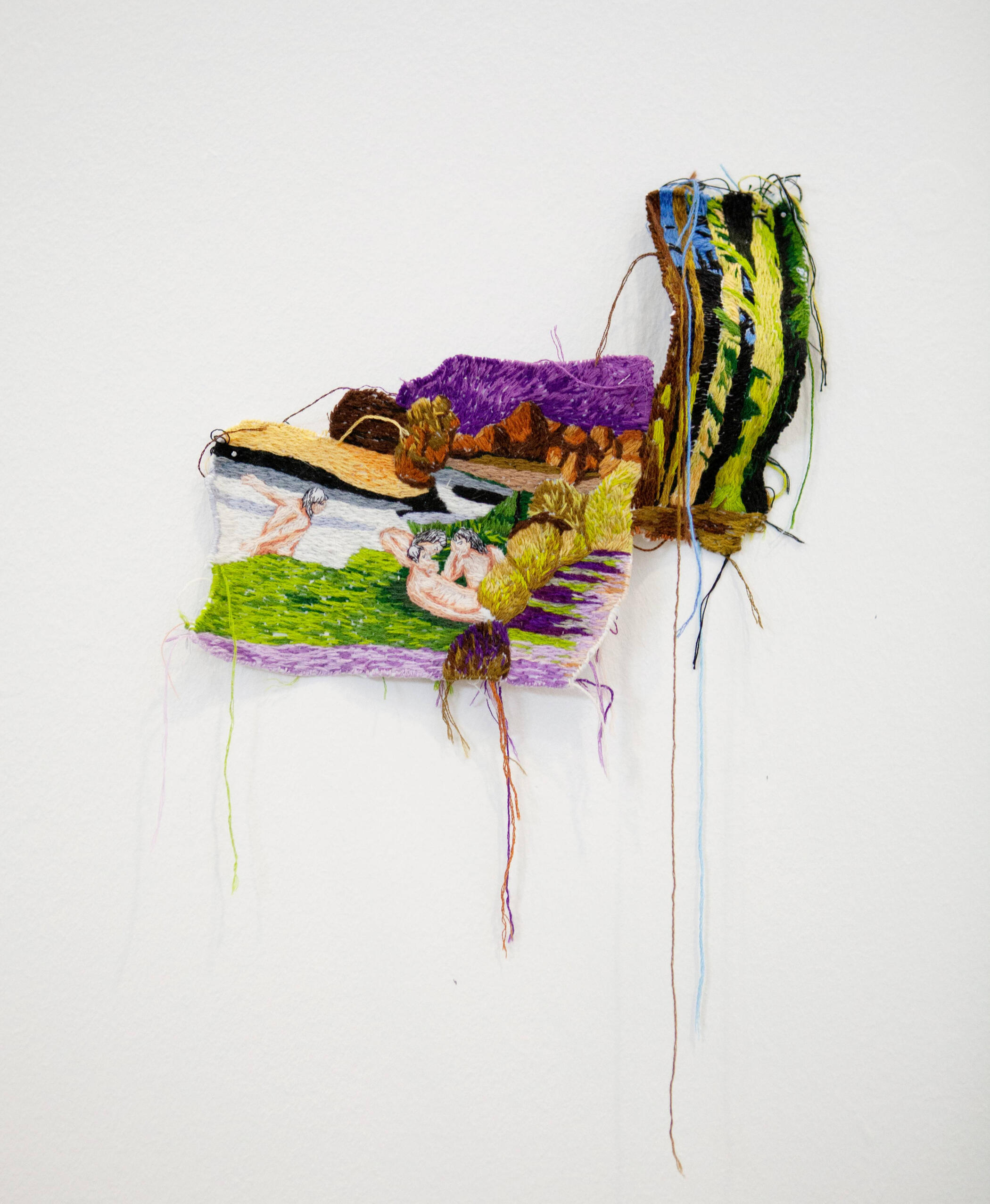
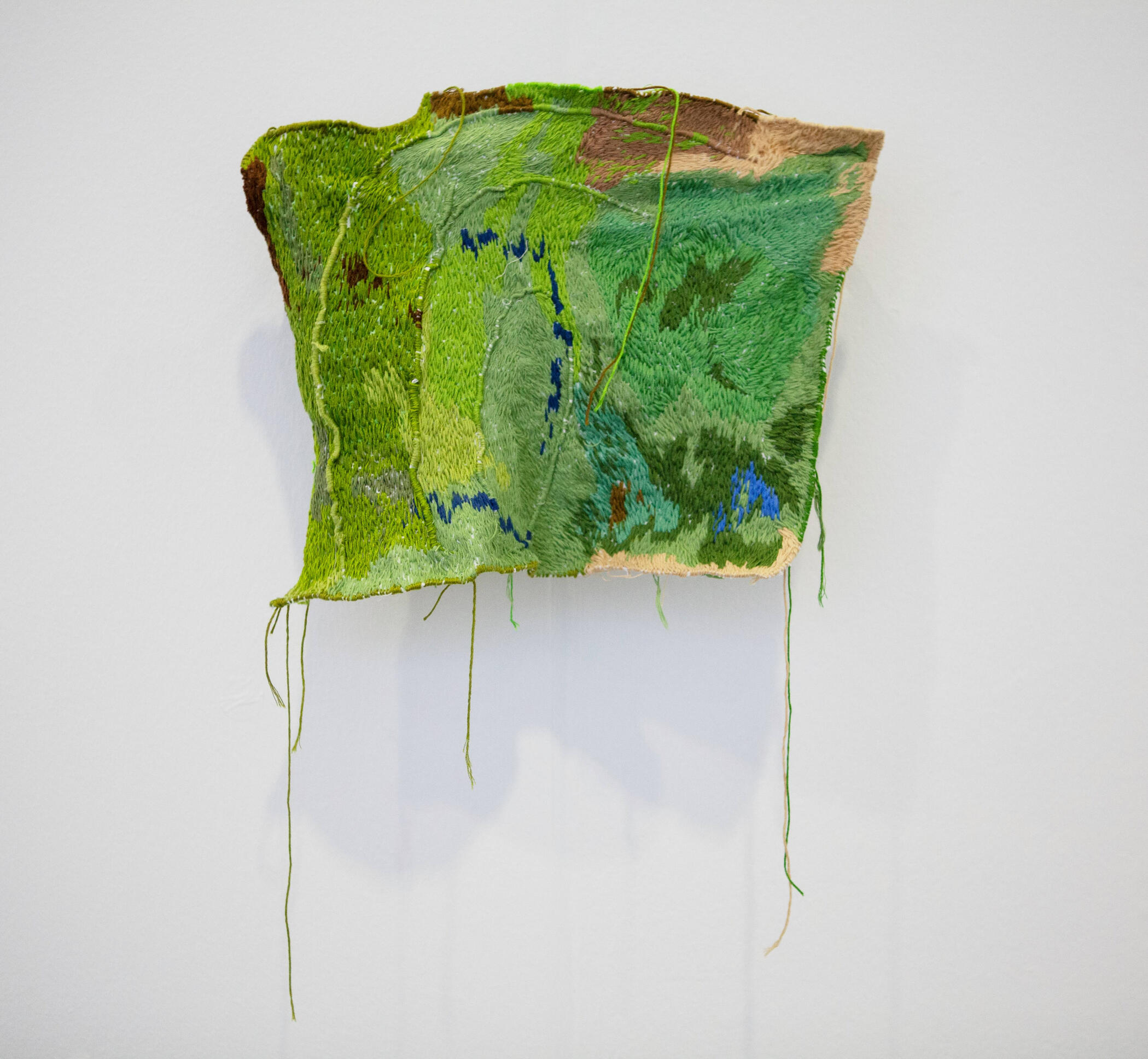
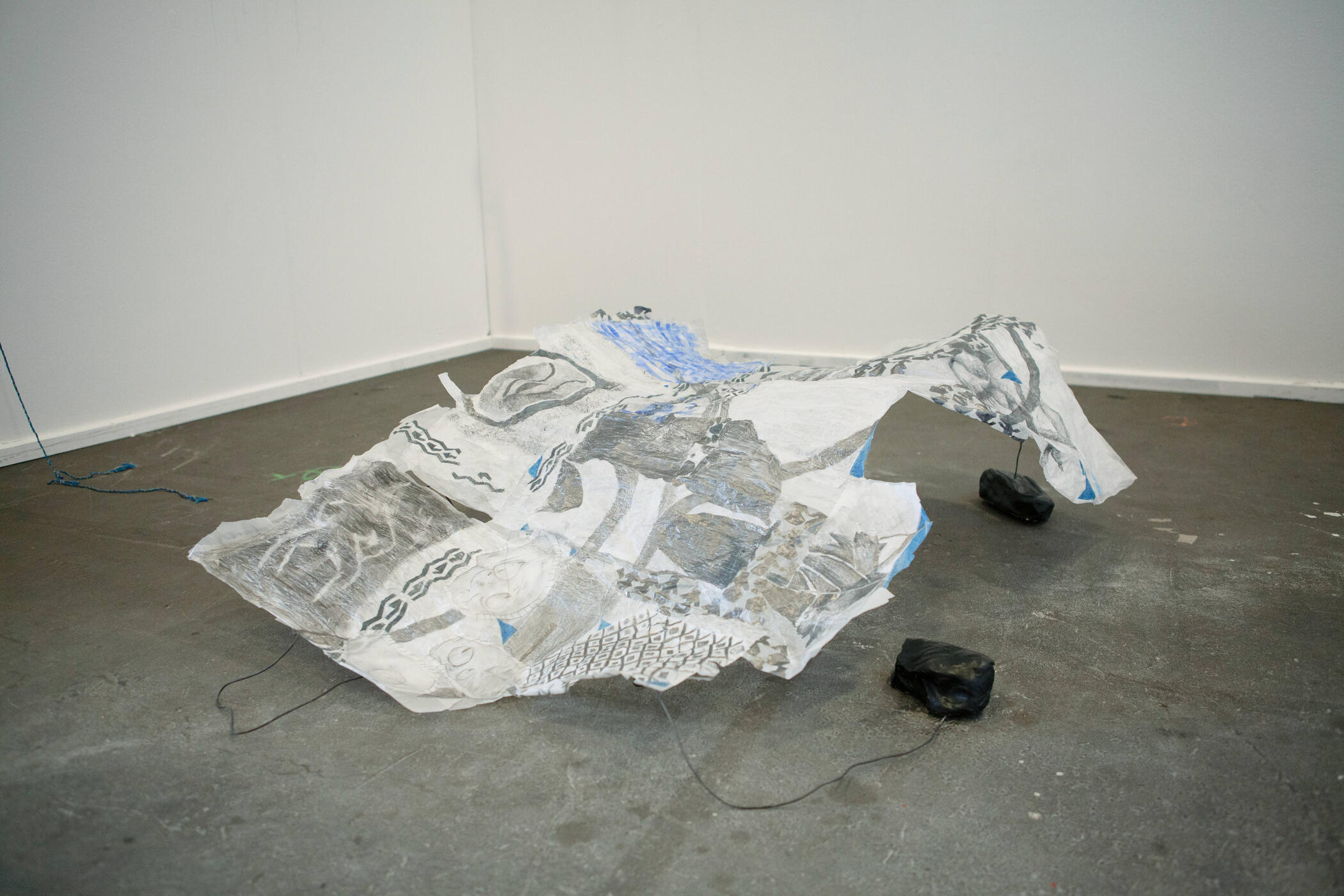
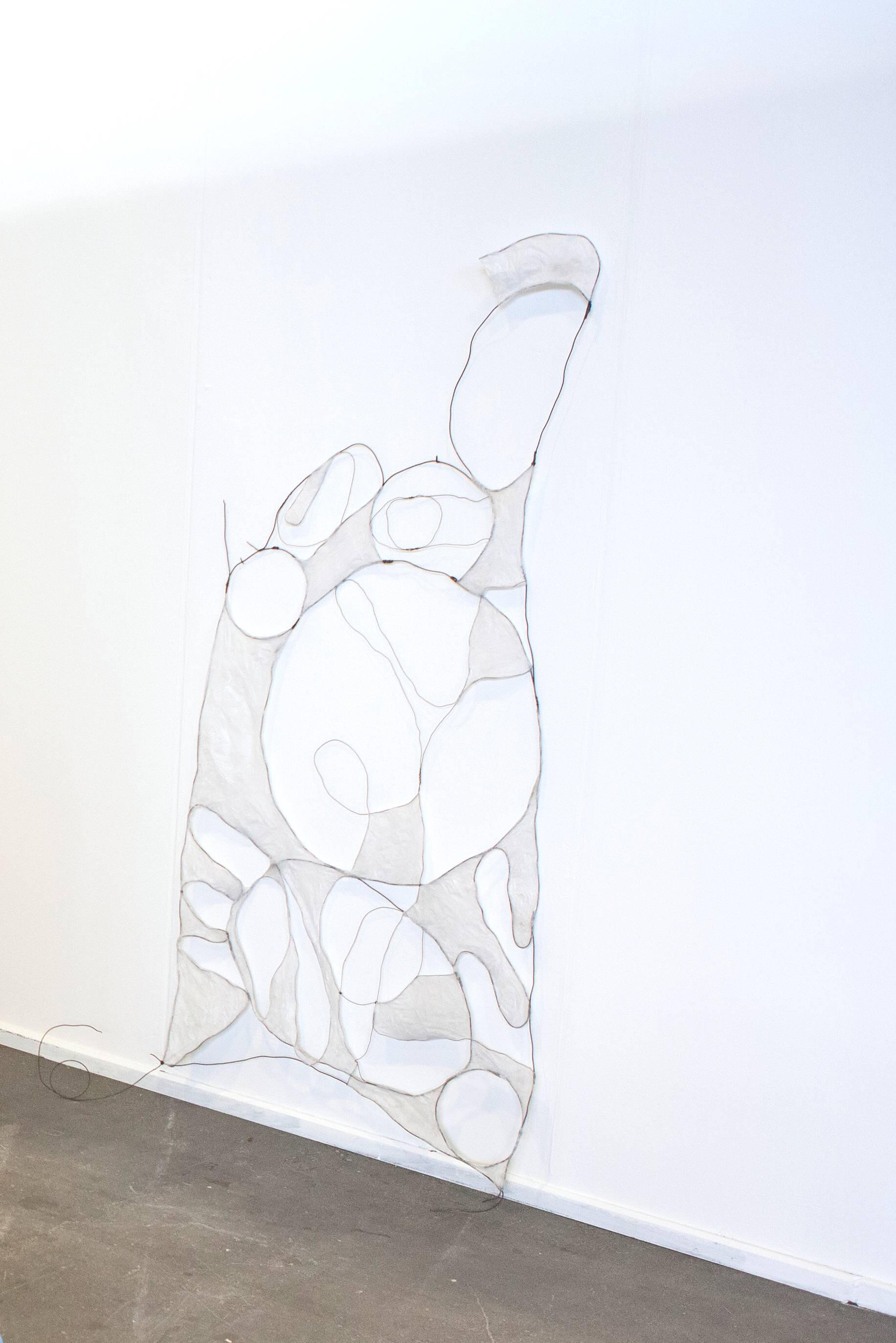
BAUBO2022InstallationEmbroidery on linen, drawing on paper, wire object.A story of female solidarity.Demeter’s daughter, Persephone abducted by Hades, god of the underworld. The furious Demeter forgets her responsibilities in the world above ground. As a result, grain didn’t grow and the land laid fallow.Baubo, an old lady, receives Demeter as her guest.She lifts up her dress and shows Demeter her private parts. The gesture makes Demeter laugh, and then the goddess eats and drinks.In the backround, some desperate male figures keep fighting.
Grosse Regionale 2021
Alte Fabrik Rapperswil
28.11.2021-06.02.2022
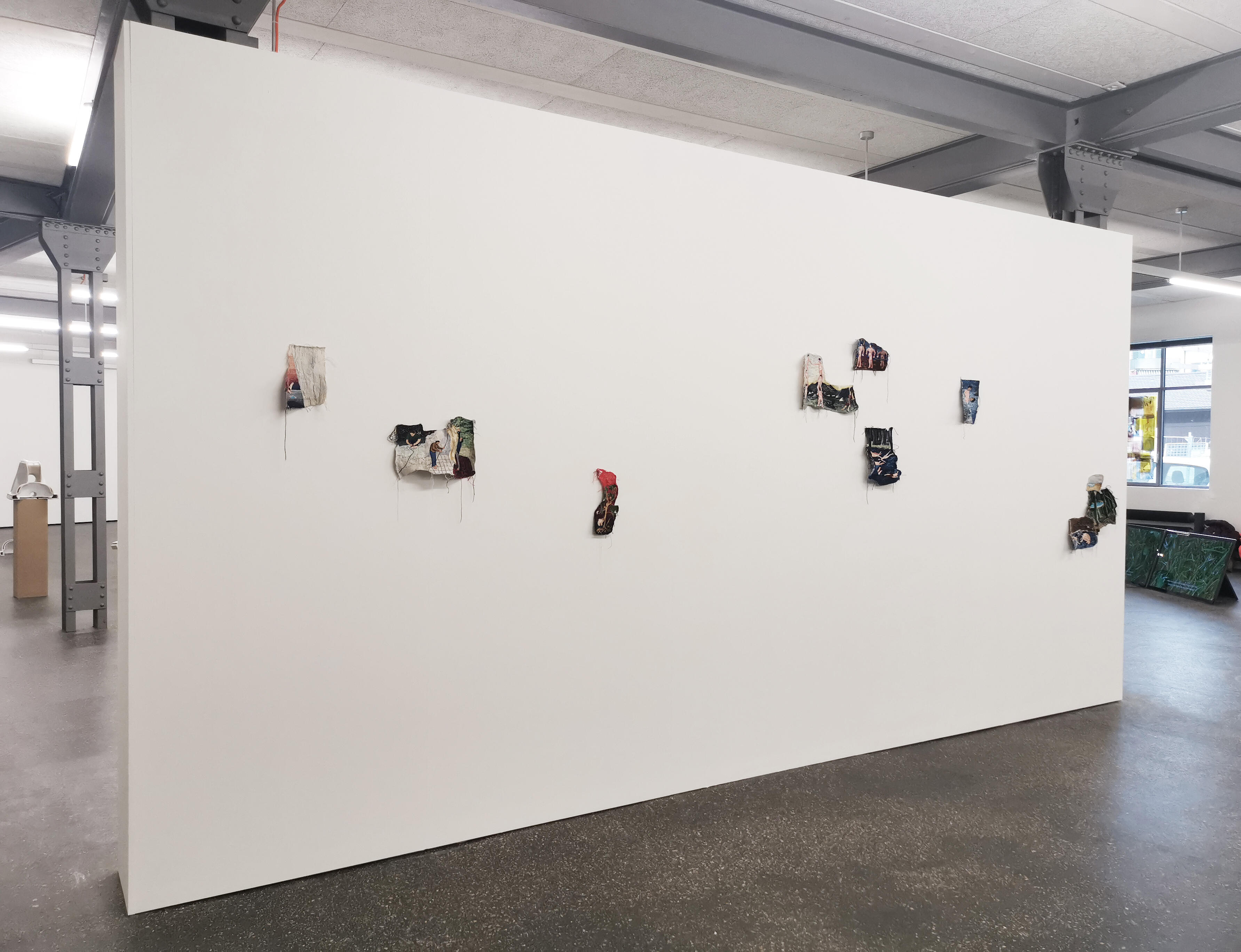
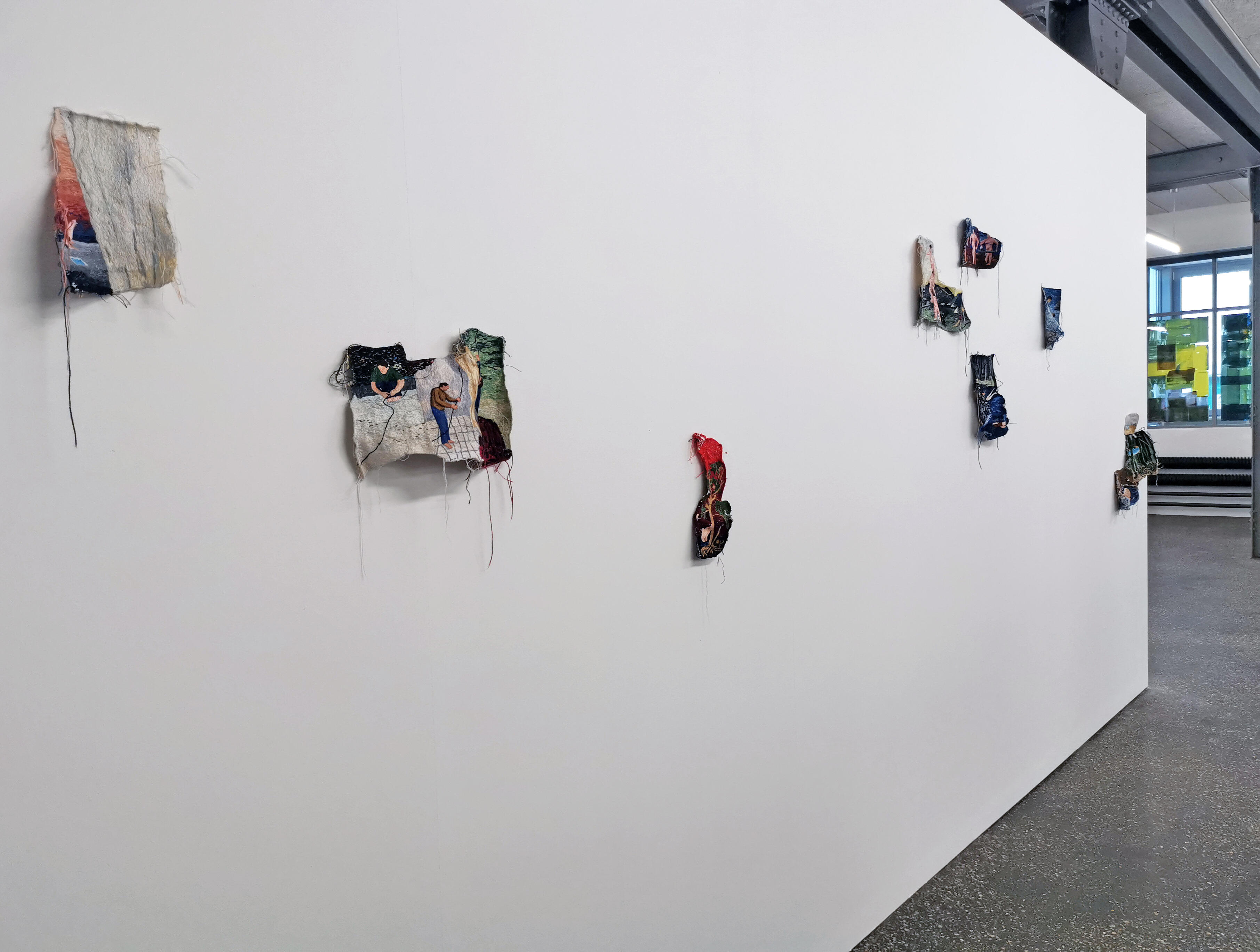
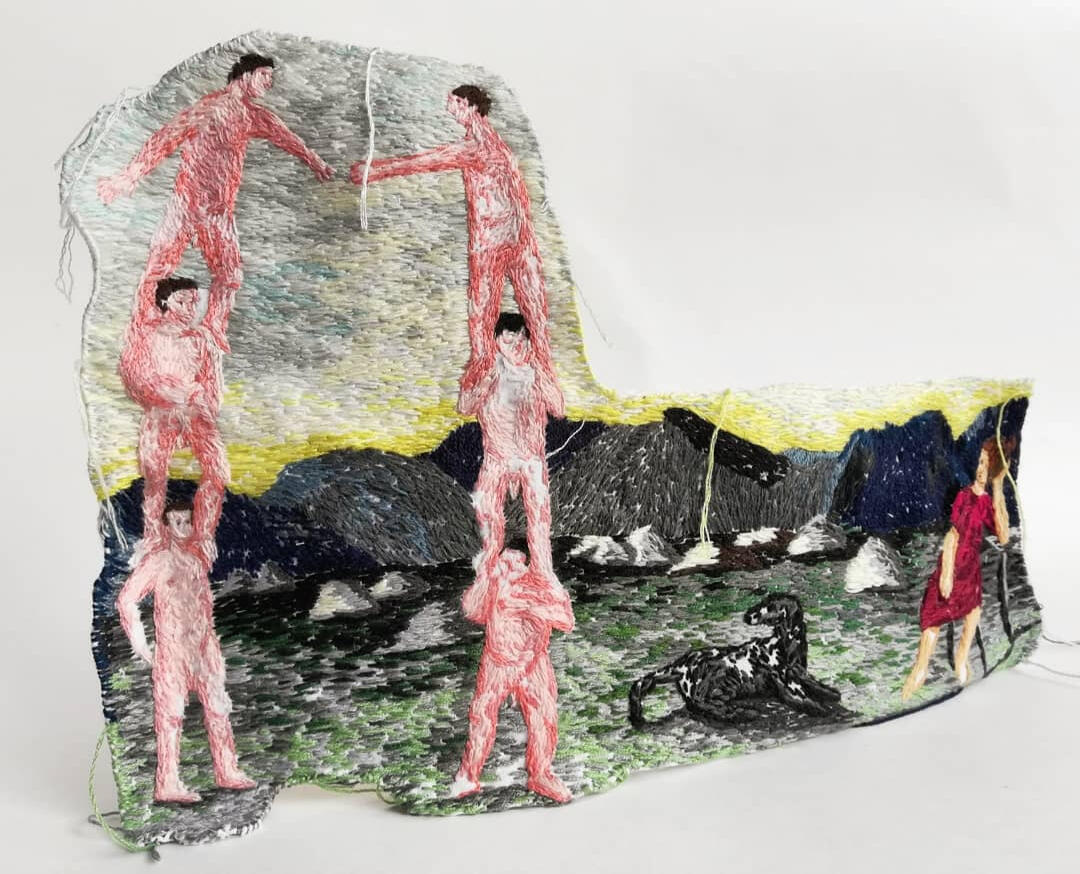
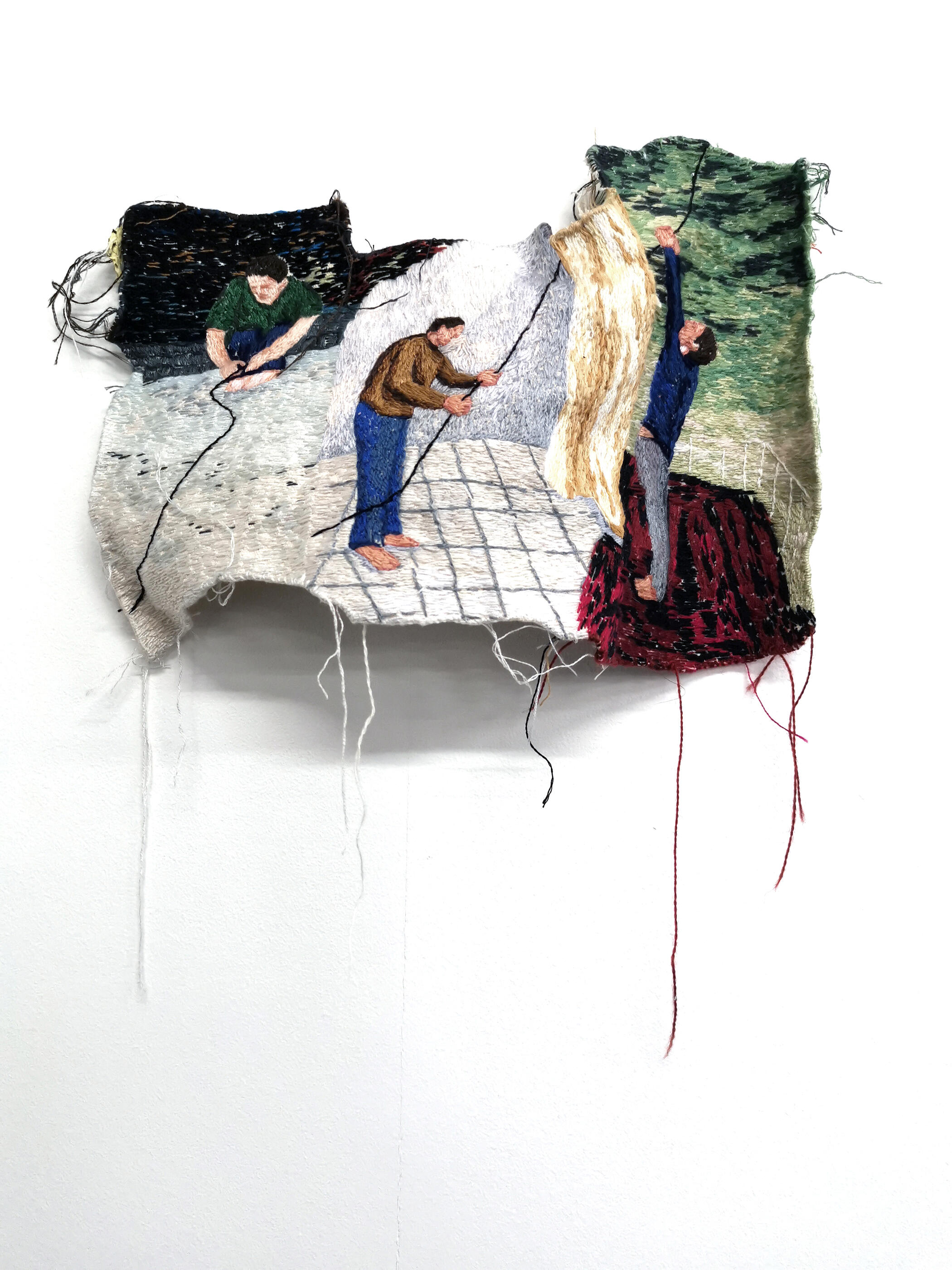
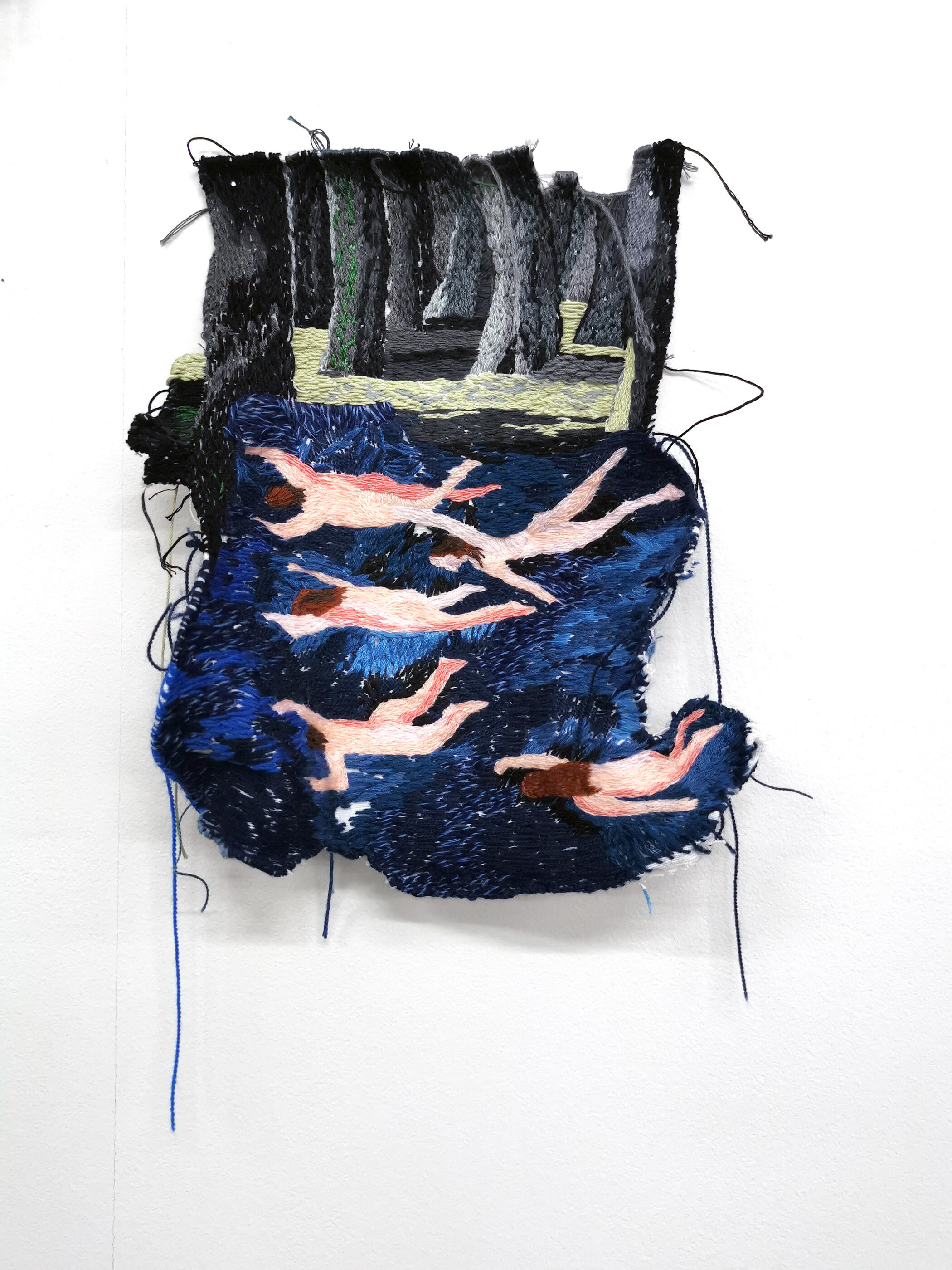
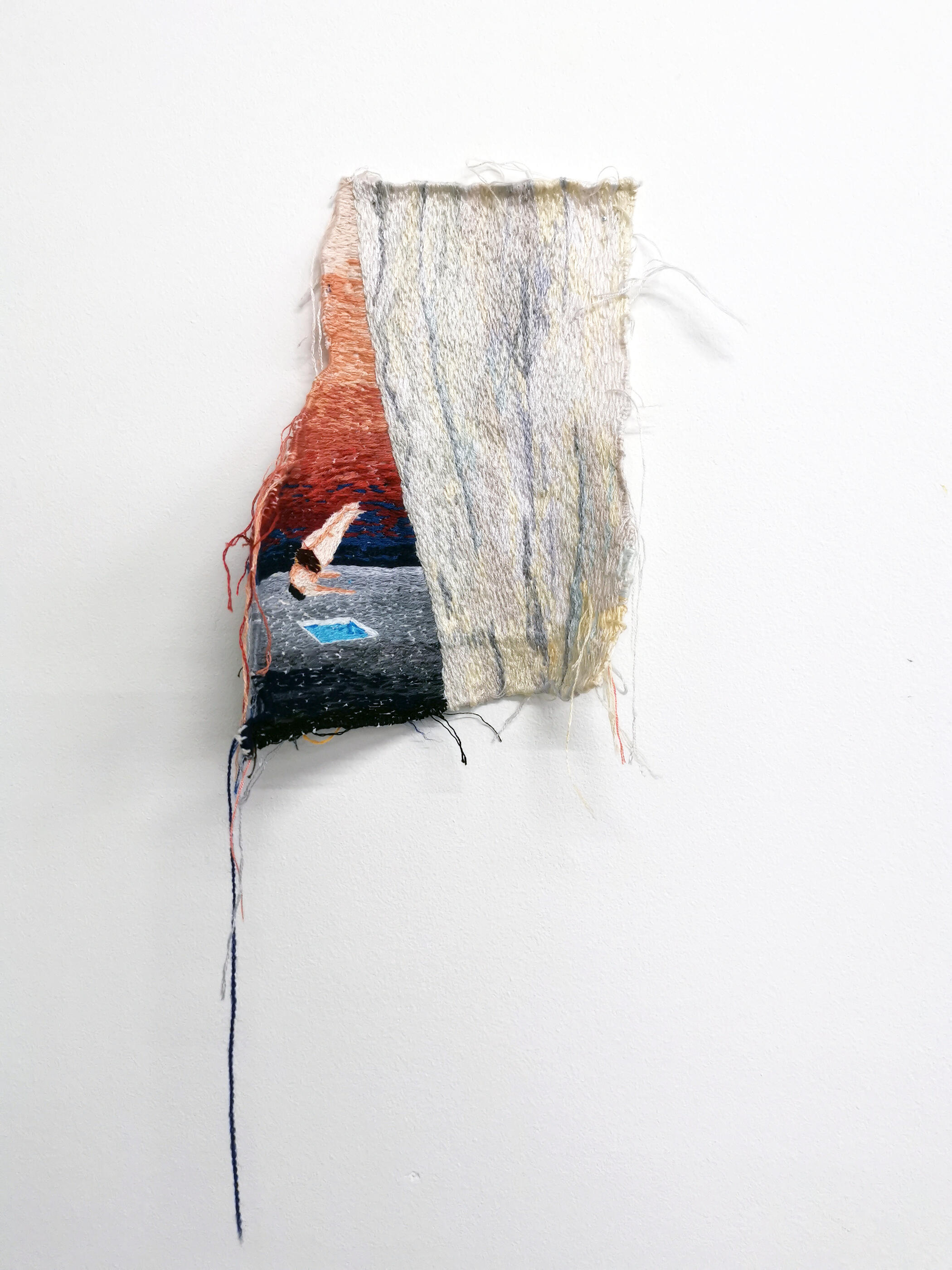
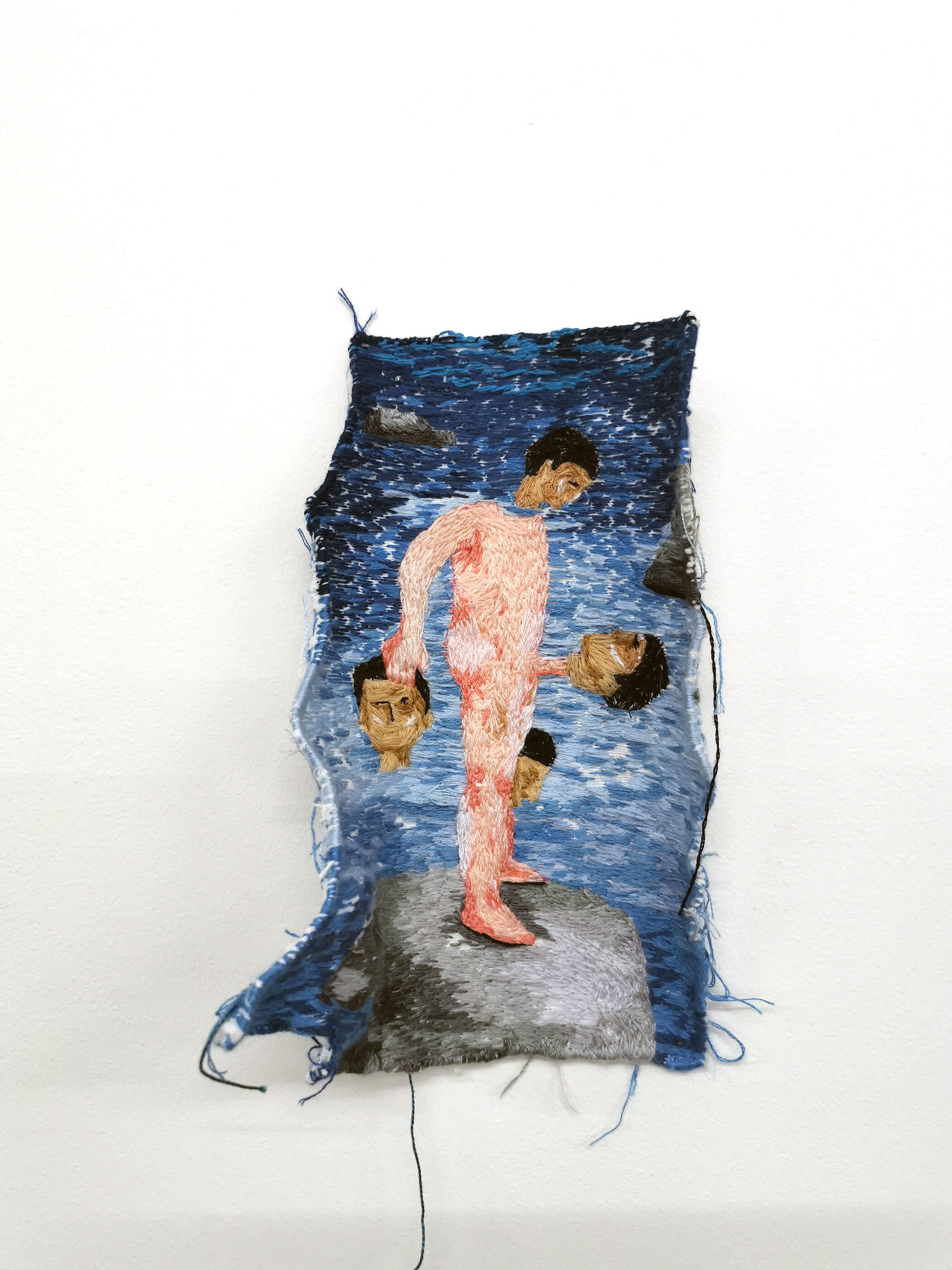
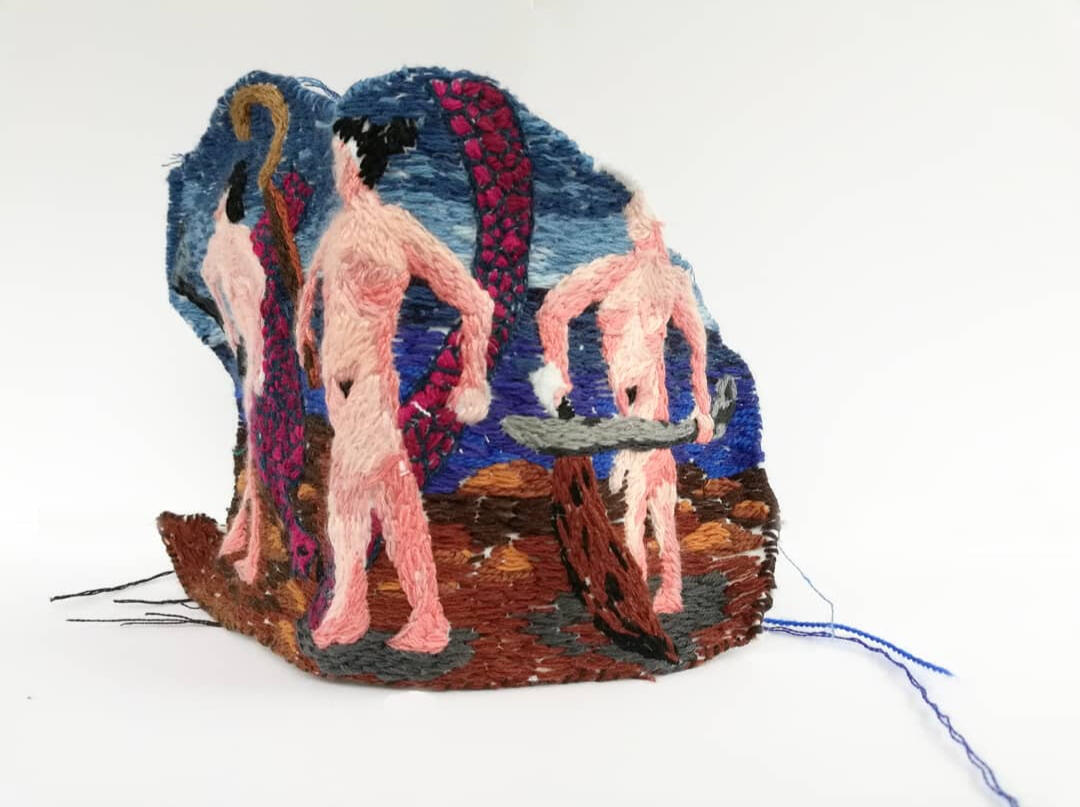
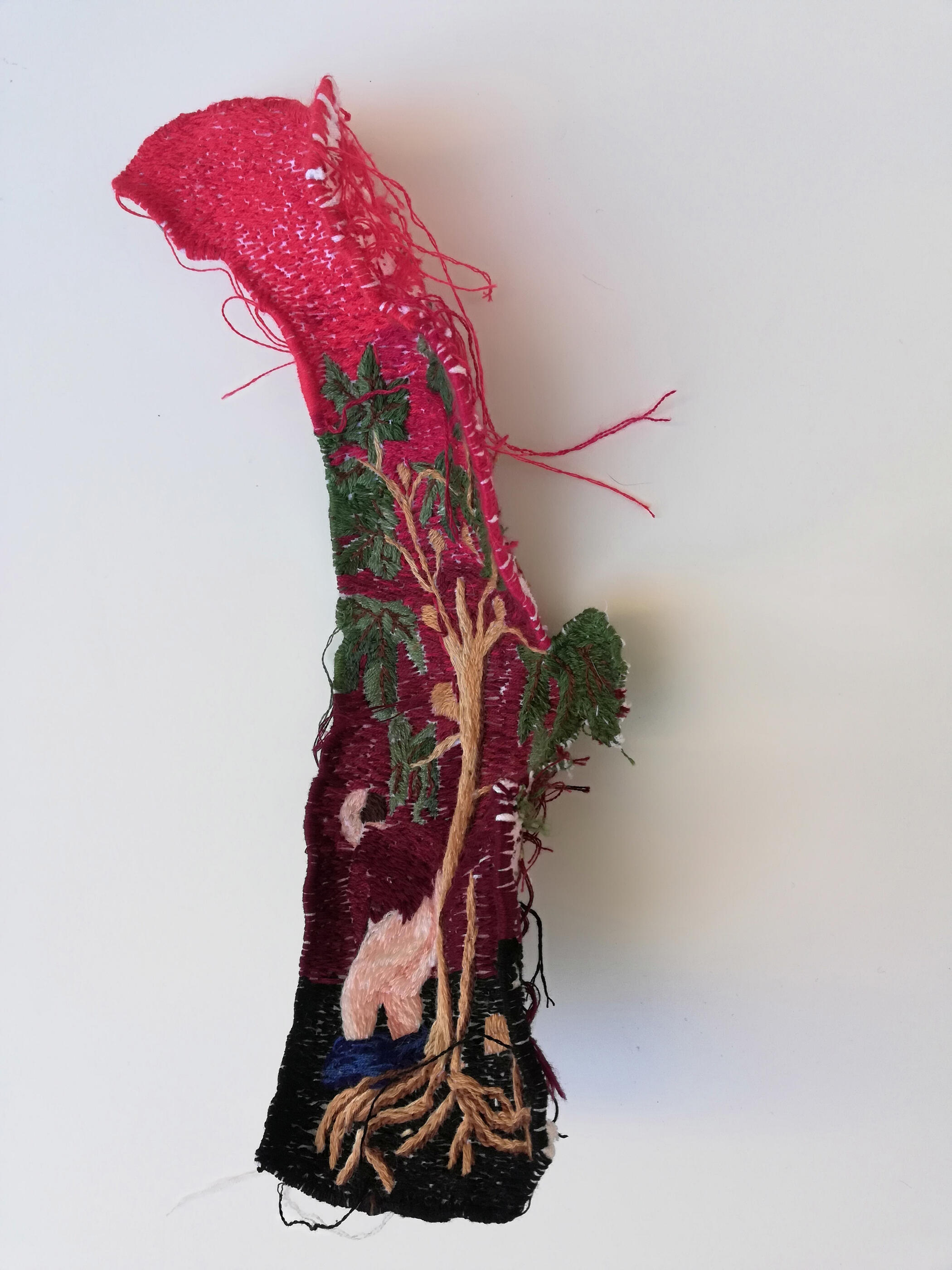
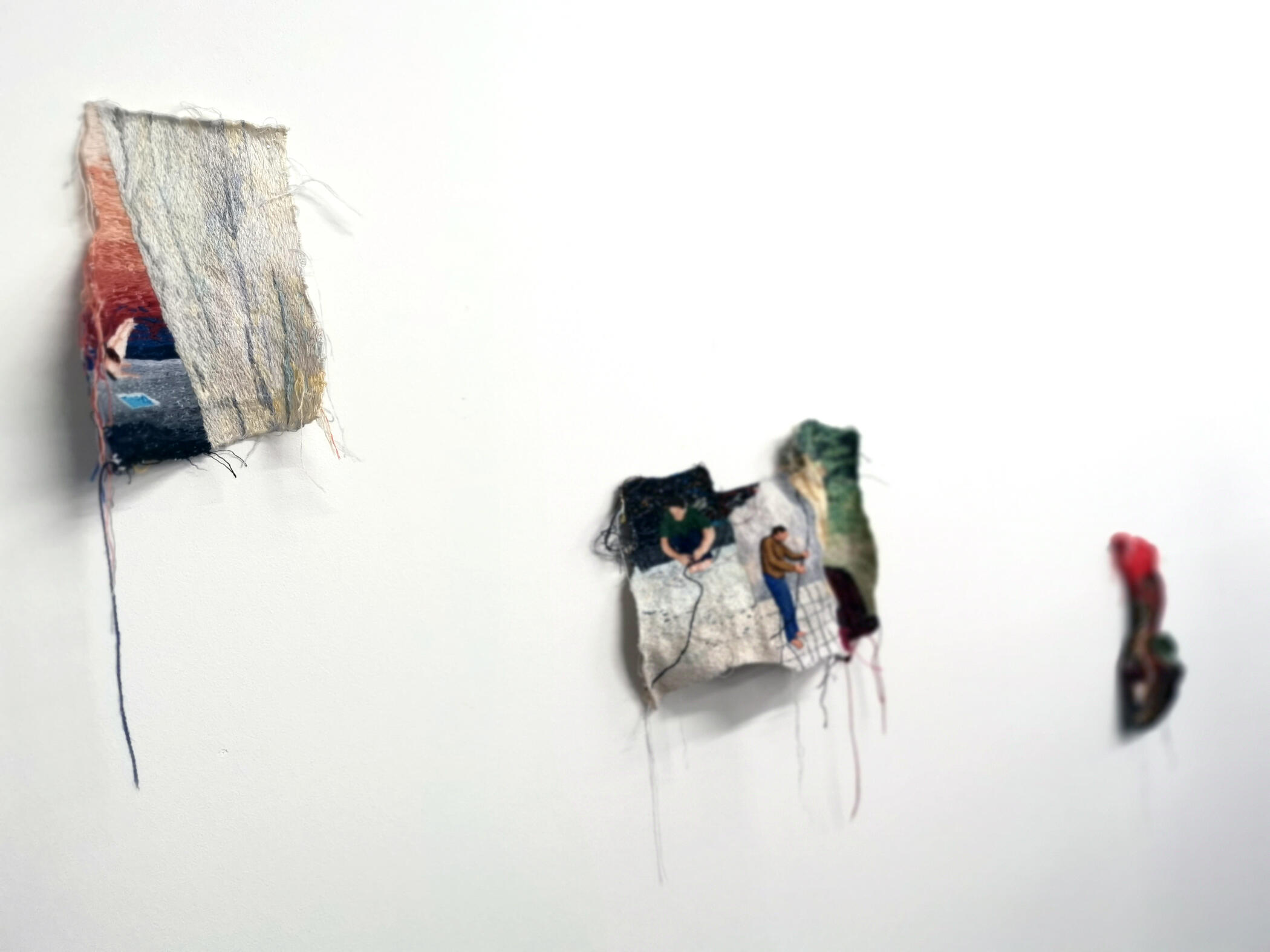
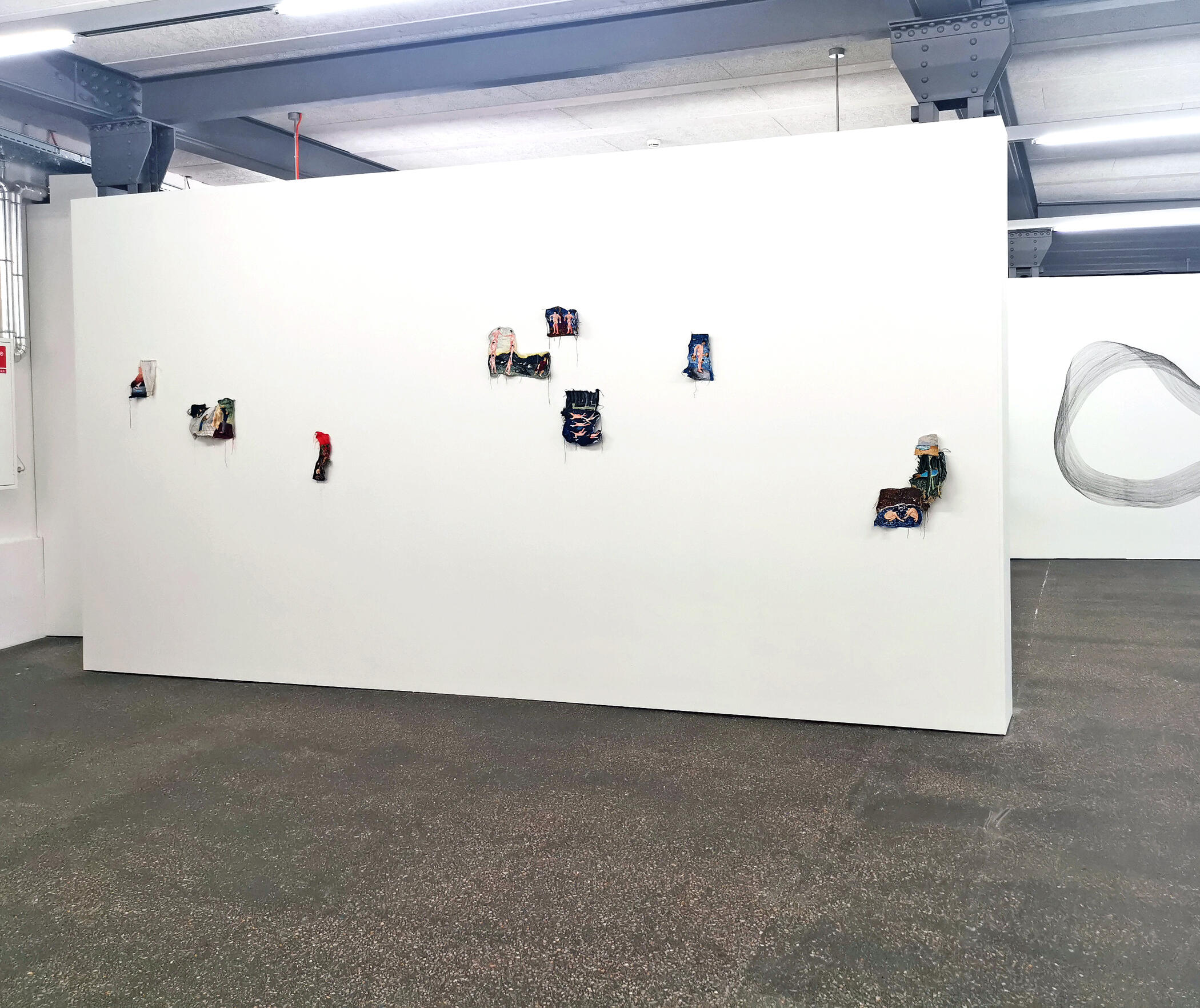
KUZBUEmbroidery on linen, wire, 8 pieces, each variable dimensions.Seda Hepsev kombiniert in ihrem Werk herkömmliches Handwerk und aktuelle feministische Themen. Gezielt verwendet sie das Medium der Stickerei traditionell betrachtet eine der Frauendomänen schlechthin, um Räume, Psyche und Subjektivität von Frauen zu erforschen. Die Stickarbeit ist für die Künstlerin insofern interessant, als sie besonders in jenen Kulturen, die den Frauen wenige oder nahezu gar keine Freiheiten gewähren, einen wichtigen sozialen Aspekt erfüllt, nämlich den des Zusammenkommens und Austauschs der Frauen untereinander. In der neuen Werkserie Kuzbu (2021) setzt sich Hepsev mit typischen Darstellungsmustern des weiblichen Körpers auseinander. Das türkische Wort des Werktitels bedeutet so viel wie verführerische Anziehungskraft und drückt jenes von der traditionellen Ikonografie propagierte Weiblichkeitsideal aus, das die Künstlerin kritisiert. Insbesondere untersucht Hepsev die Bedeutung und den unterschiedlichen Einsatz von Nacktheit in Abbildungen von Frauen und Männern. Sie stellt sich konkret die Frage, inwiefern es möglich ist, mittels visueller Darstellungen Geschlechterrollen zu hinterfragen und zur Konstruktion neuer Erzählungen beizutragen.Irene Grillo
Mediality & Materiality IIISeda Hepsev / Jana RippmannFörderverein Aktuelle Kunst, Münster.Curated by Pınar Asan, Micael Gonçales Ribeiro, Kristina Weimann
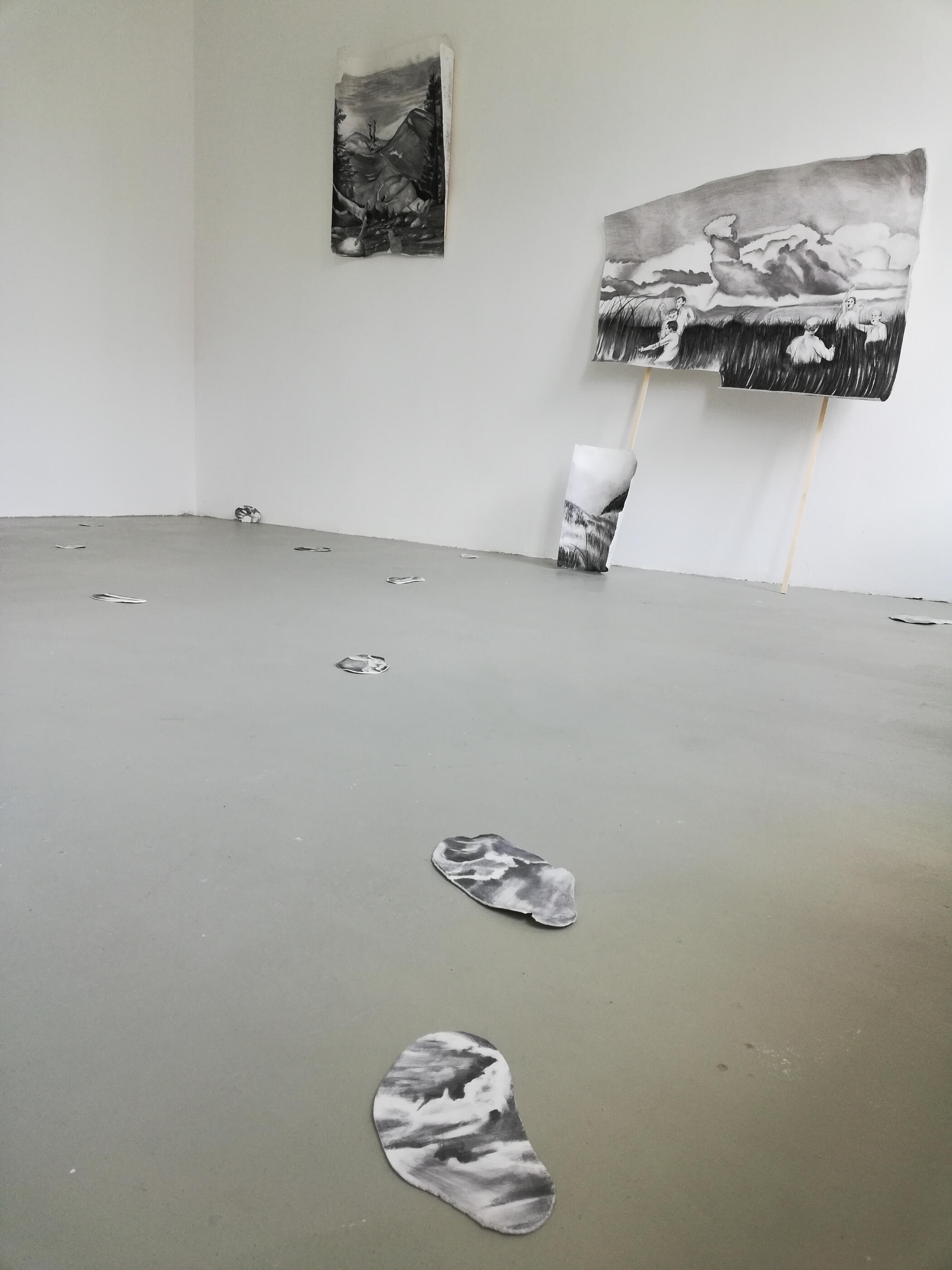
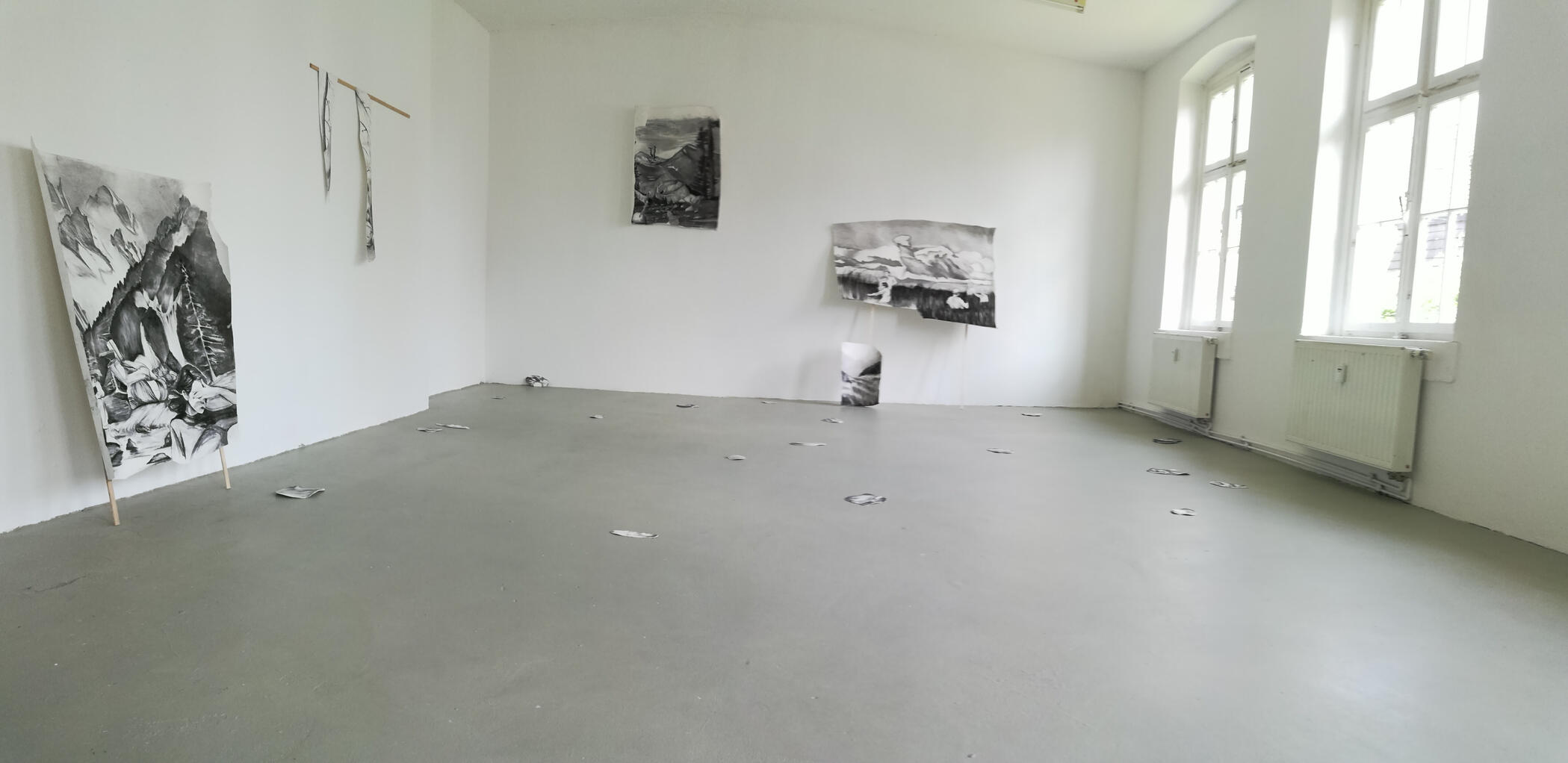
Grounded
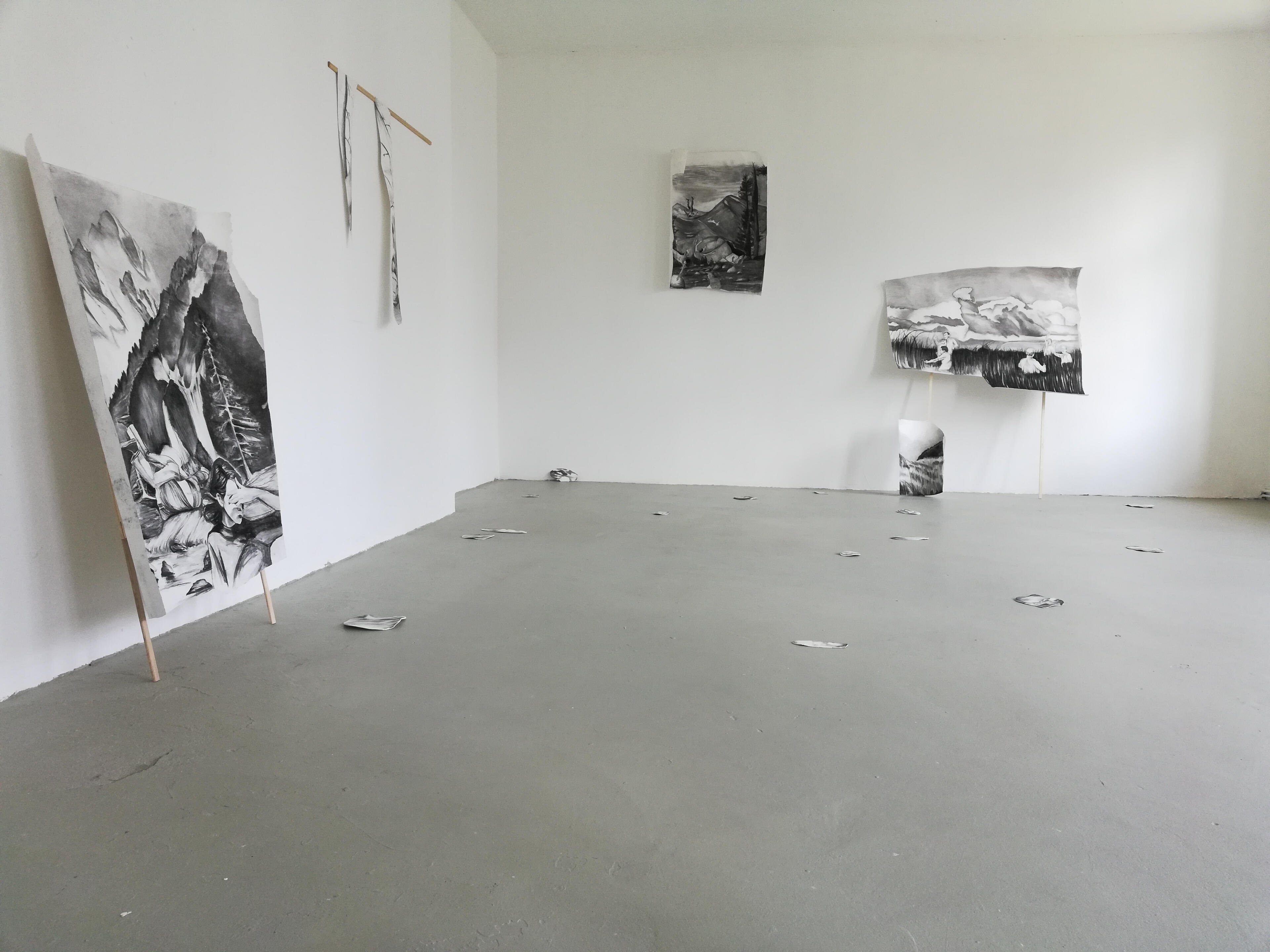
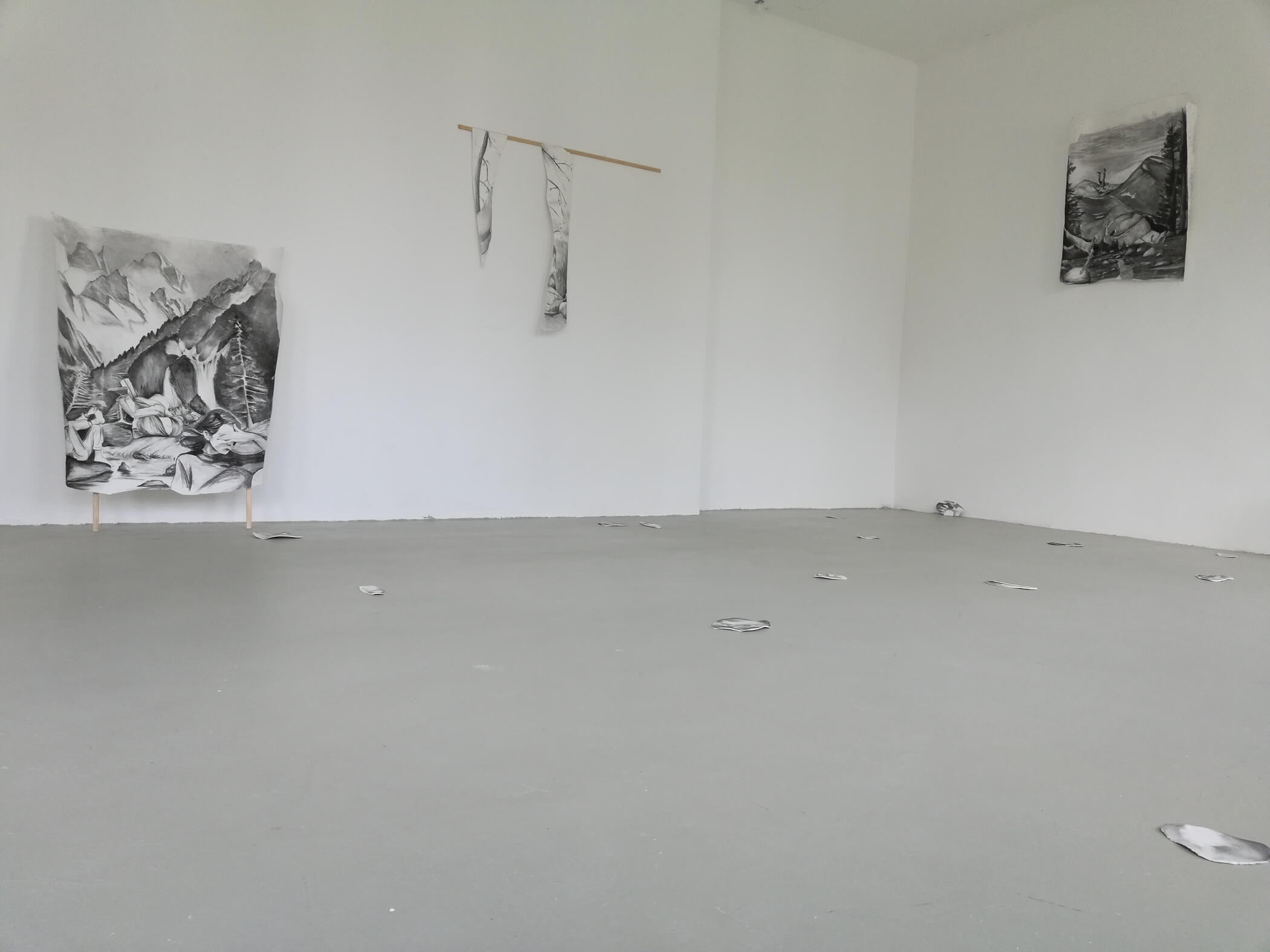
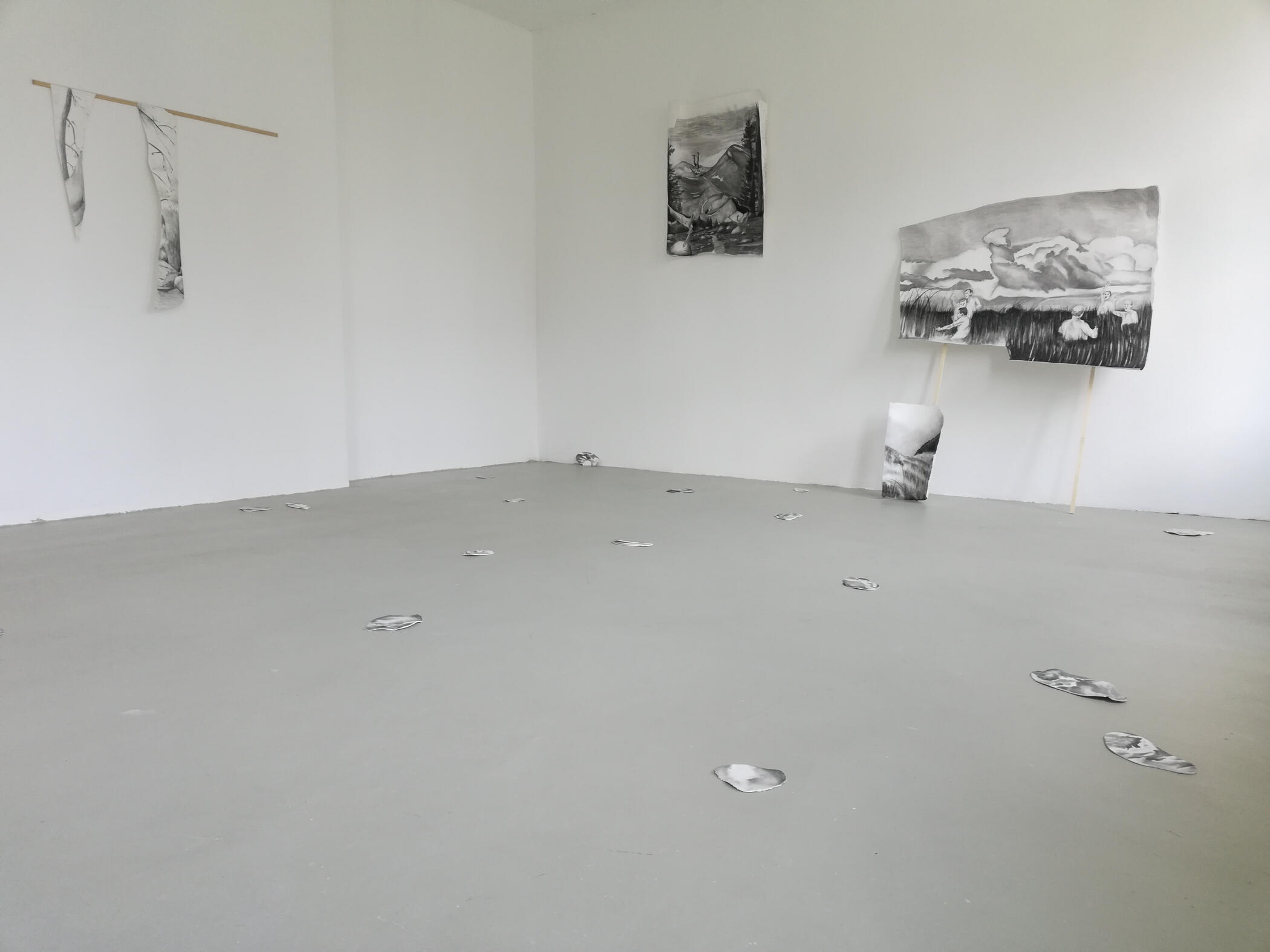
Drawing on paper and clay, wood constructions, variable dimensions, 2021.
Seda Hepsev (born in Istanbul, lives and works in Zurich) studied Painting at Marmara University (BA, 2000) and completed an MAS (2004) and a practice-based PhD in Art (2013) at Yıldız University, Istanbul.Hepsev approaches the body as a political terrain, exploring forms of existence beyond taboos and gender norms. Using donated textiles that she cuts into strips and reweaves, she creates hybrid bodily forms that question fixed boundaries and classifications. Allegories, mythologies, and contemporary signs merge with body fragments and animal forms in fragile, open-ended compositions that also make room for humor and absurdity.Hepsev received the Canton of Zurich Art Grant (2024), a production grant from Pro Helvetia (2023), and grants from the City of Zurich and the SAHA Foundation (2022). She was nominated for the Swiss Art Awards (2022) and for a Kunst und Bau competition organized by the City of Zurich (2024)
CVEDUCATION2013 — PhD in Art and Design, Yıldız Technical University, Istanbul2004 — MAS in Art and Design, Yıldız Technical University, Istanbul2000 — BA in Fine Arts, Marmara University, IstanbulGRANTS, AWARDS AND RESIDENCIES2024
Art Grant, Canton of Zurich2023
Production Grant with Presentation, Pro Helvetia
Grant, SAHA Association2022
Art Grant, City of Zurich
Swiss Art Awards, nominated
Residency “Souvenir”, Ticino2021
Covid-19 Working Grant, City of Zurich2013
Residency, Kunsthaus Aussersihl, Rotationatelier og9, Zurich2011
Cité Internationale des Arts, Paris, IKSV2008
Fiskars Artist in Residence, Finland2007
Residency, Pro Helvetia / Christoph Merian Stiftung IAAB, BaselCOLLECTIONSKunstsammlung der Stadt Zürich
Elgiz Museum, Istanbul
Ömer Koç CollectionSELECTED PUBLICATIONS2024 — Werkbeiträge Bildende Kunst, Kanton Zürich / Kunstbulletin2022 — Mediality & Materiality, Förderverein Aktuelle Kunst Münster2017 — Zine to March, Corner College PressSELECTED EXHIBITIONS2026
Unjurierte Werkschau, Selnau, Zurich
Grosse Regionale, Kunst(Zeug)Haus, Rapperswil
Magical Escape, xist, Istanbul2025
Fragile Archives, Affective Ties, Fomo Art Space, Zurich
dance-repeat-dance-repeat-dance, Hardturm, Zurich
Volumes Art Publishing Days, Gessnerallee, Zurich (Workshop)2024
Venus von Muri, Eine Spurensuche, Museum Kloster Muri
Bone in My Throat, Waschhaus Thalwil, Zurich (Solo Exhibition)
Killjoy, Kabinett Visarte, Zurich (Solo Exhibition)2023
Rose Related, Quartz Studio, Turin (Solo Exhibition)
Criss Cross, Château Hornegg au Lac, Zurich2022
Arbeits- und Atelierstipendien, Helmhaus, Zurich
Swiss Art Awards, Messezentrum Basel2021
Grosse Regionale, Alte Fabrik, Rapperswil
Grounded, Medialität & Materialität III, Förderverein Aktuelle Kunst, Münster
What's Cooking?, Ausstellungsraum Klingental, Basel2020
Familien Modelle, Experiment, Recherche, Ausstellung, Shedhalle, Zurich2019
Living Room, Stadionbrache Hardturm, Zurich
Love in the Time of Social Media, Kunstraum Walcheturm, Zurich2018
Common Affairs, NAIRS – Zentrum für Gegenwartskunst, Scuol
Die Versammlung, Shedhalle, Zurich2017
The Gang, Kunst am Bau, Rote Fabrik, Zurich2015
Hands on Hips, Kunstkasten, Winterthur (Solo Exhibition)
Challenging Identities, Concordia, Enschede, Netherlands